
Agri-tourism calls for exemption from proposed levy
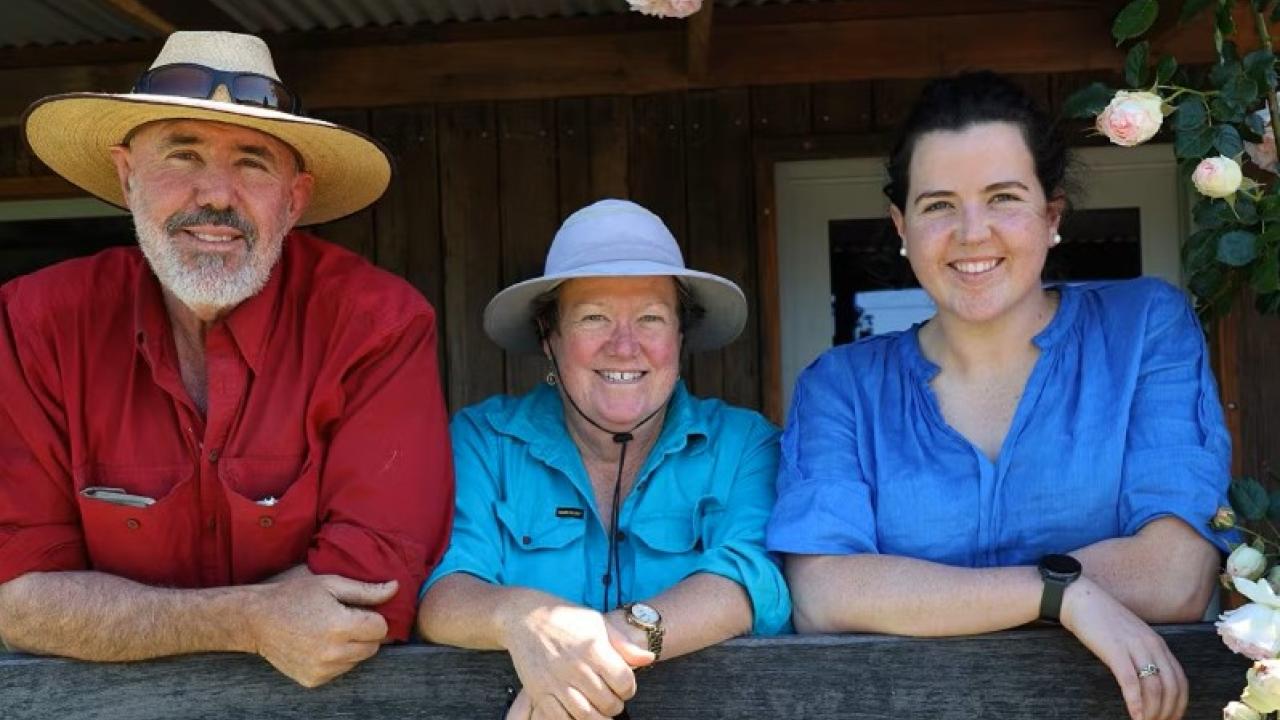
Tasmanian farmers who have developed agri-tourism businesses are today bracing for a decision by the Lower House on a proposed five percent short-stay levy.
A collective of farmers from around the state made submissions on the Short Stay Levy Bill due to be debated and voted on by The House of Assembly this week ahead of the Legislative Council next week.
Anna Williams, who converted old stables into visitor accommodation on the family’s beef property at Martha Vale Park, St Helens, said the levy is “deeply unfair”.
“We welcome people from all over the world to our farm, sharing our story of grass-fed beef, regenerative agriculture and the realities of farming in regional Tasmania through our accommodation and farm tours,” she said.
“Our accommodation is not legally allowed to be used for residential housing and it does not, and cannot get residential use approval, and I cannot legally lease it into the long-term rental market.
“In other words, it is not taking a house away from Tasmanians which is what the levy appears to be designed to combat.”
She said in its current form, the levy risks capturing small agritourism operators whose accommodation has never been part of the residential housing market.
Tim Parsons at Curringa Farm in the Derwent Valley and Jodie McQueen of Paradise Road Farm at Sheffield were among many other agri-tourism businesses which made public submissions.
“What is particularly frustrating is that the Government appears to be rewarding large-scale and multinational accommodation operators through exemptions, while targeting small Tasmanian farm businesses that are using tourism to diversify, support regional economies and showcase Tasmanian agriculture,” Ms Williams said.
“This is especially disappointing given agri-tourism has been actively encouraged by the State Government, yet this legislation appears to pull in the opposite direction.”
The farm stay operators are calling for an exclusion so that the much-needed additional income stream they make from accommodation is not further eroded, with Airbnb already taking 15.5 percent.
They say that on-farm and other non-residential visitor accommodation does not compete with the residential housing market and does not create the housing impacts the levy is intended to address.
“We want the Bill to be amended to explicitly exempt accommodation that is prohibited from residential use under the Tasmanian Planning Scheme, including on-farm visitor accommodation, or otherwise define short stay accommodation in a manner that excludes premises that cannot lawfully be used as residential dwellings,” Ms Williams said.
“This would improve alignment with Tasmania’s use-based planning framework, provide regulatory clarity, and ensure the levy is applied consistently with its stated policy intent.”



Add new comment