
Fuel woes continue as farmers look for immediate action
Deputy Premier Guy Barnett has called on Federal Labor to pull the fuel relief lever as diesel prices reach as high as $3.29 per litre and unleaded 291 per litre (March 24) in Tasmania.
Arthur River Cruises has halved their sailings, not because there’s no fuel at Smithton or Marrawah, but because the tourists have stopped travelling.
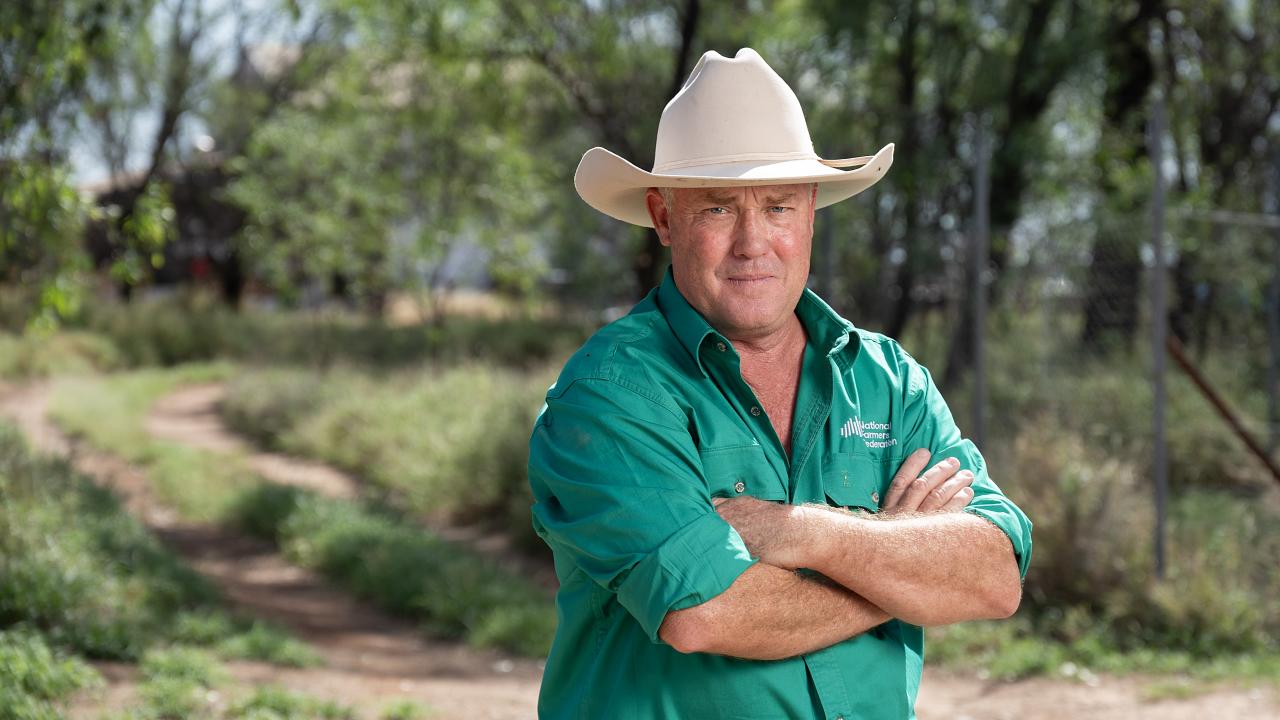
And the National Farmer’s Federation is demanding a clear, actionable ag-specific plan from Government to address the issues faced by farmers now and into the coming months ahead.
Freight businesses are starting to apply fuel levies which in turn are driving up prices on consumables.
This snapshot of the pain being felt across the board has not been eased by US president Donald Trump today announcing a five-day postponement of planned military strikes on Iranian power plants, citing "constructive" and "productive" discussions regarding a resolution to Middle East hostilities.
Following Trump's announcement, global oil prices plunged. Brent crude, which had recently hit $113 a barrel, dropped to approximately $96 a barrel before seeing a slight rebound.
Despite Trump's claims of progress, Iranian officials have denied any such talks took place, dismissing the statements as a tactic to lower energy prices.
In the meantime fuel costs keep rising and the State Government is conscious of the impact on the budgets of all Tasmanians while receiving a windfall in revenue from its share of fuel excise and GST distributions.
Despite the revenue increase, Mr Barnett has publicly called for ACCC investigations into price gouging to protect families and businesses as well as today calling on Labor to provide Tasmanians with cost-of-living relief by cutting the fuel excise.
For some that is not considered enough.
In parliamentary question time today Independent member for Clark Helen Burnet accused Premier Jeremy Rockliff of being “flat-footed” when it comes to dealing with the fuel crisis.
“Jeremy Rockliff today confirmed that his government is proposing no new initiatives to support Tasmanians struggling with soaring fuel costs to reduce their fuel usage — despite international guidance urging governments to boost public transport use as a key strategy to reduce fuel demand,” she said.
“The Premier offered no new measures, instead repeating existing talking points and indicating that the government is satisfied with the current situation — a situation in which Tasmania has the lowest uptake of public transport in the country, and the highest reliance on private motor vehicles and some of the highest fuel prices in the country. The Premier is refusing to show leadership and prefers to shift responsibility to the Commonwealth for this cost-of-living crisis.”
The National Farmers’ Federation has welcomed the Federal Government’s decision to commission a National Food Supply Chain Assessment as part of the National Food Security Strategy, but has reiterated its calls for an immediate plan of action for the sector.
Agriculture, Fisheries and Forestry minister Julie Collins has set a one-month deadline for an interim report and the end of the year for the final report.
While the assessment will initially focus on diesel supply chains, it will expand to other critical agricultural inputs, including crop protection products and fertilisers.
“This work is critical and, frankly, it can’t come soon enough given the pressures we’re seeing across the system. Andrew Henderson is a respected industry expert on these issues and we will work with him as he undertakes his review on behalf of AgriFutures,” NFF President Hamish McIntyre said.
“However, farmers cannot wait for this report alone. We are continuing to ask for a clear, actionable ag-specific plan from Government to address the issues faced by farmers now and into the coming months ahead.
“This plan needs to clearly outline specific government actions, regulatory responses and associated trigger points to provide confidence to the nation’s food producers.
“Fuel and fertiliser are fundamental to producing and moving Australia’s food and fibre. Without reliable and affordable access, farmers simply can’t plant, harvest or get food to markets.
“We’re continuing to hear reports from our members about tight supply, delays and rising costs, and we are feeding that information directly to Government to ensure real-time decision-making reflects what’s happening on the ground.
“That’s why we need immediate, practical action so farmers have the inputs and confidence to plant over the coming weeks and months.”




Add new comment