
Grown for taste and Hobbit Hort providing fresh vegetables
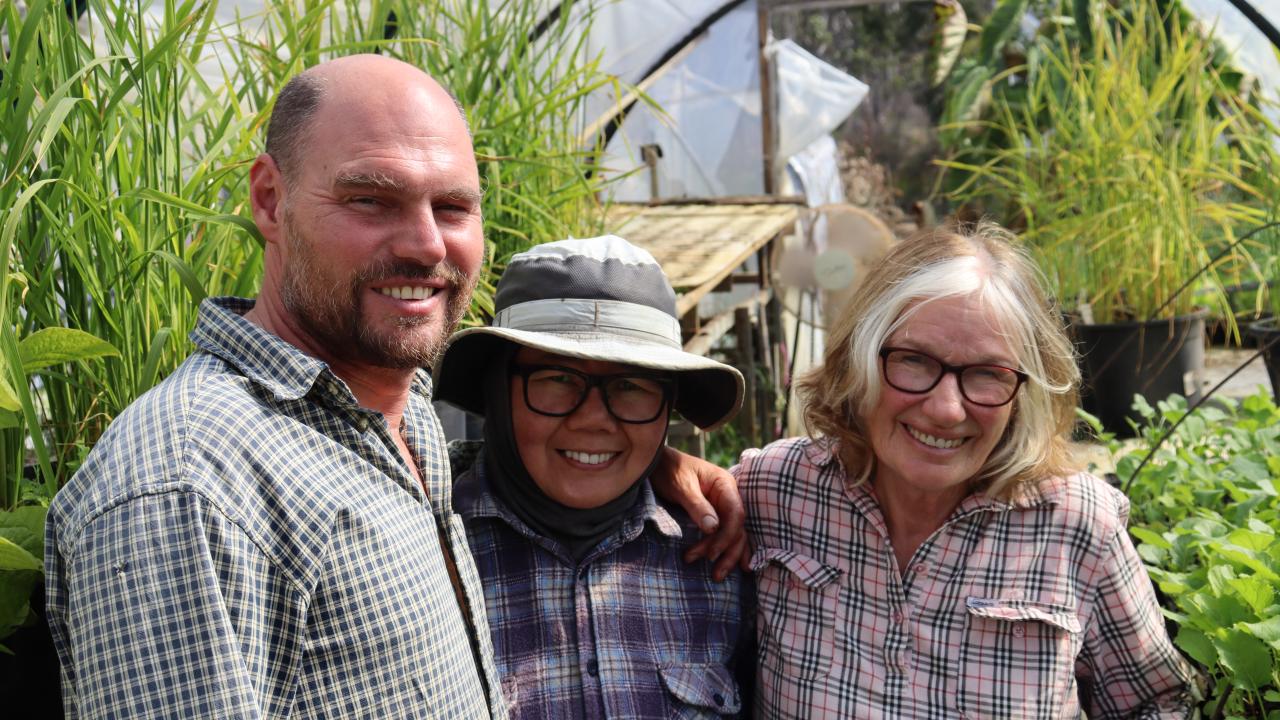
Joe Hartley believes he is the only person in Tasmania growing edamame for commercial use.
He and his wife, Hawa, grow the bean at Saltwater River on the Tasman Peninsula on land his parents bought in 2008.
Edamame are young soybeans harvested before they ripen or harden and are naturally gluten-free and low in calories. Popular in East Asian dishes, they are cholesterol-free and provide protein, iron, and calcium.
Joe and Hawa’s business is called Hobbit Hort, while Joe’s mother, Hilary, runs Grown For Taste.
It has been a solo venture for Hilary since her husband and business partner, George, passed away in 2022.
The couple started growing produce in the 90s while living in Western Australia, then moved to Tasmania and purchased the farm.
“We had more hippie roots; we don’t see ourselves as commercial farmers,” Hilary said.
“We wanted to be self-sufficient, but it grew into a commercial thing.”
Grown for Taste’s current clients include Peppina, Cygnet Garden Larder and the Bush Inn at New Norfolk.
Both she and Hobbit Hort grow a variety of vegetables year-round.
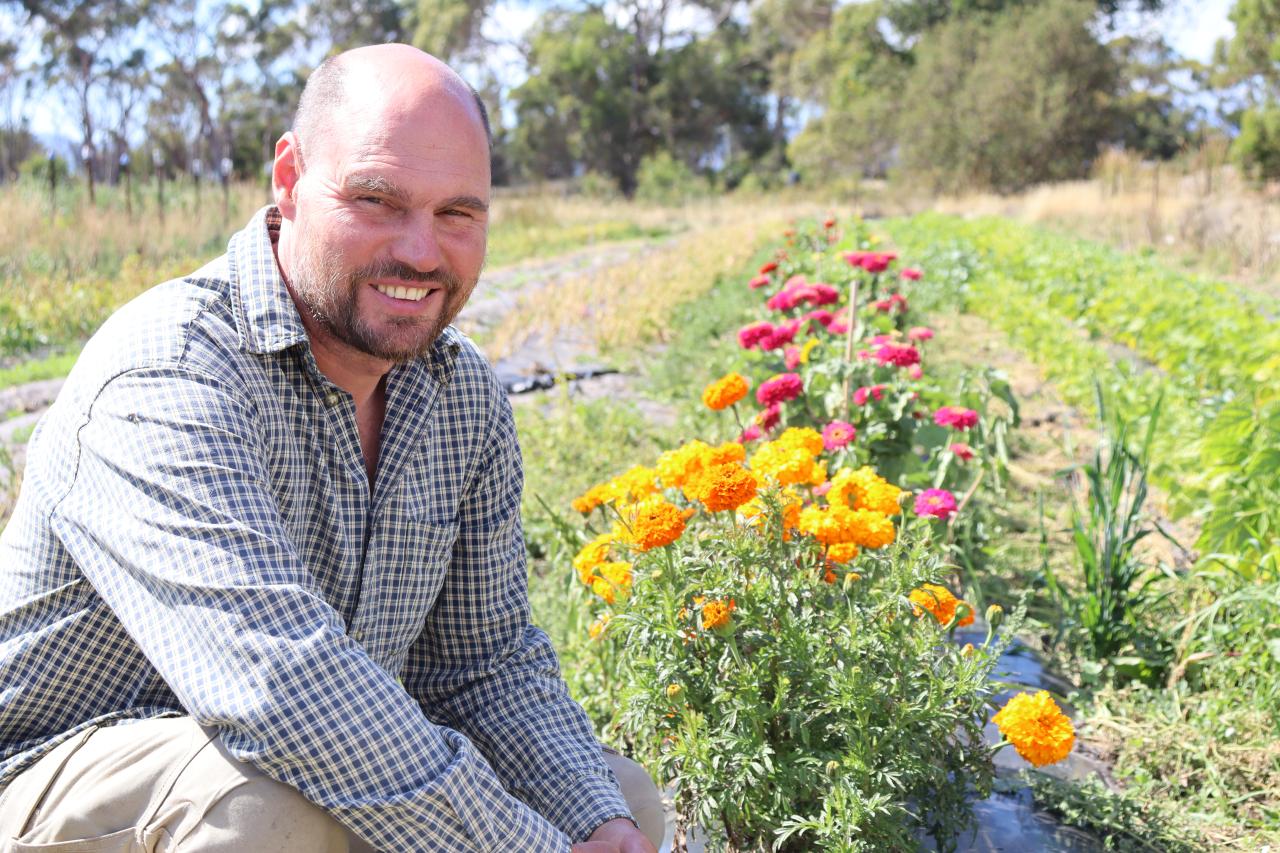
But with the dam on the property almost completely dried up, finding water is a challenge.
“Joe uses drip tape, and almost all of my systems recirculate, which is how we’ve managed this long without much rain.”
While Hobbit Hort started in 2019, Joe said they ramped up in 2022.
“Because of the water situation, we have to shift towards things that are deep-rooted and can grow with natural rainfall.
“That’s why edamame is good – they use very little water compared to most of our veggies.
“I would like to do a lot more breeding and see if we can make some money out of those varieties.
“We do have some pretty unique things that I think would solve some problems for other growers.”
Hilary said that Joe’s observant eye was behind his fascination with crop breeding.
“He’ll just notice that there’s a tomato that’s fruit didn’t split when it rained, and all its brothers and sisters did.
“So we’ll save a seed from that tomato and see if he can breed a line.”
Joe’s latest project is to crossbreed American beans.
“I haven’t had any wins with that yet,” he said.
“But just keeping an eye out in the crop, now and then, I spot a rogue that has a useful trait and is a natural outcross.
“Beans usually don’t self-pollinate; they don’t usually cross with another plant, or even with another flower on the same plant.”
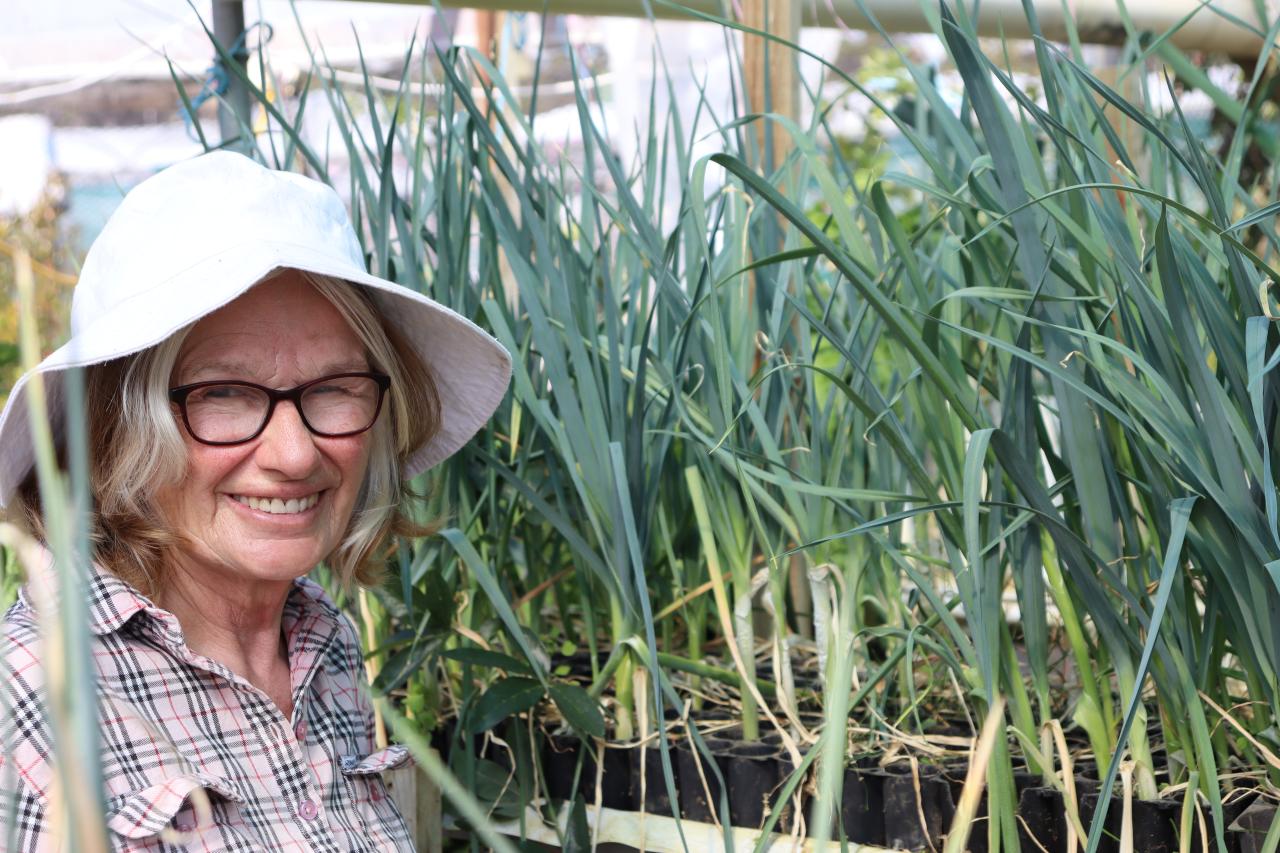
But Joe had some success with other crops.
“Our best bean at the moment is a new variety which started as an outcross I spotted.
“I had a purple bean crop, and there was a plant in there that was a little bit greenish.
“I thought ‘oh, that one’s crossed with something else’
“I kept the seed, and it turned out to be fantastic.”
A former cherry orchard, Joe said the farm was starting to fall into disrepair due to everyone's hectic schedules over the last decade.
“The next five years are really about digging ourselves out of a hole and making things efficient again.”
But Joe said the love and passion for what his family does remain.
“Mum and Dad’s dream for a farm was really as a place for us to live the way we feel people are meant to live.
“For my daughter, I just couldn’t imagine her living any other way.
“So even though it's way too much work and busy a lot of the time, it’s worth it.”




Add new comment