
Jim Chalmers set to make final decision over Rushy Lagoon sale
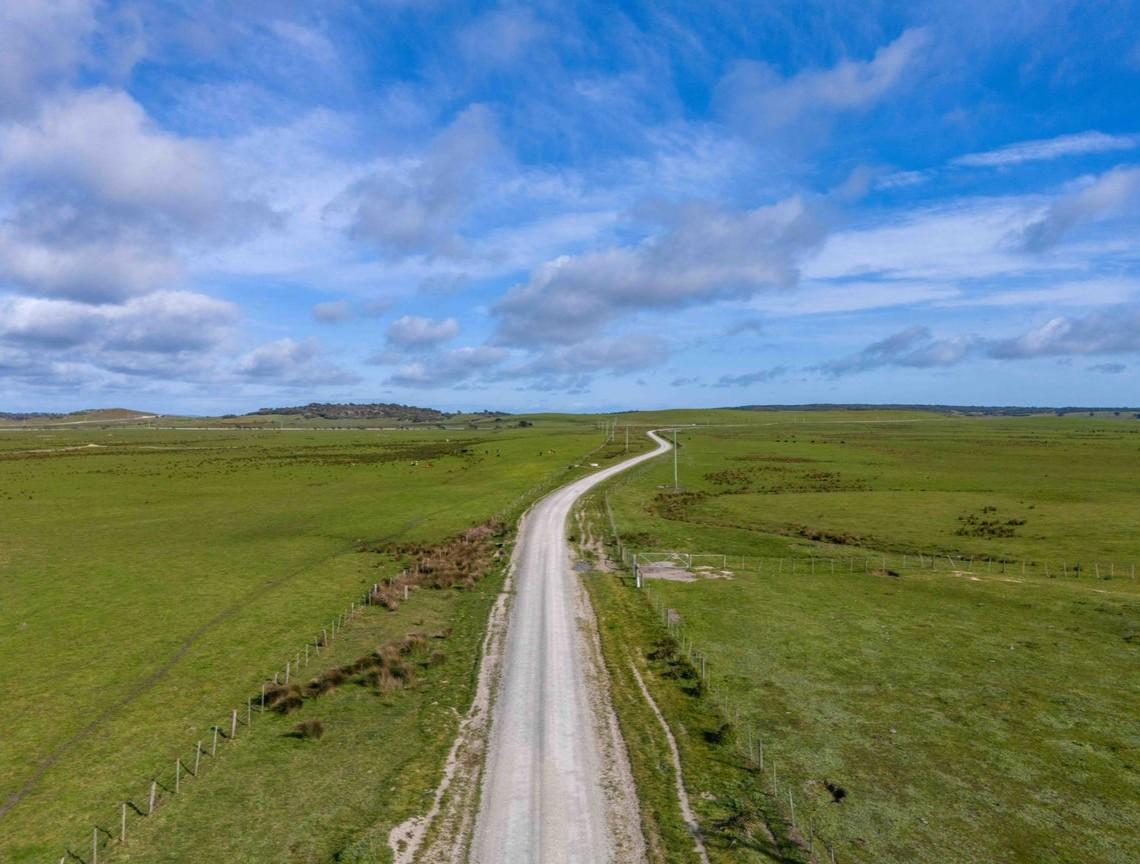
The fate of Rushy Lagoon farm lies in the hands of Federal Treasurer Jim Chalmers.
The sale of the 22,000-hectare farm in Tasmania’s north east requires approval from Dr Chalmers, who reportedly has until the end of today to decide whether it will go ahead.
The farm is slated to be sold to British forestry and investment firm Gresham House in a deal worth more than $100 million.
The sale of Rushy Lagoon, which has been used for dairy, beef and sheep farming, has been met with widespread criticism from the agricultural sector over plans to convert the land into a forestry plantation.
It is understood that the federal government’s Foreign Investment Review Board has provided Treasury with advice regarding the sale and that the Commonwealth’s Clean Energy Finance Corporation is involved in the transaction.
Tasmanian Liberal Senator Richard Colbeck was highly critical of the deal.
“It is plainly not in our interest for the government itself to subsidise the conversion of a 22,000-hectare irrigated beef and dairy farm to grow trees,” Senator Colbeck said.
“Setting aside the distortion of the local market, the potential conversion of Rushy Lagoon to sequester carbon comes at the expense of growing food for Australians and for our export industries, and potentially jeopardises the local supply chains more broadly."
If the Rushy Lagoon sale went ahead, Senator Colbeck warned that the plantation forest could not have its desired impact.
“The real science as provided by CSIRO and many other world-renowned forest scientists shows that you will store more carbon in a forest by active management than by locking it up.
“This is just an ideological Labor-Green mechanism to shut down the forest industry.”
TasFarmers CEO Nathan Calman said there were concerns around the sale approval process given reports of overlapping governance roles and potential government financial involvement in the project.
“We respect the role of the Foreign Investment Board and the importance of an independent assessment process,” Mr Calman said.
“Our concern is that public confidence in that process can be undermined where there are real or perceived conflicts that have not been clearly addressed, there’s no transparency, and the community has expressed there is no social license for the sale of Rushy.”
Mr Calman said it was understood that the Chair of the Clean Energy Finance Corporation also serves as a director of the government’s Foreign Investment Review Board.
“If these governance arrangements are not being managed transparently, they risk undermining confidence in both institutions.
“Farmers, regional communities and the broader public deserve confidence that investment decisions are being made independently and solely in the national interest.”
“If government entities have a financial interest in the project while government agencies are responsible for assessing the transaction, there must be absolute confidence that appropriate safeguards are in place.
“Even the perception of a conflict can damage trust in the process.”




Add new comment