
Mixed spring outlook for Tasmania
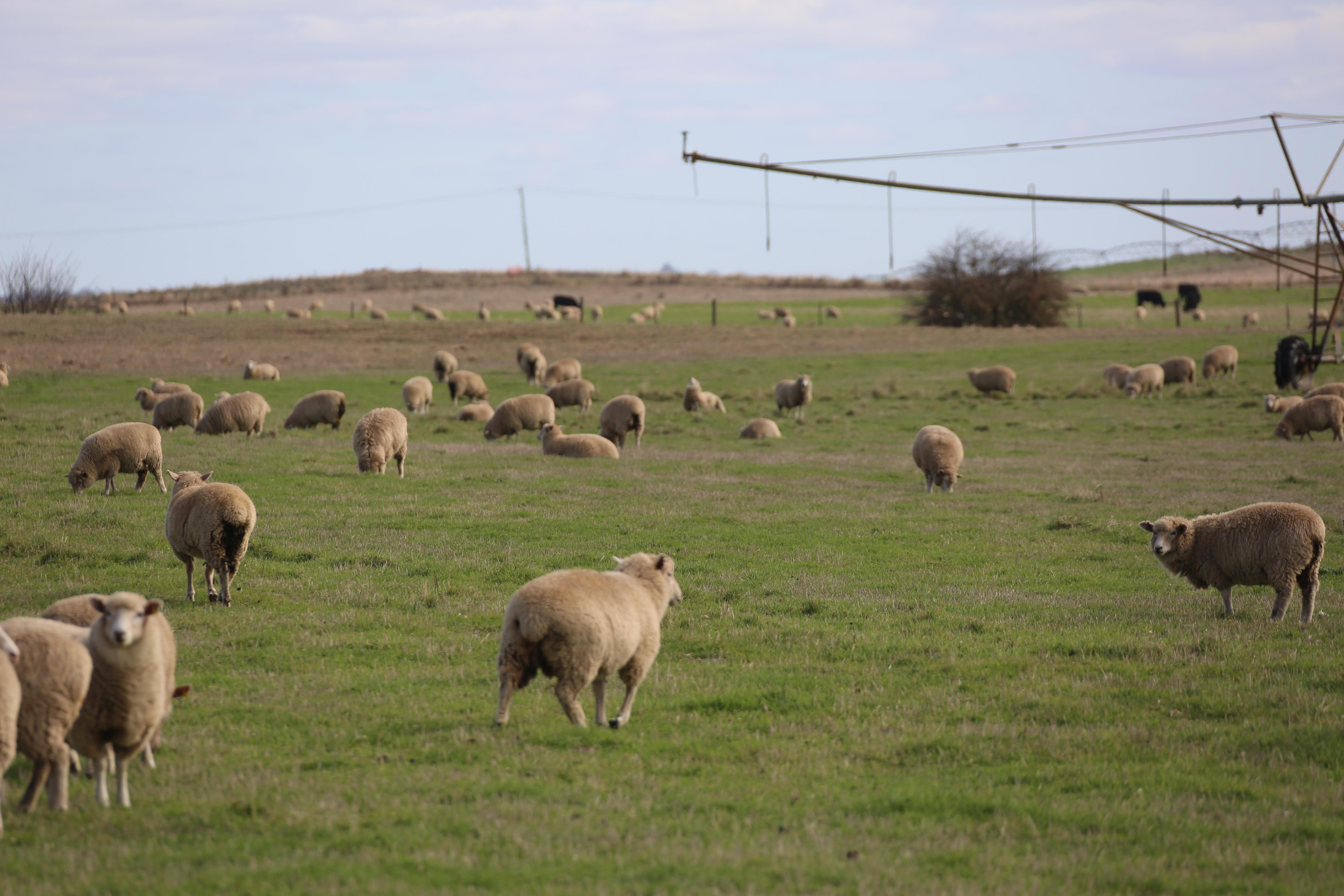
TASMANIAN farmers are approaching spring with a mixed seasonal outlook, as improved winter rain lifts soil moisture across much of the state while warmer and potentially drier conditions threaten to reopen feed and water deficits in exposed districts.
The Bureau of Meteorology’s long-range outlook indicates temperatures are likely to remain above average through late winter and spring, with below-average rainfall favoured across parts of southern and eastern Australia.
Tasmania is not expected to experience the same widespread dry signal as much of mainland south-eastern Australia, but conditions are likely to vary considerably between regions.
The state entered winter after a dry autumn, when area-averaged rainfall totalled 263.8mm, 21 per cent below the long-term average. Autumn maximum temperatures were also well above average, with Tasmania recording its equal second-warmest autumn since statewide records began in 1910.
June brought welcome improvement, with rain strengthening soil-moisture and runoff conditions across much of the state.
Ag logic’s Irrigation, Soils and Ag Lead, Marek Matuszek, said it was a case of two tales for the north and south of the state regarding soil moisture.
“Everywhere north of the Longford region, the soil moisture is full,” Mr Matuszek said.
“This is the best winter that the northeast has had in the last four years.’
Mr Matuszek said the northern half of the state had really good pasture growth as well.
“We had a really warm May and June, so that really long autumn growth extended into winter.
“And while it has been wet, we haven’t been at saturation because the pastures have been using up the moisture.”
But further south it was a different story.
“In the Midlands there is no real subsoil moisture, so they are nowhere near full,” Mr Matuszek said.
“That includes the Fingal Valley and East Coast area where it is dry, but the further south towards Buckland it gets better.
“The Derwent Valley is fairly dry, but the Central Highlands is better.”
Mr Matuszek said for the northern half of the state spring was looking positive.
“We’ll have a spring down south, but the question will be how long that holds on for regarding soil moisture.
“If we don’t have any more rain, that soil moisture will be exhausted pretty quickly.”
For summer and beyond, Mr Matuszek said that was a big unknown.
“If we get September and October rains, that will keep prolonged growth going and set the season up.”
June was also unusually mild. Tasmania’s area-averaged maximum temperature was 11.6C, 1.39C above the 1961–1990 average, making it the equal third-warmest June recorded since 1910.
The combination of warmer temperatures and improved surface moisture could encourage an early pasture response where conditions are favourable.
However, higher temperatures also increase evaporation and can quickly use shallow moisture reserves if follow-up rain fails.
For dairy, beef and sheep producers, the crucial issue will be whether winter rain has penetrated deeply enough to support sustained spring growth rather than producing a short flush.
Farmers in better-watered northern and western districts may be positioned to capitalise on warmer soils by applying fertiliser and increasing grazing pressure as pasture growth accelerates.
In the Midlands and other areas with continuing moisture deficits, producers may be more cautious about nitrogen applications, stocking rates and the amount of conserved fodder committed before reliable spring rain arrives.
Cropping decisions could also be affected, particularly where growers are considering spring sowing, additional fertiliser or high-cost inputs.
A warm, dry finish to winter may improve paddock access and planting conditions, but poor follow-up rain could leave emerging crops dependent on limited stored moisture.
The Bureau cautions that below-average rainfall does not mean there will be no rain, but that totals are more likely to fall below the seasonal median.
The result is likely to be a spring of sharply contrasting conditions.
Some farms may enter the growing season with improving pasture, full dams and confidence to lift production, while others could remain reliant on irrigation, supplementary feed and careful management of every available millimetre of moisture.
Elders hay trader Hayden Bean urged those who were looking to cut hay and silage, which typically occurs in mid-October, to begin planning and use sprays to remove capeweed.
“There’s plenty of moisture about, so we’re probably getting a better lead into spring than the last few years,” Mr Bean said.
“There’s a bit of growth around, and it's warm, so everything is looking positive provided we keep on the track we are.
“Most people I’ve spoken to are very positive about where we are headed.”




Add new comment