
Scott Freeman takes aim at Invasive Species Council over deer report
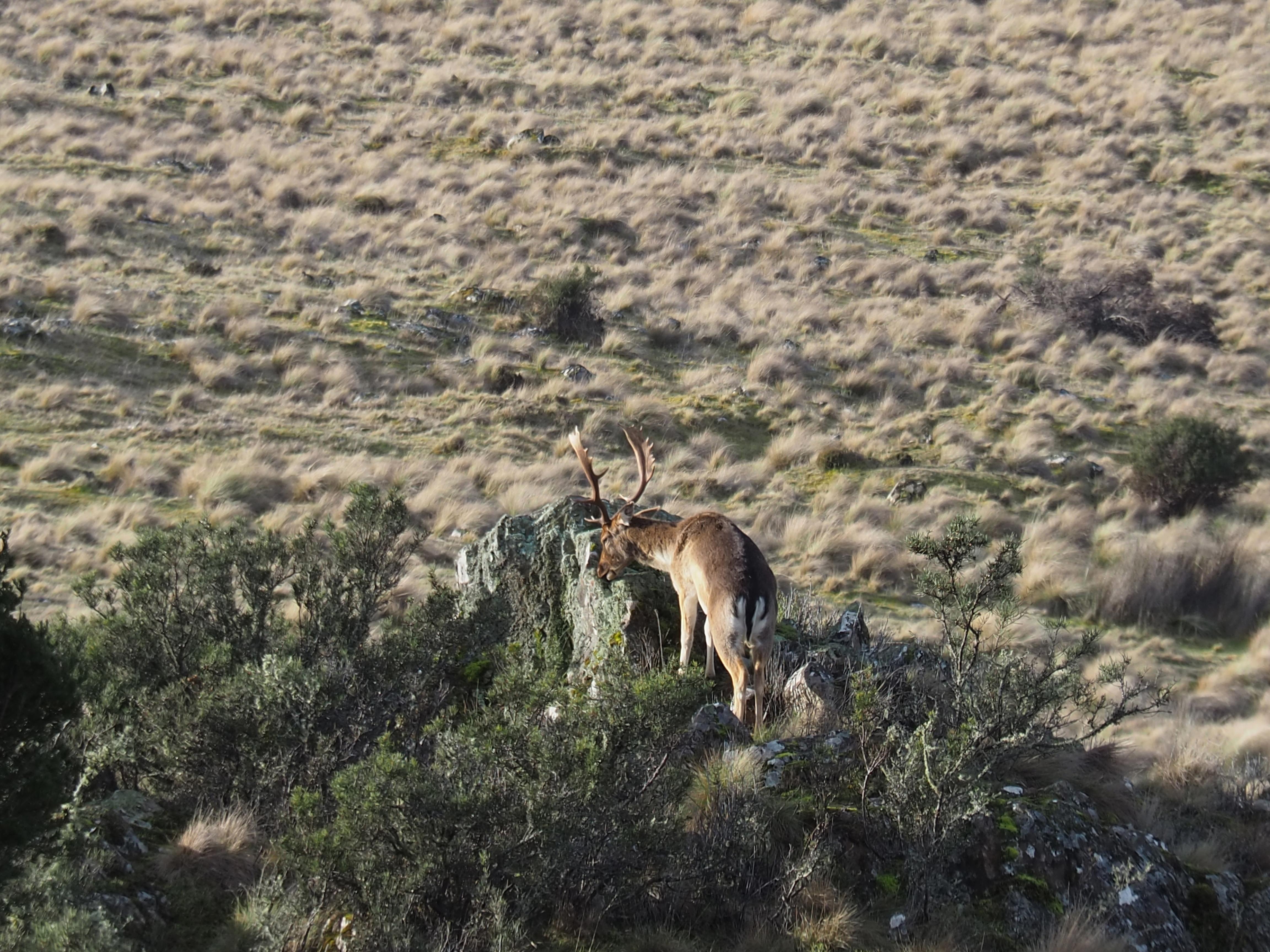
A Tasmanian deer shooter have labelled economic modelling on the cost of damage caused by wild deer as “crap”.
Modelling by Frontier Economics found that wild deer could cost Tasmania up to $1.4 billion over the next 30 years unless the government ramps up control efforts.
The report that was endorsed by the Invasive Species Council also found that the current cost of managing deer in the Midlands and on the East Coast is $53 million.
However, the Australian Deer Association, which represents deer hunters, said the Invasive Species Council was “a propaganda arm of the Greens”.
“They have put the report out without backing it up and just making up figures,” ADA Tasmanian coordinator Scott Freeman said.
Mr Freeman said that economic modelling had been done showing the benefits of deer hunting to Tasmania.
A 2023 study commissioned by the State Government showed that the direct and indirect contributions to the Tasmanian economy from deer hunting totalled $29.1 million.
Mr Freeman said hunting was a key solution in the fight against wild deer.
“Without pulling the trigger and shooting them, there’s no other way of controlling or managing deer in Australia at the moment,” he said.
“There’s no poison that’s regulated to control deer at the moment, but we don’t want to go down that trail.
“A recreational hunter is one of those tools in the toolbox that we’ve got to use.”
The Invasive Species Council said the Frontier Economics report used published data and evidence.
“The analysis draws on government deer population estimates, published research and publicly available information on agricultural losses, road crash costs, forestry impacts, revegetation losses and other measurable economic impacts,” the organisation said.
“Every key assumption and data source is referenced, and before releasing the report findings, they were reviewed by a range of stakeholders.
“Like any economic modelling, it’s transparent about its assumptions, and those assumptions are clearly documented.”
The Invasive Species Council said a coordinated, science-based response that matched the scale of the problem was needed to control deer.
“That means increasing investment in professional deer control, expanding successful aerial and ground control programs, protecting high-value environmental areas, supporting landholders and removing unnecessary legal barriers that prevent effective management.
“The science is clear that small, uncoordinated efforts won’t reduce deer numbers.
“Control needs to exceed population growth if we’re going to get on top of the problem.”




Add new comment