
TasFarmers Matters - Overlooked potential of forestry
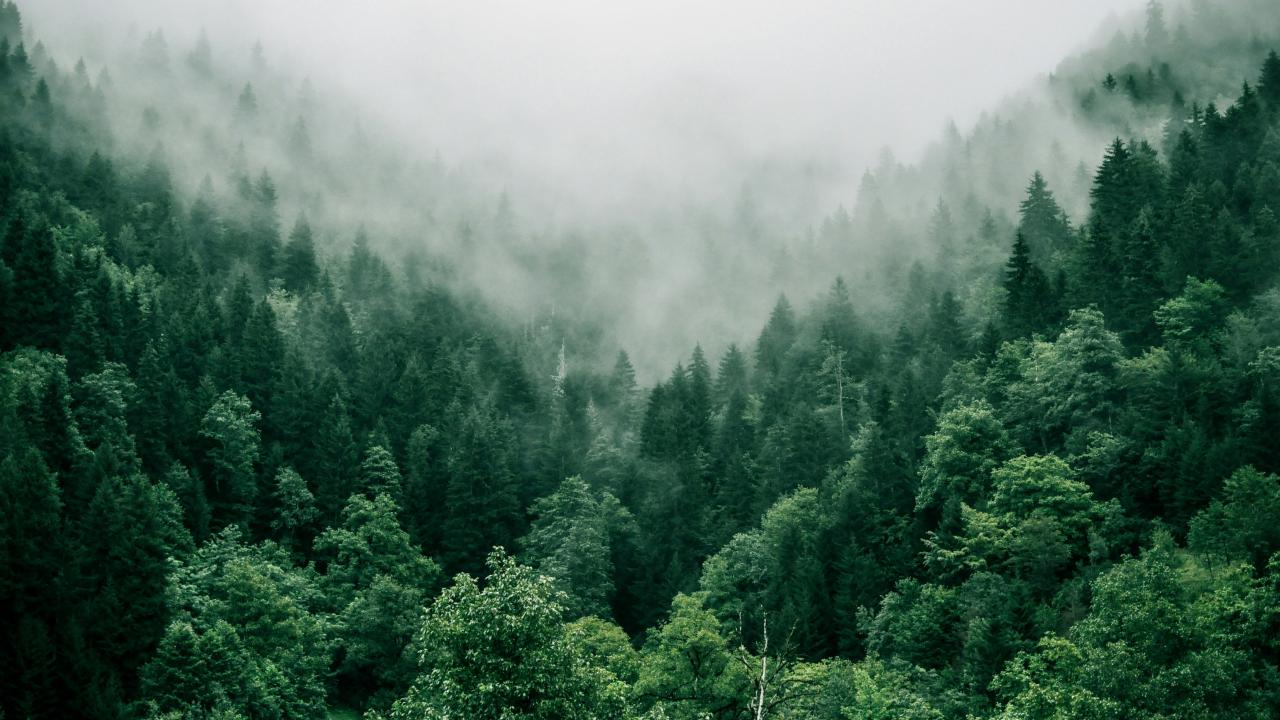
Australia stands at a crossroads in managing its vast and vital forests.
Concern about recent EPBC legislation changes have sparked debate, however these changes present an opportunity to re-evaluate our management approach for these essential ecosystems.
At the forefront of this change are our farmers - the ultimate conservationists.
They manage the land not just for production, but to achieve sustainable environmental outcomes, all within a highly regulated framework.
Their dedication is evident, with farmers proudly displaying their environmental credentials on their sleeves.
The significance of farmers in environmental stewardship is underscored by the roots of Landcare, Australia’s largest volunteer environmental organisation, which emerged from rural concerns to promote innovative production and conservation practices.
Farmers engaging in Land care initiatives have made significant strides in regional ecosystems’ management, proving that agriculture and environmental care can go hand in hand.
Managing over a quarter of Tasmania’s landmass, these farmers are the nation’s original stewards of the land.
For too long, the narrative around forest management has been overly simplistic, often pitting conservation against economic interests.
However, a more nuanced understanding reveals that sustainable forestry practices can deliver both environmental, social and economic benefits.
Instead of viewing our forests as either untouched wilderness or sources of raw materials for clear-felling, we need to embrace a model that emphasises careful management, scientific understanding, and long-term thinking.
One of the most promising approaches is selective logging, a practice that involves carefully removing specific trees while preserving the integrity of the surrounding ecosystem.
Unlike clear-cutting, which can decimate habitats and release vast amounts of stored carbon, selective logging minimises disruption and promotes biodiversity.
It allows sunlight to reach the forest floor, encouraging the growth of new trees and understory plants, while also maintaining habitats for a wide range of species.
But the benefits of selective logging extend beyond biodiversity conservation. It also offers a powerful tool for carbon sequestration.
By maintaining a healthy forest structure, selective logging ensures that trees continue to absorb carbon dioxide from the atmosphere.
Moreover, when timber from selectively logged forests is used in products like furniture and construction materials, the carbon stored in the wood is effectively locked away for decades, even centuries.
In contrast, the current approach of locking up forests and walking away is not only economically unsustainable but also environmentally irresponsible.
Unmanaged forests become overcrowded, full of weeds, and increasingly vulnerable to catastrophic wildfires.
As trees age and die, they release their stored carbon back into the atmosphere.
And the build-up of dry, flammable materials creates a tinderbox, threatening both human settlements and native ecosystems.
This is where fuel reduction burns, also known as prescribed burns, come into play.
By carefully burning vegetation under controlled conditions, we can reduce the risk of uncontrolled wildfires, stimulate the growth of fire-adapted species, and improve overall ecosystem health.
Fire is a natural part of many Australian ecosystems, and when managed properly, it can play a vital role in maintaining biodiversity and nutrient cycling.
However, to realise the full potential of sustainable forest management, we need a shift in mindset and policy.
First, we must move away from the outdated mantra of “think global, act local” when it comes to timber.
It is absurd that Australia, a nation with vast forest resources, is a net importer of timber.
By buying our timber from overseas, we are not only exporting jobs and economic opportunities but also contributing to environmental degradation in Australia and in other countries.
Second, we need to embrace a science-based approach to forest management, one that incorporates both traditional ecological knowledge and contemporary research.
The observations of farmers, who have managed the land for generations, are invaluable.
So, too, are the insights of Aboriginal communities, who have sustainably managed the landscape for thousands of years.
Third, we will foster collaboration among all stakeholders, including government, industry, and local communities.
TasFarmers is committed to working with all parties to re-sign forestry and environmental legislation in a way that benefits both the environment, the economy, and the community.
Finally, we need to recognise the economic opportunities that sustainable forest management can create.
By investing in local processing and manufacturing, we can create jobs, boost regional economies, and reduce our reliance on imports.
We can also develop new, high-value timber building products that sequester carbon and replace more carbon-intensive materials like concrete and steel. The path forward is clear.
By embracing sustainable forestry practices, we can create healthier forests, reduce the risk of wildfires, sequester carbon, and boost our economy.
It is time for Australia to become a leader in sustainable forest management, demonstrating that it is possible to balance economic development with environmental stewardship.



Add new comment
Comments
TasFarmers back end to native forest logging
Ian Sauer is to be commended for pointing out that current native forest logging practices by Sustainable Timbers Tasmania are economically and environmentally unsustainable. Our community can attest to the bulldozing, burning, then seed-bombing of vast areas of catchment and diverse habitat-rich forest ecosystems, sometimes with little taken out in pulp, and very little taken out as timber. It kills vast areas, drives away tourists, pollutes waterways, dries out the land, increases fire risk and produces insane amounts of greenhouse gasses. Take away the taxpayer subsidies and STT would be bankrupt in a week. Local communities want it to stop to keep our catchments clean, our small tourism businesses afloat, and to instead see jobs and growth in better forestry practices (what STT do isn’t even forestry) and the promotion of wet forest growth to protect farms and communities against fire and climate change. Selective forestry is one option, but Sauer needs to check current research on burning - in some places, yes, it’s the right thing, in some places, not so much. Still, either way, STT execs and Liberal-Labor should listen when the CEO of a conservative organisation like TasFarmers calls out native forest logging.