
Tasmanian abalone industry gets Marine Stewardship Council certification
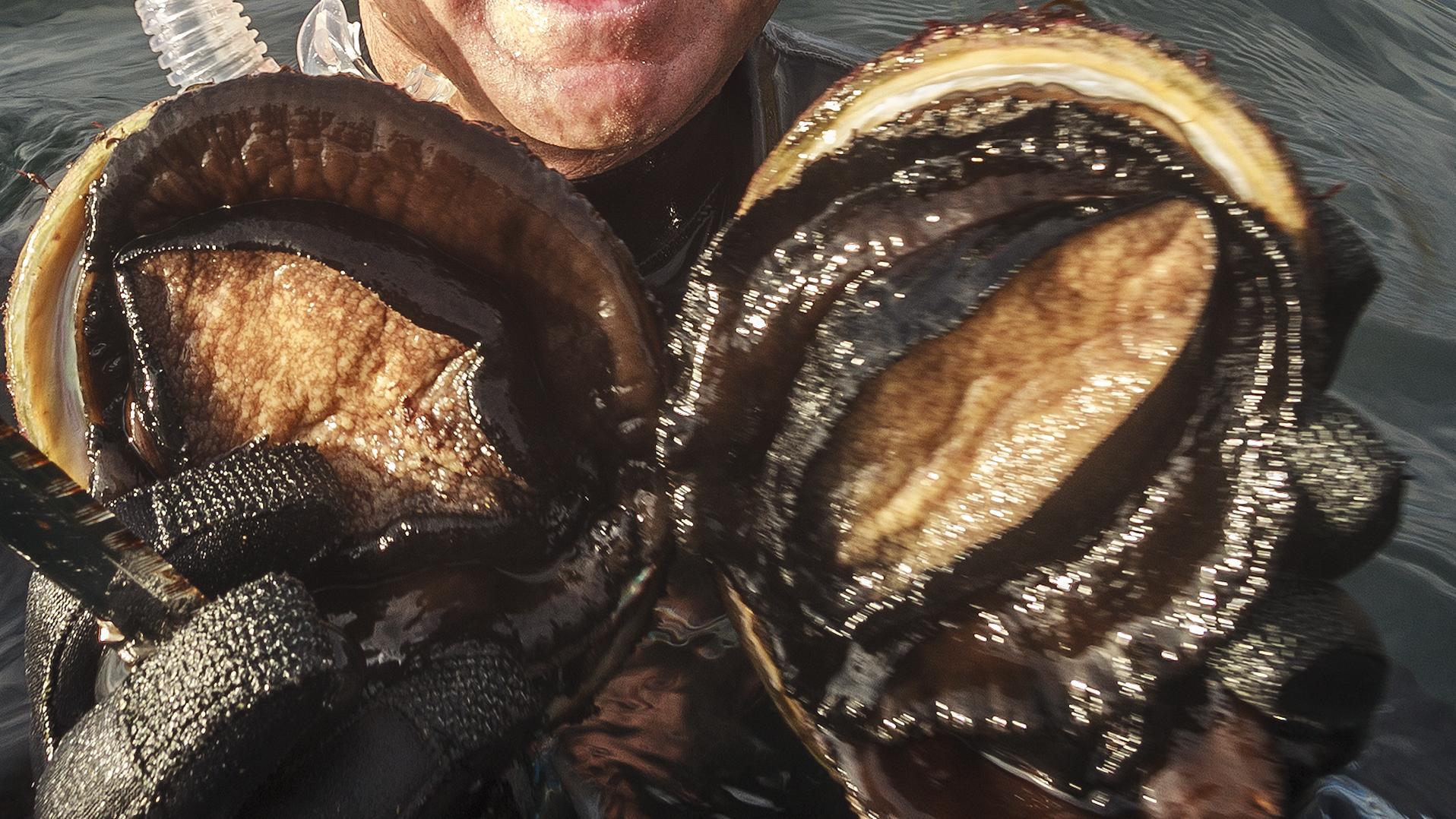
Tasmania’s abalone industry has been certified by the Marine Stewardship Council (MSC), the world's leading standard for environmental sustainability, in a move that is hoped to give the state an edge in the crowded Chinese market.
The council is an international non-profit organisation that sets standards for wild-capture fisheries and runs an independent, third-party certification scheme.
Tasmania is currently the only wild-caught abalone fishery in the world to achieve the certification, and is the first industry in the state to be recognised by the MSC.
Australian-based bio.inspecta conducted the third-party assessment of the fishery for the council.
MSC Oceania spokesperson Anne Gabriel said the certification was a proud moment for Tasmania and for Australia.
“The Tasmanian wild abalone industry has backed its commitment to sustainability with action, opening its practices to rigorous, independent verification and earning recognition alongside some of the world’s most sustainable fisheries.
“Behind this achievement is a culture of leadership and stewardship that treats sustainability as fundamental to the industry’s future.
“Global standards come to life through fisheries willing to put them into practice.
“Tasmania’s abalone industry has done exactly that and deserves to be celebrated.”
Tasmanian Abalone Council president Dean Lisson said the MSC recognition would give the state’s industry confidence moving forward.
“Without it, we won’t survive,” Mr Lisson said.
“Most of our product is exported, with international markets increasingly preferring seafood which has attained independent third-party certification.
“For Tasmanian wild-caught abalone, MSC Certification is a powerful strategic marketing asset.”
“In practical terms, many large retailers, global hotel chains, multinational brands and food‑service companies use MSC as their primary or sole benchmark for purchasing and procurement of sustainable wild‑caught seafood.
“We currently export around 90 per cent of our abalone to China and compete with local and imported abalone of mixed and often unclear origins and quality standards.”
The most recent wild blacklip and greenlip abalone harvest in Tasmania was around 732 tonnes.




Add new comment