
Antibiotic residue has been detected in water samples, sediment and eels from the Derwent River
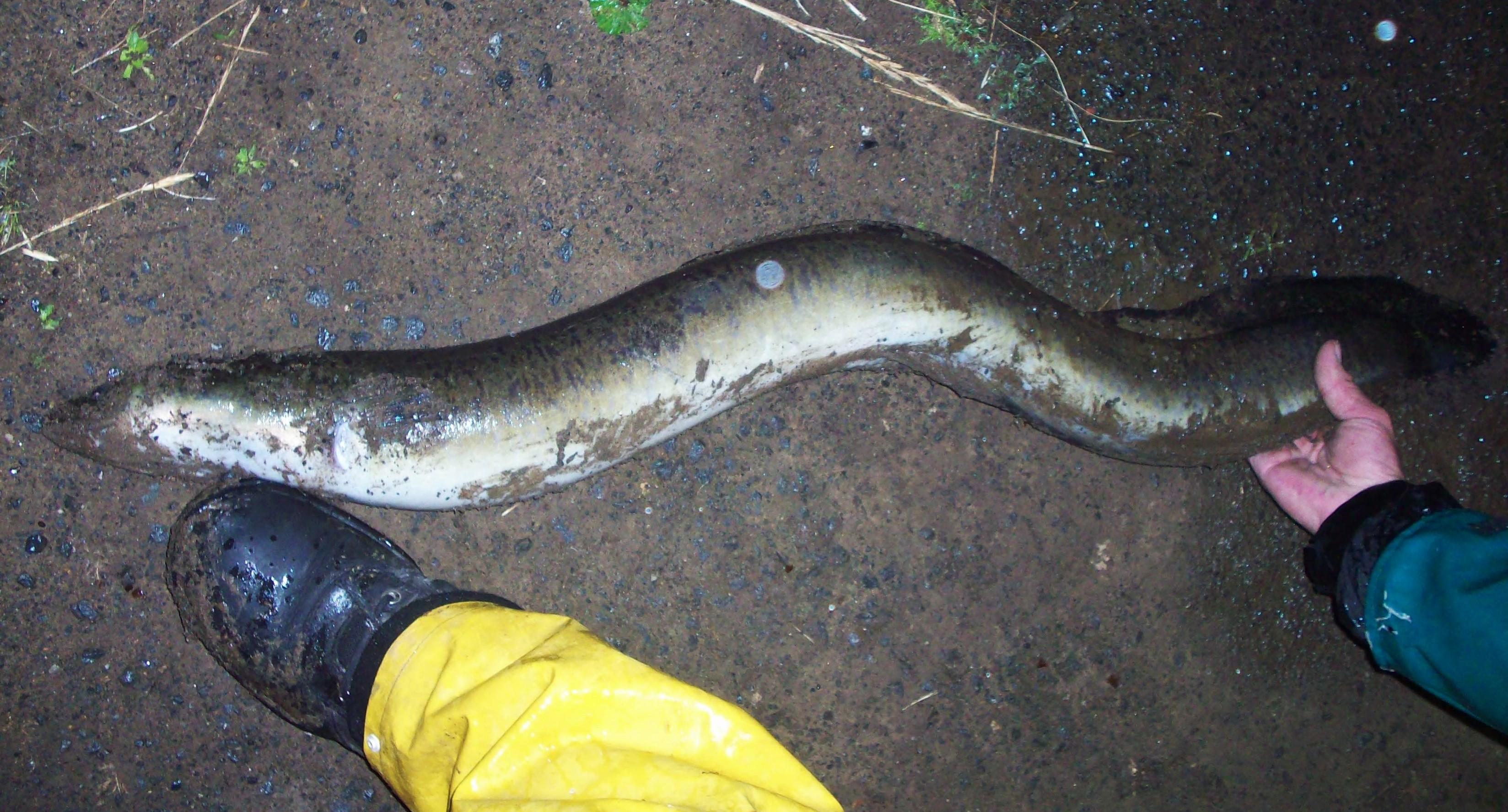
A report submitted to the Tasmanian Environment Protection Authority(EPA) has stated that Antibiotic residue has been detected in water samples, sediment and Eels from the Derwent River below Huon Aquaculture's "Meadowbank" Atlantic Salmon Hatchery.
The report submitted to the EPA by Marine Solutions Tasmania, a consultant for Huon Aquaculture, also confirms that around 52 kilograms of oxytetracycline (OTC) antibiotic were used to treat bacterial disease at the hatchery between January 21 and February 9 this year.
A rapid increase in water temperature during Summer led to the initial disease outbreak at the Meadowbank Hatchery, a “flow-through” freshwater hatchery that draws in water and discharges used water back into the river.
Details of antibiotic use weren't released for more than two weeks, although companies with licences for freshwater salmon hatcheries are not required to report such use.
On January 23, the EPA completed a monitoring schedule for specific sampling at sites, two days after the antibiotic was first used, resulting in a six-day sampling delay at five sites.
The EPA has been criticised for the delay in the monitoring schedule and the resulting pollution from antibiotic use in a major freshwater river.
Eight weeks of sampling revealed no antibiotic residues at the hatchery intake. Still, in the effluent tank below, after the last use of the antibiotic, samples showed a peak reading of 1800 mg/kg, exceeding the 0.01 mg/kg threshold. These readings also stayed the same for three months.
Sediment samples at the discharge point and downstream from it on the Derwent River were six times higher than the threshold in early May, with sediment sampling said to be “ongoing” until results showed they were below the reporting threshold.
Twelve water samples from three sites were above the threshold for antibiotic residues, and one sample collected 500 metres downstream of the hatchery, six days after antibiotic use began, was 50 times above the reporting threshold.
Three samples from short-finned eels had antibiotic residues above the limit, and two of those were tested three weeks after the final treatment. The highest residue concentration in an eel was five times over the threshold, but below the maximum standard for human consumption.
Meg Webb, an independent member of the Legislative Council, wants an explanation for the delay and the resulting pollution. “Full disclosure of antibiotic use and subsequent monitoring data must be a licensing requirement for freshwater fisheries,” she said. “If the EPA has failed to put that in place, the community deserves an explanation for the delay and a firm commitment to those licensing changes being expedited.”
The World Health Organisation has previously warned of the increasing risks of breeding antibiotic-resistant superbugs from the overuse of OTC antibiotics in the food industry.
The Derwent Valley Gazette would like to acknowledge Bob Burton and the Tasmanian Inquirer for some of the information contained within this article.




Add new comment
Comments
Eating fish
Is it safe th eat the eel and fish out of the derwent