
Seeds of success sown at Cressy
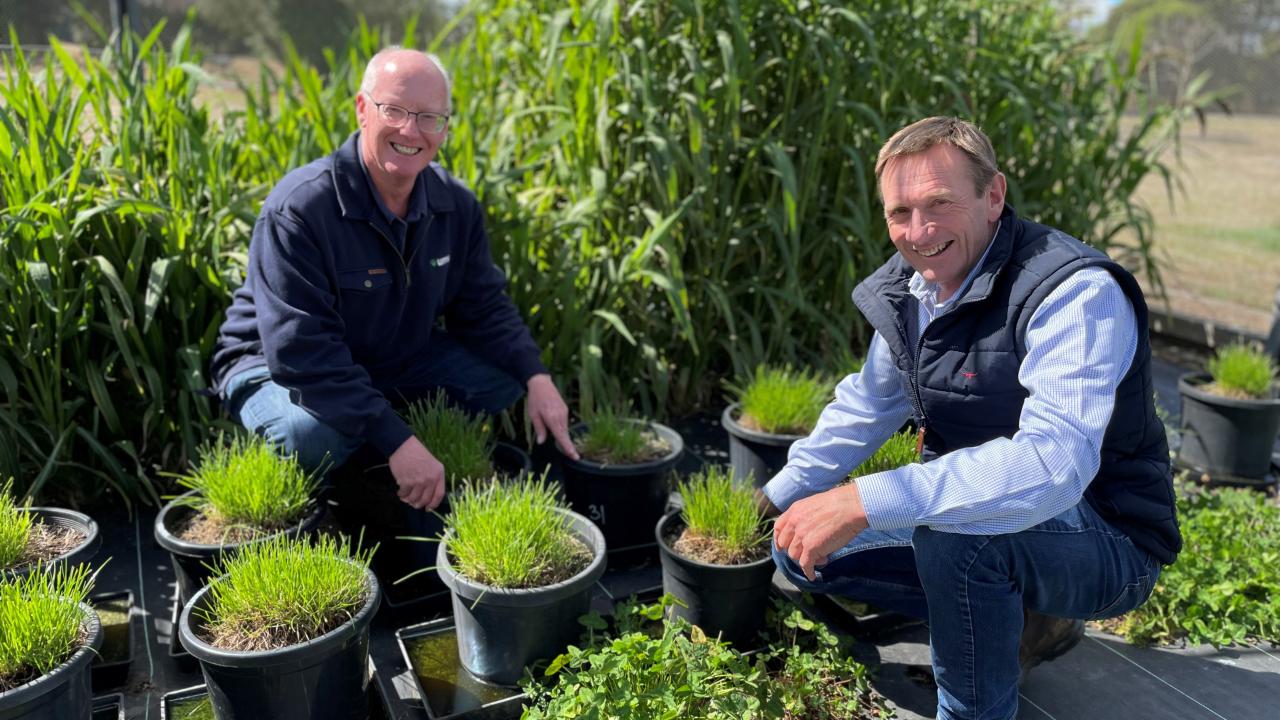
Two Tasmanian-bred grass varieties have topped national rankings that have literally put them a cut above the rest.
UMS varieties Torpedo annual ryegrass and Allure Italian ryegrass have delivered outstanding results in the latest Dairy Australia Forage Value Index (FVI), topping rankings across eastern Australian regions.
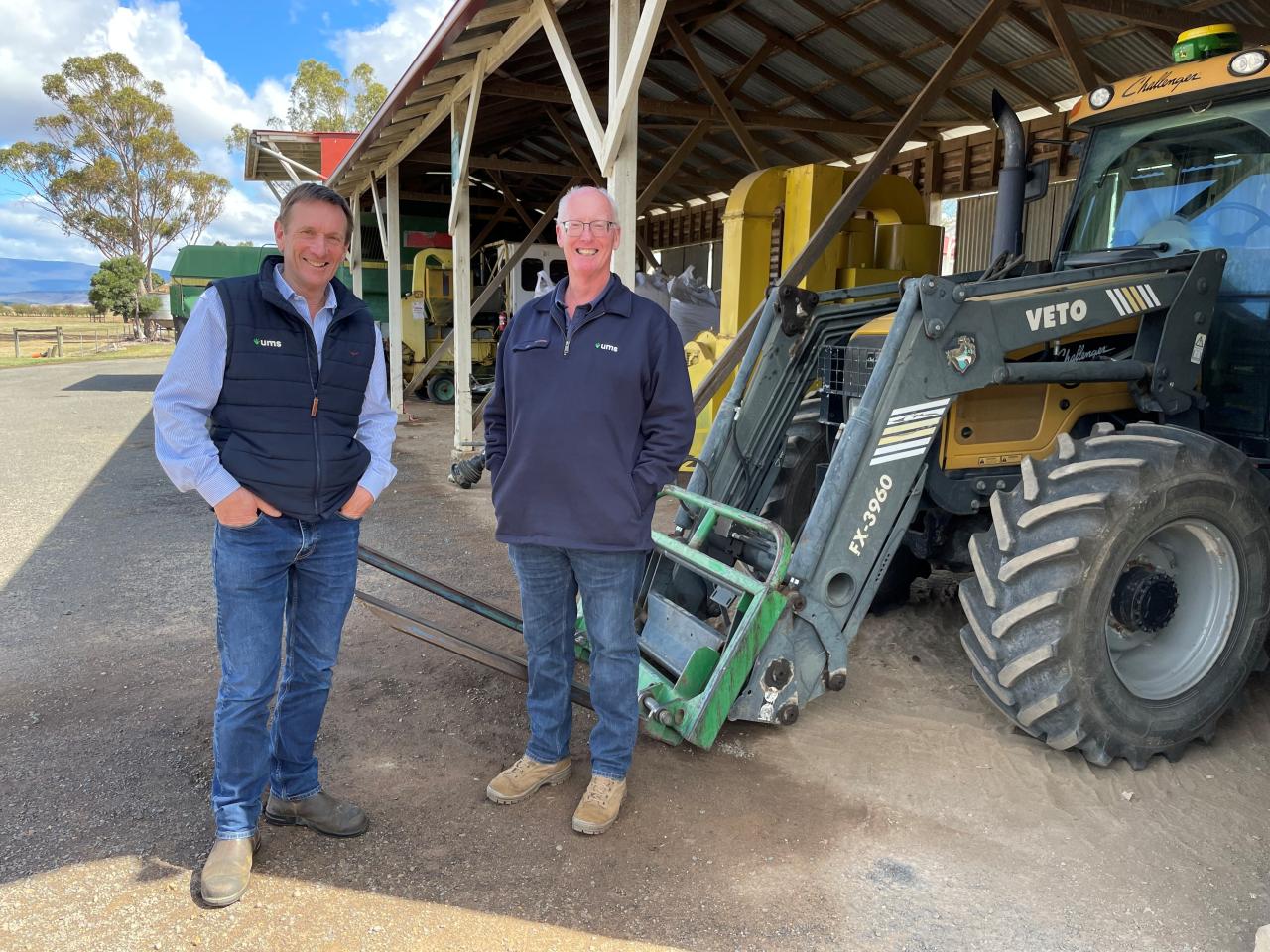
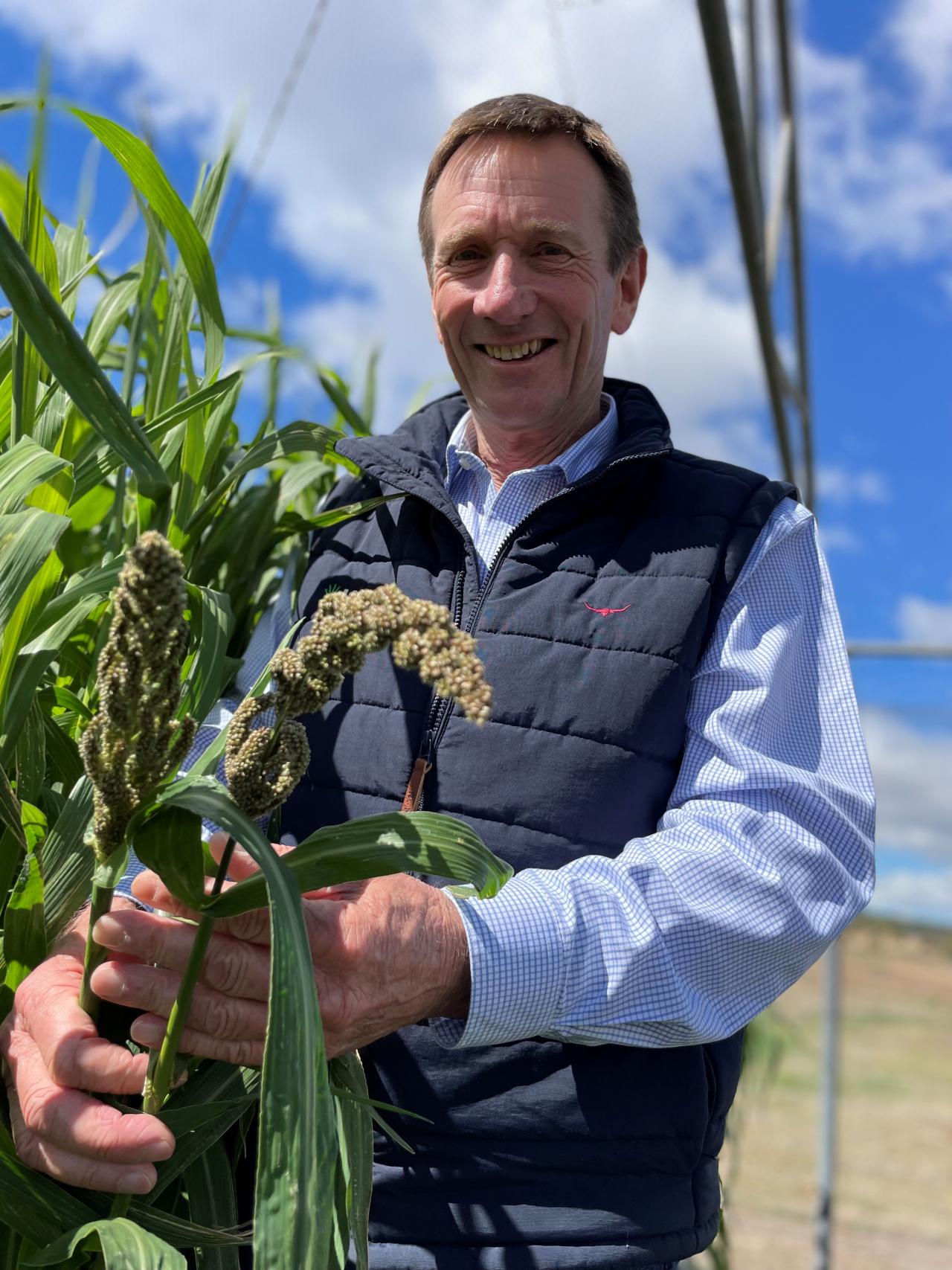
It reflects the successful pairing of UMS founder and director Stewart Sutherland and the UMS Research Station manager Tim Smallbon, who together have rejuvenated a run-down northern midlands trial facility to produce some of the best grasses a farmer can grow.
The FVI is a national variety ranking system built on data generated through multi-site independent pasture trials and it assesses the potential economic value of perennial, Italian and annual ryegrass cultivars, providing a consistent benchmark for comparing varietal performance across differing environments and production systems.
The achievement reflects the real performance farmers see in paddocks, including long and strong seasonal growth, dependable feed production and consistent pasture quality.
“The ranking achieved by UMS is the envy of the seed industry and something UMS is extremely proud of as one of the last remaining proprietary family-owned seed companies,” Mr Sutherland said.
“To be the leader across a number of trials across the eastern seaboard in one year is phenomenal and it’s a bit of a dream come true for me.
“Torpedo and Allure are two exceptional varieties displaying strong winter growth in addition to producing well into the season given their very late maturity.
“Importantly for us, the FVI enables Australian advisors and farmers to select pasture varieties based not just on yield, but on their expected contribution to farm profitability, taking into account seasonal feed supply and alignment with individual farming systems.”
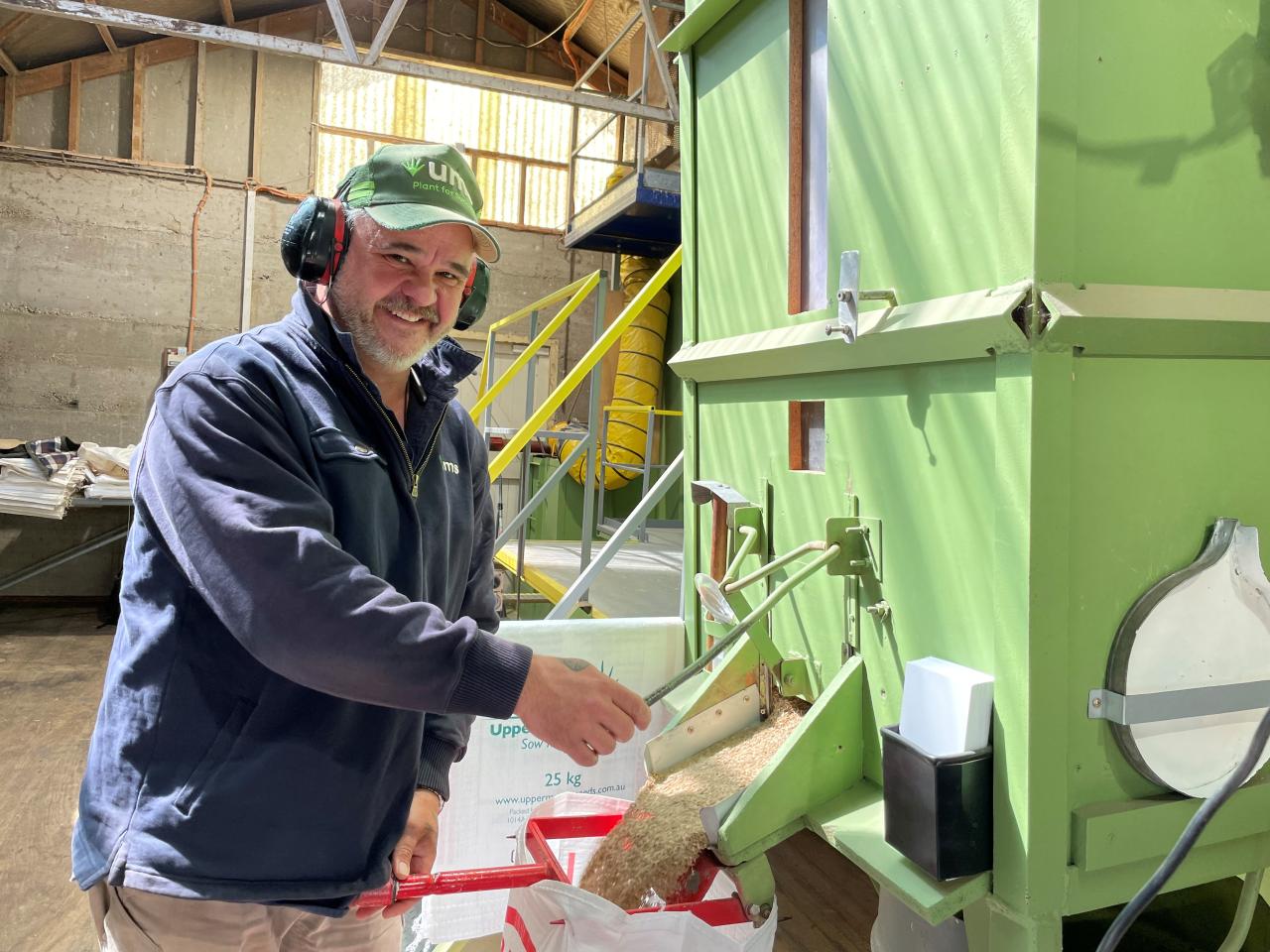
With UMS head office based in Albury, NSW, and seed growing sites throughout the country, the company has largely transferred its research, trial and temperate seed production operations to Tasmania, with an emphasis on developing market leading varieties which includes traditional ryegrass cultivars, deep rooted perennials and legumes that withstand climate extremes.
UMS Australian bred varieties are not only sold domestically, they are rapidly developing markets in places including Japan, South Africa, South America and throughout southern Europe.
Having a long family history of breeding and growing new and improved pasture cultivars, its latest iteration came about when Mr Sutherland and his wife Kate formed a partnership in 1993, registering the Upper Murray Seeds business in 1995.
“Our business was at the mercy of demand and price volatility, and our aim was to put some stability into our production volumes and pricing,” Mr Sutherland said.
“I think we’ve been pretty successful in that.”
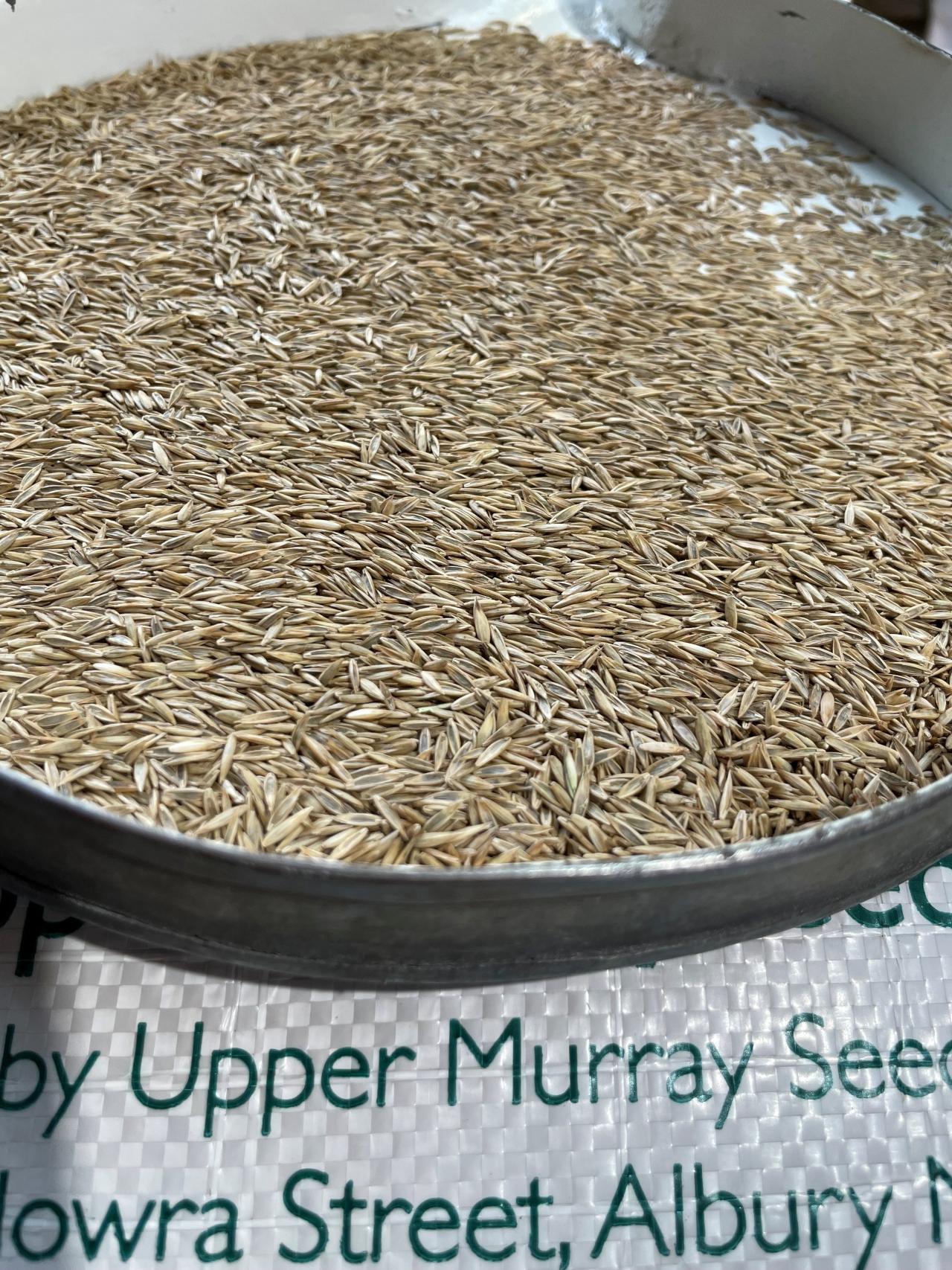
Initially Upper Murray Seeds grew early maturing varieties in the Holbrook region, then mid and late maturing varieties in the Upper Murray in NSW.
When it became obvious that climate change and weather extremes could affect the future of seed production in those regions, the decision was made to move further south.
Stewart and Kate visited Tasmania in 2009 and bought Burlington Farm at Cressy, employing a farm manager to oversee seed production operations.
Regular visits, and then the haven that was Tasmania during Covid, led to a decision to stay and then, as if the planets had aligned, the Cressy Research Station, just a few kilometres from Burlington, was advertised for lease by the Tasmanian Government.
With four daughters and two sons-in-law involved in the business, it wasn’t hard to convince two of their children to work in Tasmania too.
“All I needed then was to find an extraordinary person who was willing to set it all up and make sure everything from breeding to the grow-out trials was 100 per cent spot on – it’s about attention to detail,” Mr Sutherland said.
Mr Smallbon had been involved in agriculture his entire career, including in a seed production role and as a specialist onion agronomist for Field Fresh – while there he undertook a Masters in Plant Nutrition.
He later became the senior horticulturist for the Tasmanian Institute of Agriculture, based at the Mount Pleasant laboratories in Launceston and was very conveniently living in Longford when he was offered the opportunity to join UMS.
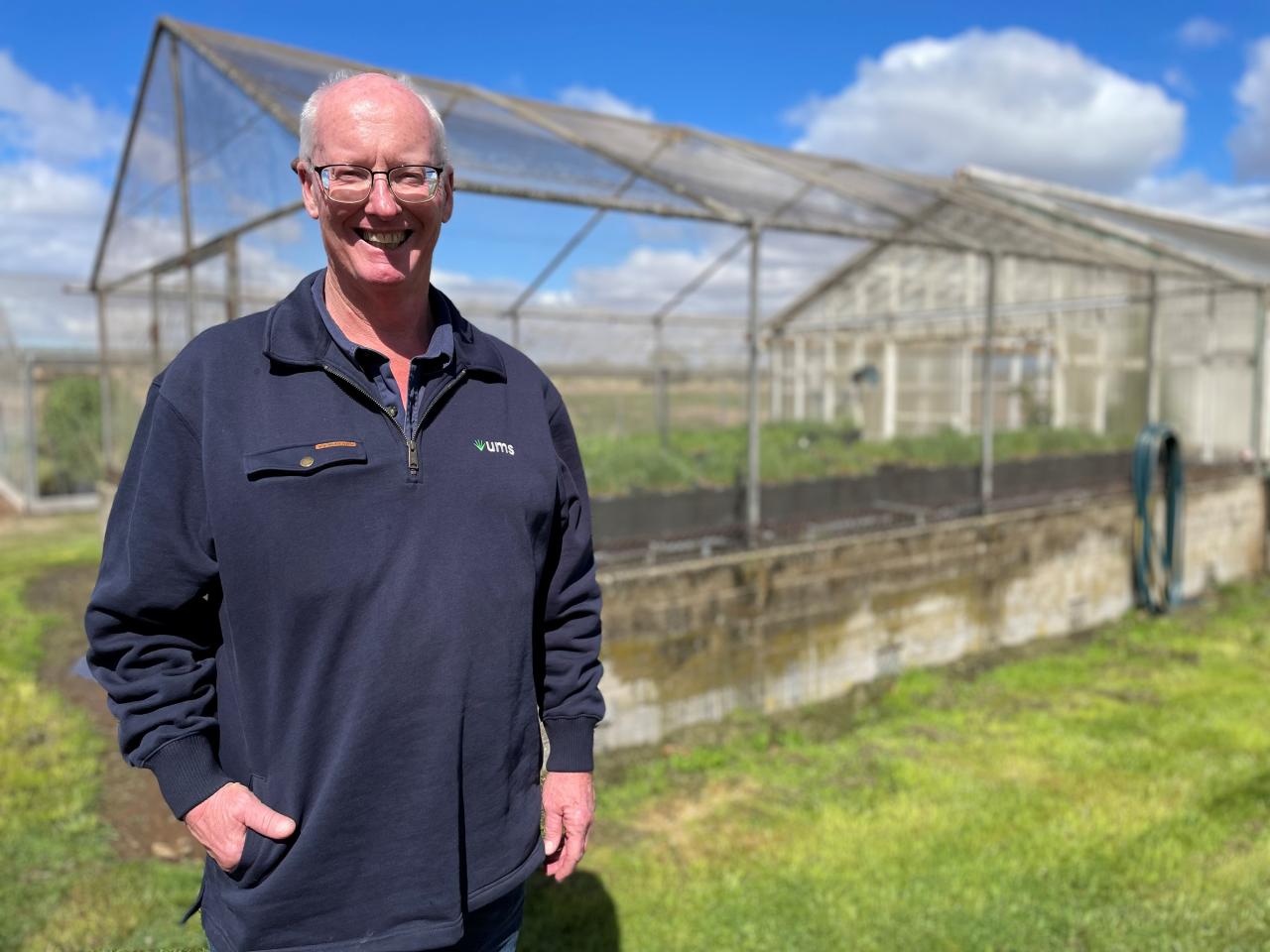
His background and interest in seed production, particularly in trial work, proved a good fit and he was ready for a family-orientated workplace and a new project.
“This place was a huge challenge,” he admitted.
“The site covers about 400ha and includes a lot of old buildings. We started our facility from scratch and have built four plant breeding nursery sites for early generation seed, to date.
“The buildings were run-down, and they’re challenging to work with given the low ceiling heights compared to requirements for modern machinery.”
With the aim of returning the facility to being a premier breeding and evaluation centre, significant investment from both UMS and the State Government has resulted in impressive improvements, allowing the development of new varieties and sharing of information.
“Recently we’ve replaced 1.5kms of weatherboards, used 900 litres of paint and converted an old workshop into a modern meeting room and education space,” Mr Sutherland said.
“The research station was dryland when it closed, however we’ve been able to tap into the water flowing past, installing pivots, underground mains and solid-set irrigation for trials on a wide variety of seed cultivars suited to all kinds of farming from beef and sheep properties to irrigated dairy farms.
“The entire process of breeding and developing new varieties takes place on the station. We start with the initial cross, proceed through evaluation, early seed bulk up, replicated dry matter trials, then proceed through to producing all early generation breeder, pre-basic and basic seed on the station. This seed is then used by our contract growers to produce that variety”.
The Sutherlands now have an interest in five businesses – Tooma Station where they started out, UMS, Burlington Berries, Burlington Farm and a bee pollination business called The Essential Hive – which they bought as security against any future verroa mite incursion to protect their berry farm.
Upper Murray Seeds marked its 30th anniversary in 2025 with the launch of a new name and brand identity with the shortened UMS title and a new positioning statement - “Plant for Success”.
“From where we started in the Upper Murray to where we are today, the journey has been incredible,” Mr Sutherland said.
“This next era is about building on that foundation and driving innovation through our leading Australian forage seed breeding program right here in Cressy.”


Add new comment