
Beekeepers concern over double threat to industry
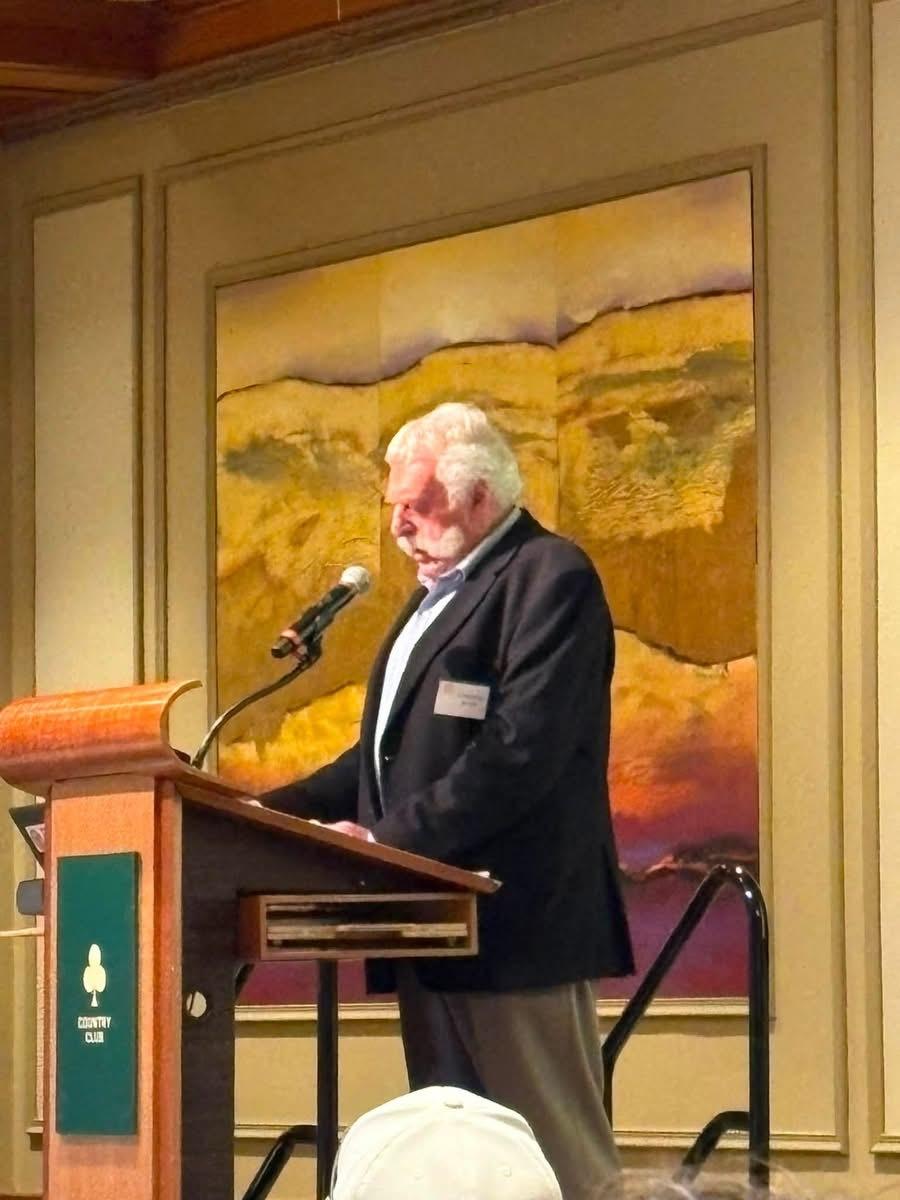
There were some grim discussions at a national conference for bee keepers in Launceston late last week, as delegates tackled some of the biggest threats ever experienced by the industry.
The threat of Varroa mite (Varroa destructor), which has now spread throughout eastern Australia, and the even more devastating and interconnected Deformed Wing Virus (DWV), which is still largely absent from Australia’s European honeybee populations, were both hot topics.
As a result more than 100 queen bee breeders, crop pollinators, honey packers and marketers from around the country who attended the Australian Honey Bee Industry Council (AHBIC) three-day conference, are jointly calling on state and federal governments to ramp up biosecurity, starting with a ban on unpasteurised, imported honey which could contain DWV.
The peak body also wants the Department of Agriculture and Fisheries to improve the testing regime for drone semen – another likely way DWV will infiltrate hives.
Lindsay Bourke, who stood down as president of the Tasmanian Beekeepers Association at its AGM on Saturday, said that only “clean honey” should be allowed into the country.
The mites act as a vector, and help spread DWV, and it’s the combined impact of the mite and the virus that typically causes global bee colonies to collapse.
“It’s only a matter of time before local bees get into some of that unclean honey when it’s been discarded at a tip or somewhere and take the disease back to a hive,” Mr Bourke said.
“Our government has a great plan to increase agriculture production but we’re struggling to keep up the demand for pollination now – last year I supplied 300 hives to another crop pollinator because he couldn’t get enough bees to do the job.
“I used to buy 1000 queen bees from NSW, 120 a week, but we can’t do that now because it’s too risky with Varroa mite, so we’re trying to breed our own but large pollinators struggle to breed enough to replace those that die over winter.”
The AHBIC also held its annual AGM on Sunday, with commercial beekeeper and co-owner of Goldfields Honey Australia, Jon Lockwood, voted in for a second term as chair.
At state level, Mr Bourke, 83, who has been president for 15 years, made way for the new guard, with Mick Palmer from Tas Crop Pollinators, based at Richmond, voted in to lead the executive.
Mick was also elected as an executive member on the national body and will give Tasmania a voice in Canberra.
Mr Bourke’s son Rod, who is a senior bee biosecurity officer for the NSW Government, was one of the guest speakers at the conference.
During his presentation he outlined the massive fight ahead for Tasmania based on experience in New South Wales with the Verroa mite incursion.
He said that NSW bee keepers, especially the commercial producers, are finding it hard to keep healthy bees since Verroa was discovered in June, 2022.




Add new comment