
TasFarmers Matters - Rushy Lagoon opposition backed by evidence
At this moment, the need for advocacy and a united farming voice has never been greater.
Rushy Lagoon is one of those issues that will be remembered by Tasmanians for generations.
It has reached the point where the prevailing public view is that the decision to use taxpayers’ money to support a foreign buyer was the wrong one and not in the national interest.
This week we pushed back against claims that the project will create 190 new jobs, on the basis that plantation forestry typically sustains only a handful of ongoing positions.
Nobody can deny there is no social licence. TasFarmers’ independent survey of 329 respondents found that 98 per cent opposed the sale and the use of public money, while 81 per cent believed it would have a negative impact on local communities, jobs and services.
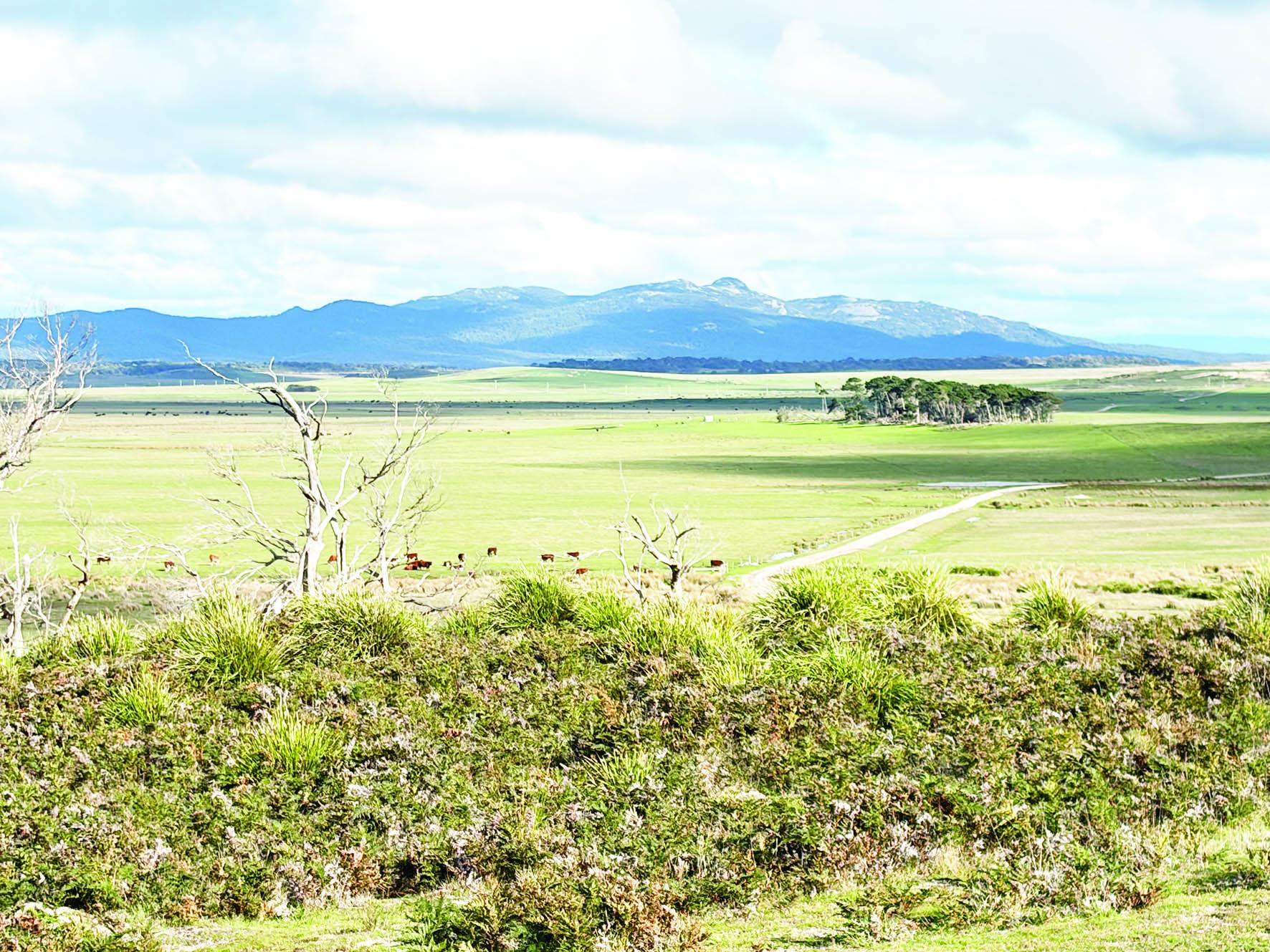
We understand the science indicates that converting grasslands to pine plantations could reduce water yield across the catchment by up to 40 per cent, threatening the property’s Ramsar-listed wetlands and downstream water users. At the same time, a taxpayer-backed purchaser, contrary to free market principles, distorts the market and locks out local farmers.
The $69 million of taxpayer funding used to underwrite the deal has never been adequately explained before the sale was approved. Likewise, the perceived conflict of interest surrounding the FIRB and CEFC assessment process remains unanswered.
If we are to achieve what is right and just for the farming community, advocacy is how we champion good policy, challenge poor policy decisions, ensure the mistakes of the past are not repeated, and clear the path for a prosperous future.
The purpose of advocacy is to influence policy, stakeholders and key audiences to address the issues and needs of a constituency in pursuit of a better outcome. TasFarmers’ role in any debate is to present a strong case, supported by sound evidence, credible statistics and robust data.
It is difficult to take seriously any government that hides behind secrecy while claiming we are spreading misinformation. We seek to provide high quality, evidence-based information that builds credibility and trust by doing the right thing.
Our effectiveness is founded on a clear sense of purpose, rigorous examination of the issues, and intervention guided by our members, our council and committees, and the rural and regional communities we represent.
To be successful, we seek a bipartisan approach to agriculture and aim to work collaboratively and respectfully with all sides of politics. However, that requires politicians to genuinely listen.
Rather than becoming defensive when confronted with strongly held community views, politicians need to listen first and then speak up for the people they were elected to represent. History has shown that failing to listen leads to dramatic political shifts. In the UK widespread dissatisfaction with political institutions was one of the driving forces behind Brexit. Politicians and large corporations cannot rely on a “tick the box” consultation process when they are acting contrary to public opinion.
They need to stop, consult early, and genuinely understand the will of the people before decisions are made.
If they fail to do so, confidence in our democratic institutions will continue to erode, leaving more Australians feeling disenfranchised by the political system.




Add new comment