
Chris pushes out pyrethrum world record
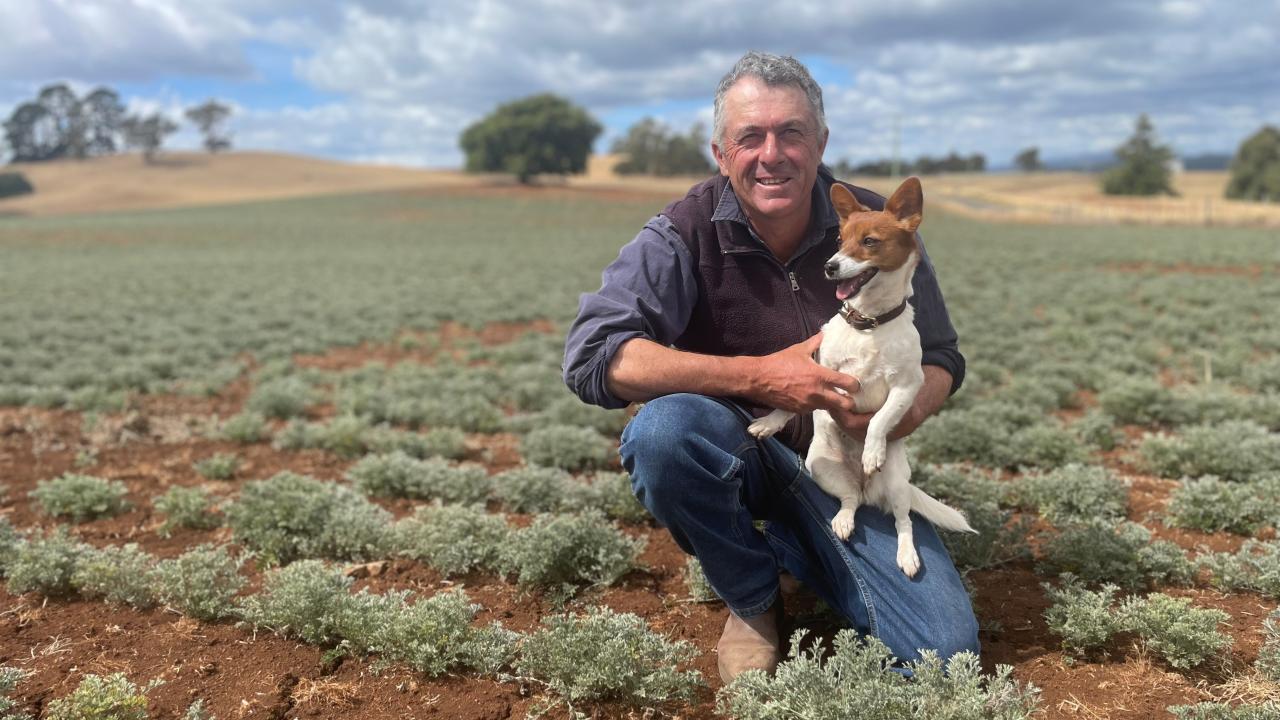
Chris Rockliff of Sassafras has smashed the 100kg per hectare aspirational benchmark for a pyrethrum crop to set a new world record and become Botanical Resources Australia’s top grower.
This year BRA had more than 40 growers who achieved results over 100kg of active pyrethrins per hectare with Mr Rockliff’s yield result of 139.83kg of active per hectare a standout.
Not only has he achieved a result 20kg per hectare above the record set last year, Mr Rockliff also had the second top yielding site this season on his Sassafras-based farm.
“I’ve never achieved 100kg before – last year it was 94.7 - but that’s always been my goal and I can’t believe I’ve done it,” Mr Rockliff said.
“There’s a lot of luck involved with the weather, but I’d like to think that irrigating three times, including once right before flowering, helped it along.
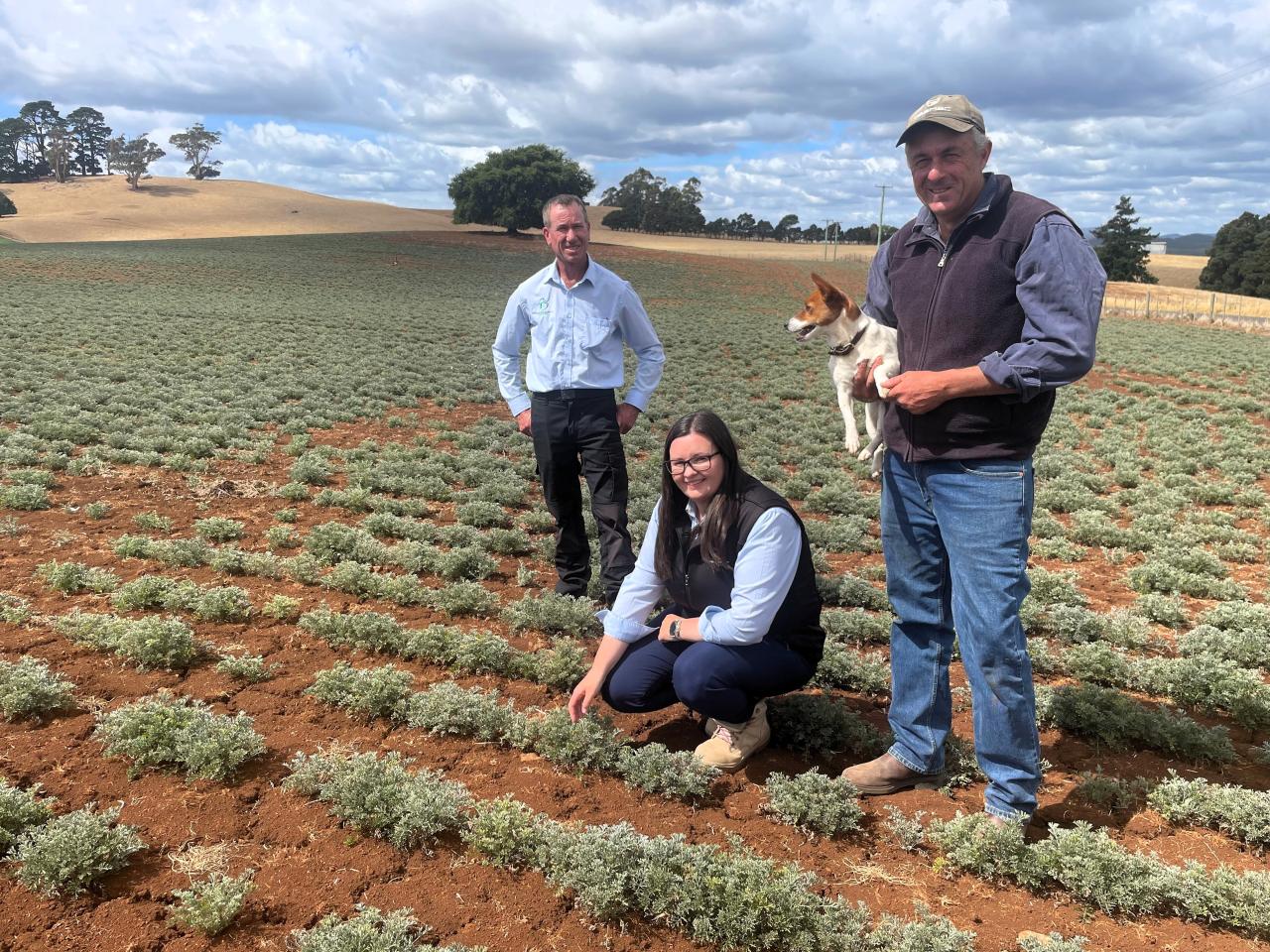
“I’m also grateful for the advice from my agronomist Sam Baldock and having a spray contractor like Peter Gleeson who knows when things need doing and gets the job done.”
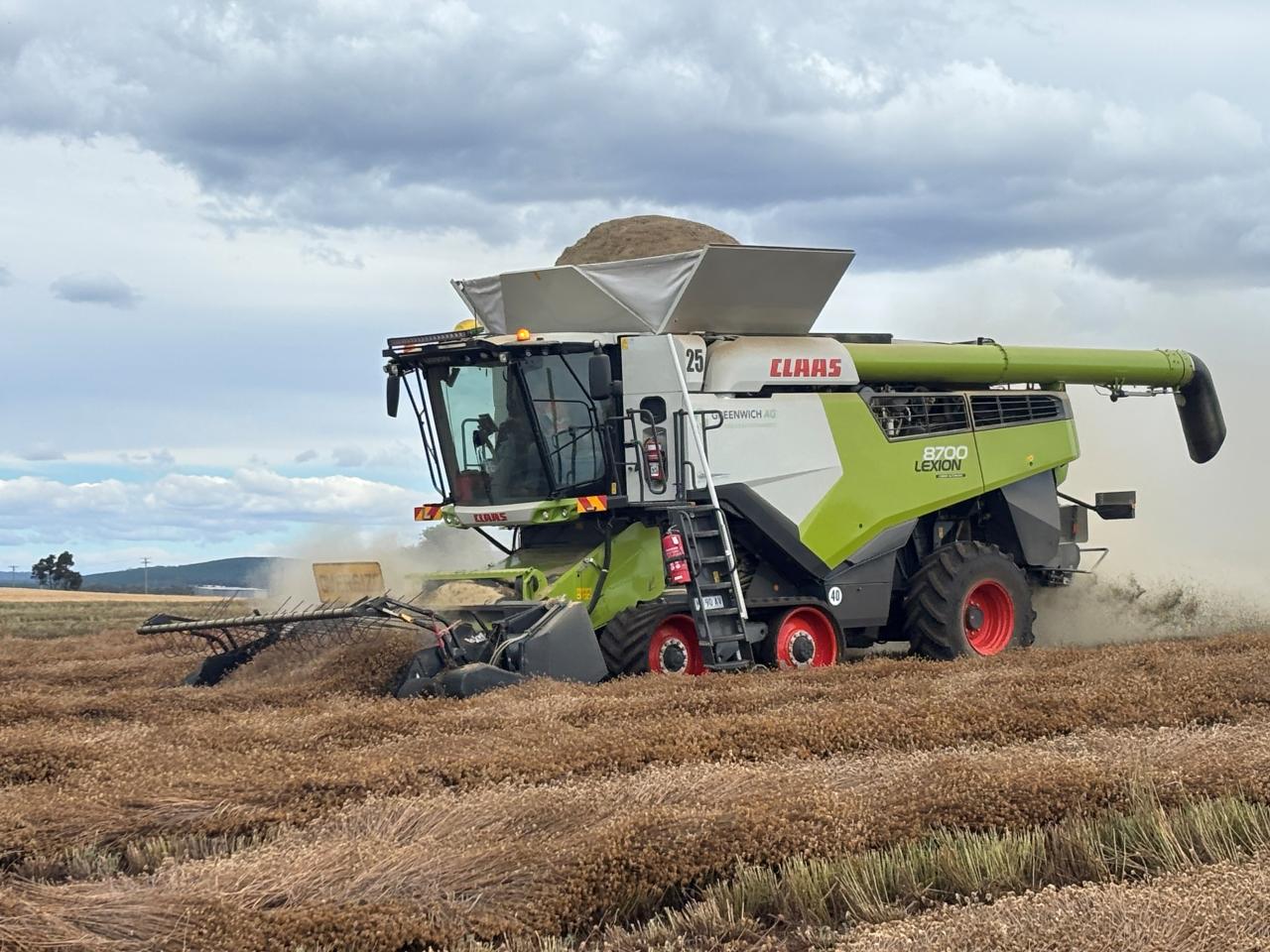
The bumper yield is a case of too much of a good thing, however, with BRA flagging it won’t require the second crop from the current harvest, but anything planted last year will be taken through to harvest as well as crops planted for the 2028 harvest.
Pyrethrum is extracted from the dried heads of a flowering daisy to make natural insecticidal compounds (pyrethrins), widely used in insecticides.
Most of Australia’s pyrethrum is grown in north-west Tasmania and an estimated 3000 hectares of pyrethrum, one of the few perennial crops in the state, has now been harvested, albeit several weeks later than usual.
BRA pyrethrum production manager Mark Raspin said that the yields have been very strong this season and there would be a lot of happy growers with both yield and income from pyrethrum.
“It is the business’s highest ever intake of tonnes from the field in history and the pyrethrin oil content has also been at a high level,” he said.
“For this season there were two post-harvest sites that achieved yields over 100kg/ha which is a first for the industry.
“The top post-harvest site was grown in North Motton and achieved a yield of 105.6kg/ha which has also created a new yield record for post-harvest sites.
“A few years ago, we had achieved a few yields above the 100kg/ha range. In the past two years we have seen over 50 results above the 100kg/ha range.
“The seasons have been kind in recent years and have complemented our plant breeding and improvements in agronomy management and logistics.”

Surveying the remaining pyrethrum stubble and a new crop on his farm with his appropriately named dog Daisy, Mr Rockliff said that the dry summer had been well suited for harvesting.
“We started growing pyrethrum in the mid-90s and had a few reasonable results until one spring when the temperature dropped to minus 8 and the crop was lost to frost.
“No amount of irrigation or burning bales around the paddock could save it and I gave it up – I thought we must have been too far inland to grow it.”
Mr Raspin eventually convinced him to give it another go.
“The only thing we can’t control is the weather, and when you’re looking at a 15-18 month growing period, basically growing through two springs, the exposure risks are longer,” Mr Raspin admitted.
“But it’s proved to be a valuable crop for many growers and really, weather can affect any crop, which is why it’s important to diversity.
“Luckily we’ve had mild springs and cool, dry growing conditions encouraging prolonged flowering and giving us the better results.”
Mr Rockliff, one of the few farmers who doesn’t grow potatoes at Sassafras, has had both pyrethrum and poppies as his core crops for many years and he also runs some breeding ewes.
He has access to the Sassafras Wesley Vale irrigation scheme that is currently being replaced right outside his farm gate.
The pyrethrum is pelletised to give it stability and then fed into three extraction plants in the north-west along with pellets from a Victorian mill.
What comes out as a black, sludge-like product is further refined to remove waxes to produce a golden oil that is used widely to deter pests in storage facilities and as a safe insecticide on high-value crops.




Add new comment