
Tasfarmers backs State Growth overhaul
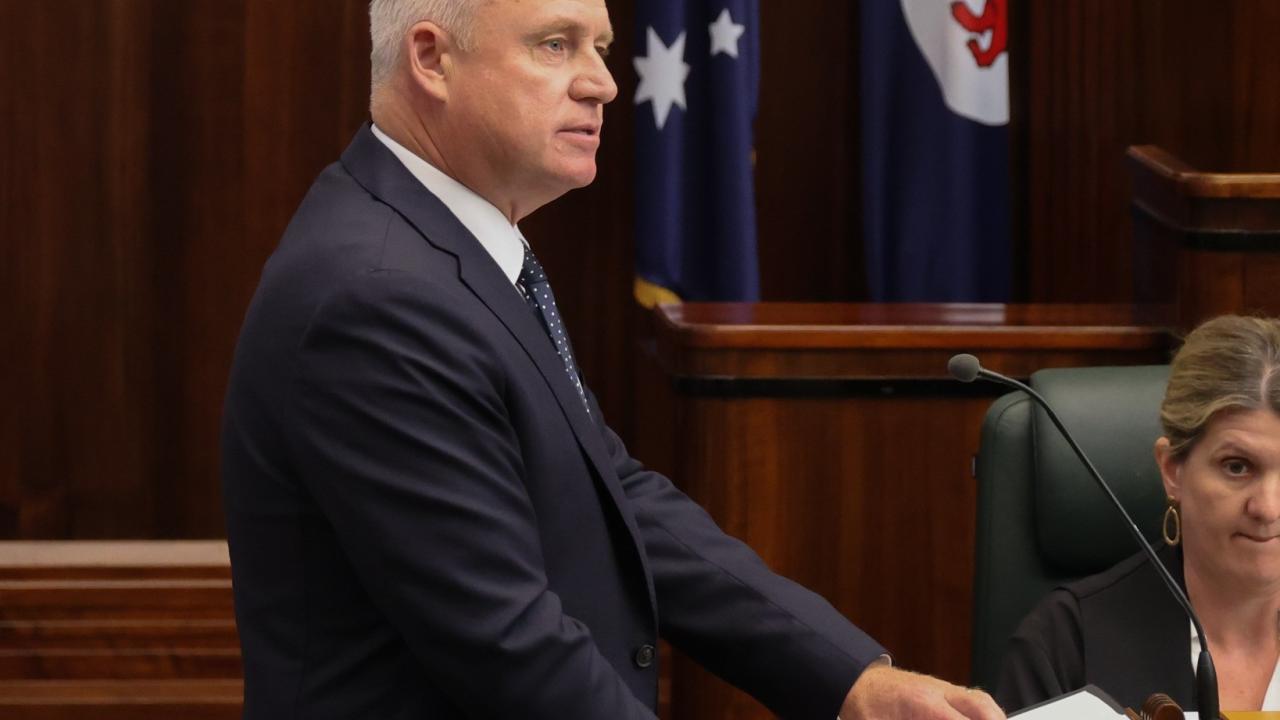
The Department of State Growth will be abolished and replaced by a new Department of Building Tasmania, under changes to the state bureaucracy announced by Premier Jeremy Rockliff in his 2026 State of the State address.
The new Department of Building Tasmania will be charged with delivery of housing, roads and infrastructure, including the reincorporation into the State Service of Housing Tasmania.
Building Tasmania will be overseen by Infrastructure Minister Kerry Vincent, with current Deputy Secretary in the Department of Premier and Cabinet, Shane Gregory, to be the Acting Secretary.
Current Secretary of State Growth, Craig Limkin, will go on leave from March 7.
The changes will see the loss of around 250 full-time equivalent roles from the State Service.
The Premier said that the economic functions within the Department of State Growth will be “realigned” with his government’s 2030 Strong Plan, including what he described as a “new Economic Development entity” to keep driving our growth agenda.
Another new entity incorporating Tourism, Events and Creative Tasmania will also be established.
TasFarmers has backed the Tasmanian Government’s decision, warning the restructure must deliver practical gains for regional communities.
TasFarmers president Ian Sauer said the former department had grown too large and complex, slowing decisions across key productive sectors and frustrating regional investment.
“The Department of State Growth had outlived its usefulness,” Mr Sauer said.
“Layers of bureaucracy were delaying essential projects, holding up freight solutions and adding cost to businesses already under pressure.
“This is the Government’s opportunity to cut red tape, strip out duplication and redirect resources into the roads, ports and infrastructure farmers rely on every day.”
TasFarmers said any savings from the overhaul must be reinvested into frontline priorities that directly strengthen regional Tasmania and the agricultural economy.
“Structural reform only counts if the dividends are returned to the regions,” Mr Sauer said.
“That means safer regional roads that can handle higher productivity vehicles, reliable and efficient ports, more housing to attract and retain workers, and properly resourced rural hospitals and schools.
“These are not optional extras. They directly shape farm productivity, freight efficiency and business confidence.”
TasFarmers said a clear and disciplined transition plan is critical to ensure projects, approvals and funding programs continue without interruption.
“Our biggest concern is that the next six months becomes consumed by internal reshuffles rather than delivery,” Mr Sauer said.
“Farmers operate to seasonal windows. Construction projects have tight timeframes. Investors need certainty.
“Tasmania cannot afford a slowdown while agencies reorganise.”
The organisation said the success of the new department will hinge on stronger accountability and clear ministerial ownership of decisions.
“There must be a single, transparent line of responsibility,” Mr Sauer said.
The Department of State Growth was established by the Hodgman Liberal Government when they were first elected in 2014, through a merger of the then Department of Infrastructure, Energy and Resources, and the Department of Economic Development.
Increasingly, one of the criticisms of the Department of State Growth has been that it has grown unwieldy, with as many as six Ministers at any one-time having portfolio responsibility for parts of the Department.
The Premier said that Building Tasmania will be a “delivery-focussed” department.
“It will supercharge delivery of the housing, the roads, the infrastructure our state needs to be fit for the future,” Premier Rockliff said.
“These changes will ensure the state service is best able to support Tasmania and Tasmanian businesses with an agile, streamlined and client-centred focus.
“The reshaping of the state service will ensure the appropriate right sizing of the organisation with a reduction in headcount in line with our election commitment.
“It will help improve the budget, freeing up more than a quarter of a billion dollars.
“Most importantly, it will help build a more effective and productive state service.”
The changes were welcomed by the business community, with Tasmanian Chamber of Commerce and Industry saying that it was a positive first step and reflected longstanding concerns raised by the TCCI.




Add new comment