
Company hoping to transport freight across Bass Strait with drones
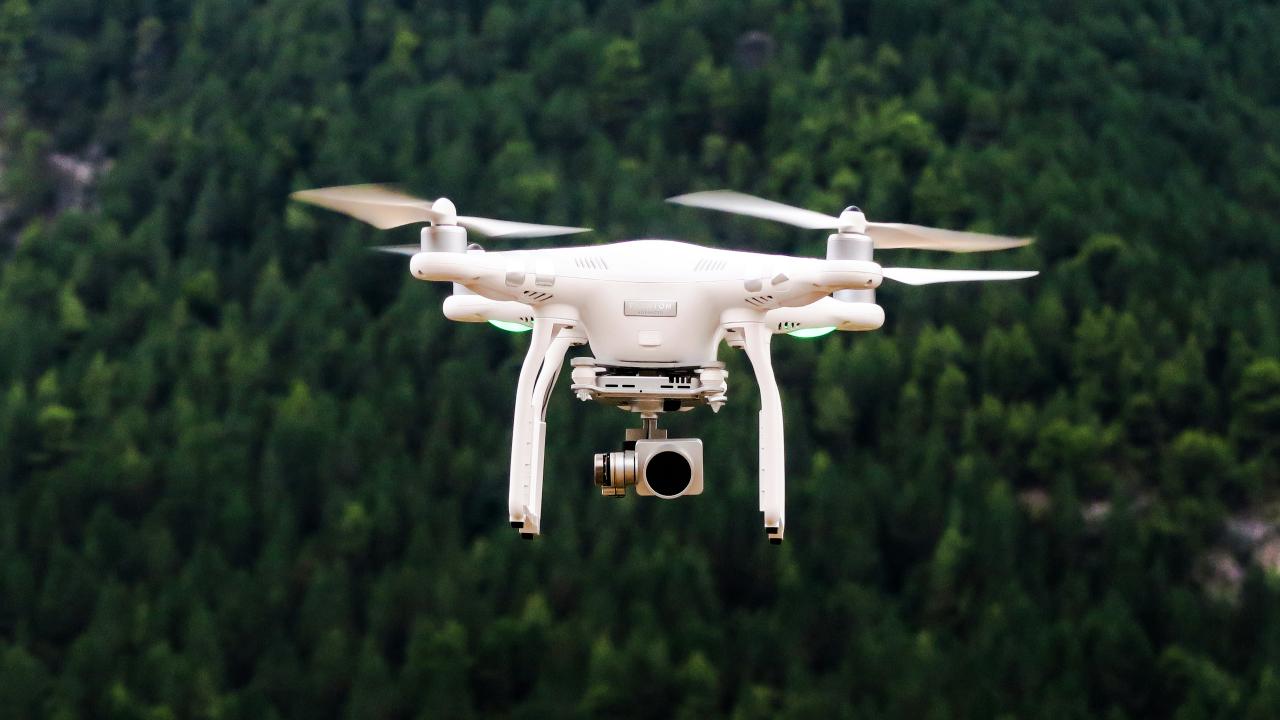
A Tasmanian startup says it is exploring a new approach to freight delivery across Bass Strait using long-range cargo drones, with King Island identified as a core part of the proposed network.
Albatross Drone Freight is developing a concept for a vertical take-off and landing (VTOL) drone freight system linking Burnie, Flinders Island, King Island and Melbourne through six bidirectional air corridors.
Company director Isaac Ervin said the proposal is aimed at improving the movement of urgent or high-value freight between the Bass Strait islands and mainland Tasmania and Victoria.
“King Island is a core part of our network, not an afterthought,” Mr Ervin said.
The aircraft being evaluated would carry payloads of between 50 and 100 kilograms, with cargo volumes of about 100–300 litres per flight. The company says this could include medical supplies, prescription medications, spare parts, premium produce and other time-critical goods.
Albatross is currently assessing hybrid fixed-wing VTOL drones in the 300-kilogram maximum take-off weight class, designed for long-range maritime operations. The aircraft under consideration would operate at cruise speeds of around 100–120 km/h with a range of more than 150 kilometres at full payload.
The drones would use a hybrid power system combining battery power for take-off and landing with a petrol-driven generator that recharges batteries during flight. Mr Ervin said this approach addresses the limitations of purely battery-powered drones, particularly in the challenging weather conditions of Bass Strait.
“Battery power handles the vertical take-off and landing phase, which is the most energy-intensive part of the flight,” he said.
“Once airborne and in cruise mode, the aircraft transitions to a petrol-hybrid system where a generator recharges the batteries continuously in flight.”
The company says the aircraft being considered are rated for Level 6 wind conditions, with Bass Strait weather a central consideration in the selection process.
Mr Ervin emphasised that the project remains in its early development stage, with market validation, regulatory engagement and aircraft selection currently underway.
“We are an early-stage startup and we won’t pretend otherwise,” he said.
“There will be cynicism from residents about whether it’s real, viable or the evolution of something new that’s real. We understand that.”
The company is currently running a community survey across northwest Tasmania and the Bass Strait islands to gauge demand, with Mr Ervin saying early responses from King Island residents have been encouraging.
Cargo drones are already being used in specialised logistics roles around the world, including medical supply deliveries in parts of Africa and mail trials between remote islands in Scotland. Drone operators have also delivered spare parts and equipment to offshore energy platforms in the North Sea. However, aviation analysts note that regular commercial freight networks across open water remain largely experimental, with weather, regulation, payload limits and operating costs still key hurdles.
Commercial drone freight operations in Australia would require approval from the Civil Aviation Safety Authority, including authorisation for beyond-visual-line-of-sight (BVLOS) flights over water.
Albatross said its aircraft would operate using pre-programmed autonomous flight systems, with routes planned in advance while ground operators monitor flights remotely. Navigation, detect-and-avoid systems and automated return-to-base procedures would be handled onboard if communication is lost or power falls below safe levels.
If the concept proves viable, the company plans to begin operations with a single aircraft before expanding to a fleet of six to ten drones.
Albatross is currently in a pre-funding stage, with discussions underway with potential investors and strategic partners.
Mr Ervin said the company is targeting a first demonstration flight within 12 to 18 months, subject to completing the market validation phase, finalising aircraft selection, securing funding and progressing through CASA’s regulatory approval process.
“We won’t put a public date on it until we can back it up,” he said.
“King Island residents deserve a commitment we can actually keep, not an optimistic guess.”
The company says it welcomes community feedback as it continues testing whether the concept could provide a practical supplement to existing freight services across Bass Strait. More information and research survey link can be found on the Albatross Freight Facebook page.




Add new comment