
EID: From Compliance to Performance
[SPONSORED CONTENT]
For most producers, EID started as something that simply had to be done. It was about getting tags in, meeting requirements, and making sure everything lined up properly. Once that was sorted, the expectation was that the system would just take care of itself.
But once you start using it day to day, it becomes clear that compliance is only the starting point.
What really matters is how well the system performs when you’re working stock. How smoothly animals move through the yards, how consistently tags are read, and how often you have to stop and fix something that didn’t quite go right. Those are the things that define whether the system is actually working for you.
A lot of that comes back to the basics. Tags need to stay in and remain readable over time, not just on the day they’re applied. If tags start coming out early or become difficult to read, it creates extra work that usually shows up later, when you’re already under pressure.
For cattle operations, that often comes down to using a tag that can handle pressure in the yards and still hold over time. Tags like the Z2 No Tear range are designed with a secure locking system and materials that flex with the animal, helping reduce early loss and minimise ear damage when applied correctly. In practice, that means fewer animals needing to be run back through to fix something that should have been right the first time.
Application is just as important. Using the right applicator helps ensure tags are seated properly and consistently, which has a direct impact on how they perform later. The Z2 No Tear Tagger is designed to make that process more reliable, with a flick-out pin and double-action mechanism that helps improve placement and reduce issues that can show up weeks down the track.
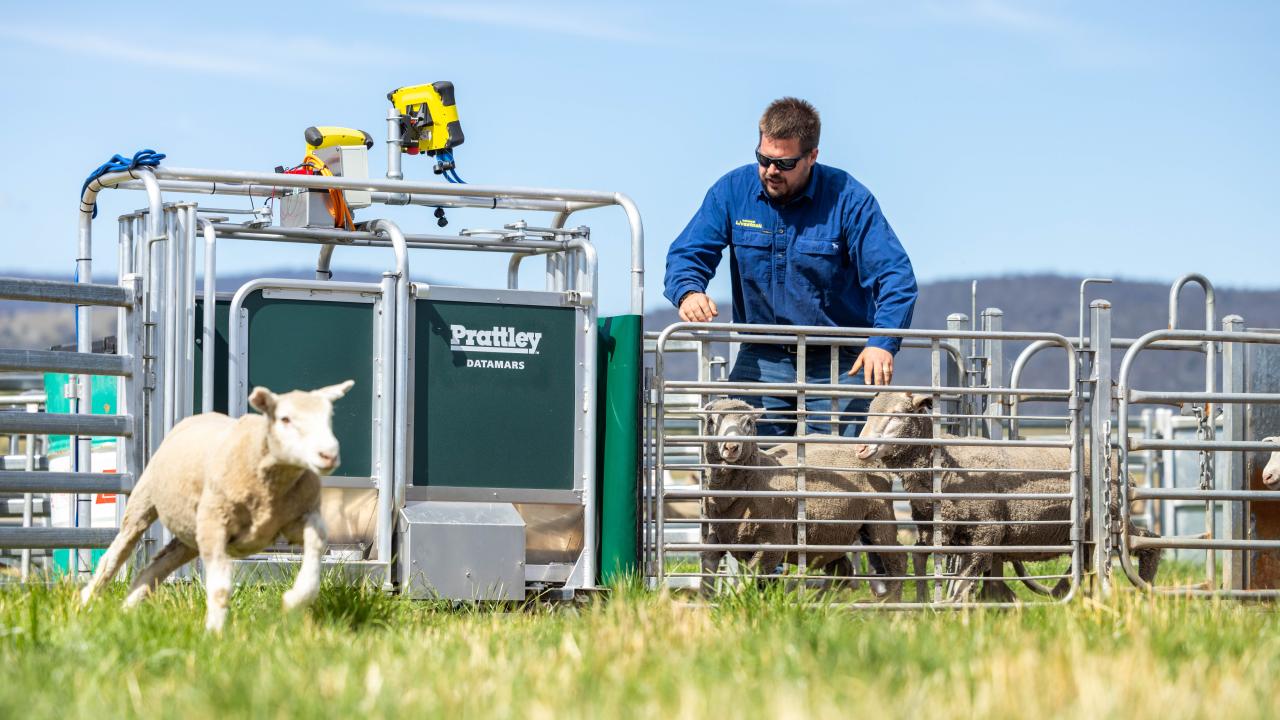
For sheep producers, the challenge is often different. It’s less about individual application and more about getting through numbers efficiently while maintaining consistency. That’s where systems like TagFaster come into play. With pre-loaded strips and a multi-shot applicator, it allows tagging to keep moving without constant stops, which becomes especially valuable during marking or when working through larger mobs.
At the same time, consistency still matters. Even at speed, tags need to be applied cleanly so they sit properly and perform as expected later, particularly when scanning becomes part of the process.
Once EID is part of the system, it’s not just about whether the tag is there, but how well it works when you need to read it. Tags that twist, sit awkwardly, or weren’t applied consistently can slow things down in the yards. It’s not always obvious at the start, but over time it shows up in how smoothly you can move through stock.
Even with the right gear, though, the way everything is set up still matters. Every operation is slightly different, and small variations in yard layout, handling style, and conditions can influence how well a system performs.
That’s where having someone local who understands those differences can make things easier.
In Tasmania, Datamars’ Territory Manager Tyler Geist works directly with producers to help get that setup right. Whether it’s working through cattle tagging with the Z2 system or helping optimise sheep tagging with TagFaster, the focus is on making sure everything performs properly in practice. Often it’s small adjustments that improve consistency and reduce rework over time.
Another part of the system that becomes more noticeable once you’re relying on it is timing. Tagging doesn’t happen whenever it suits; it happens when there’s a window to get the job done. If tags aren’t available when needed, it can delay the whole process and create unnecessary pressure.
Reliable turnaround helps remove that uncertainty. Knowing tags will arrive when expected allows you to plan properly and get on with the job without having to work around supply issues.
In the end, EID compliance is only the starting point. What makes a difference day to day is how well the system performs under real conditions, when there’s pressure to keep things moving and no time to fix avoidable issues.
When the tag, the applicator, the setup, and the support all work together, tagging becomes something that runs in the background rather than something that interrupts the job.
To learn more about the Z Tags range and how it can support your operation, visit www.ztags.com


Add new comment