
Grange Hill Farm ramps up Highland cattle breeding program
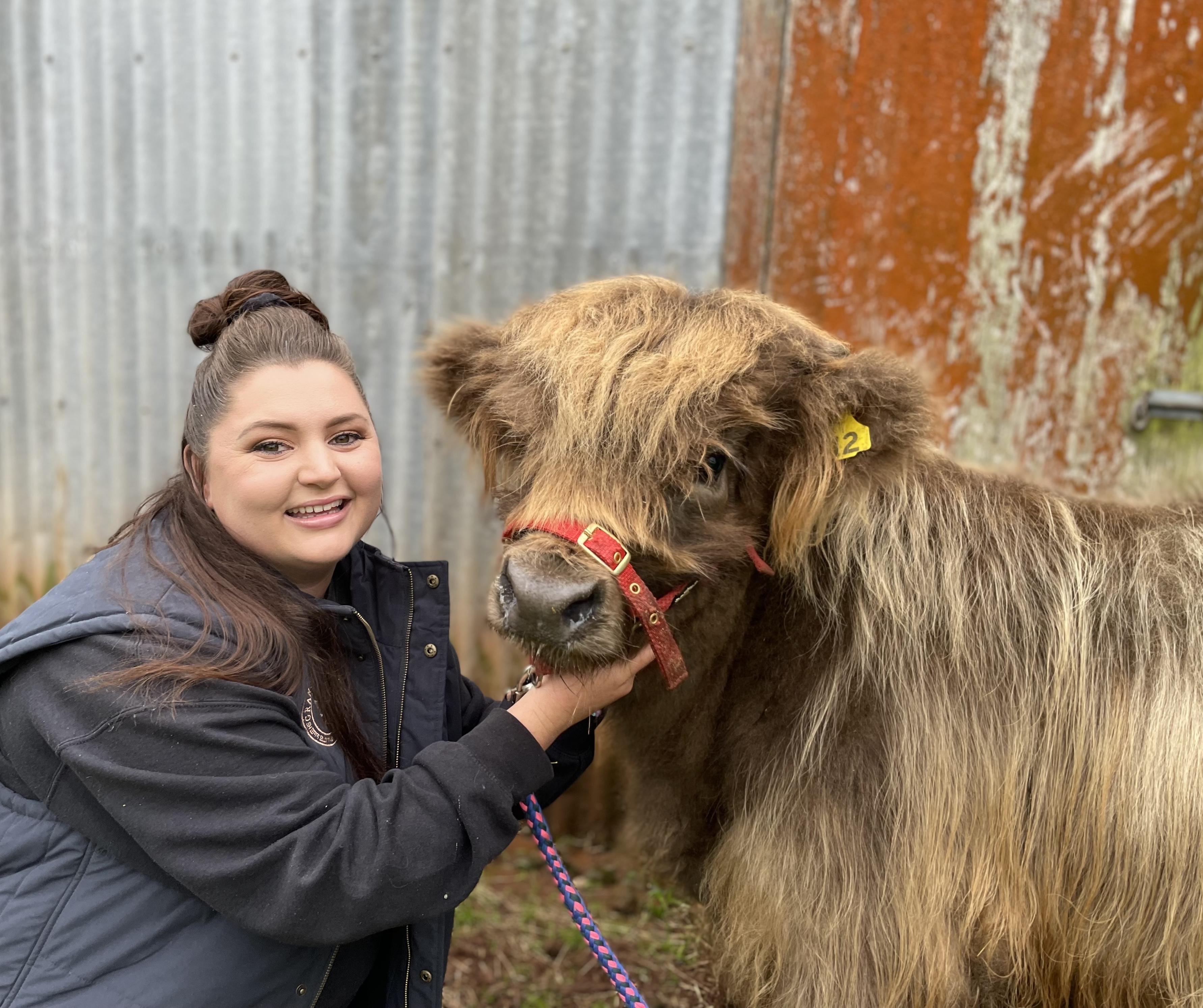
At Grange Hill Farm the Highland cattle emerge from the fog in the Lower Barrington hills like a scene out of Scotland.
Their short legs, shaggy coats and long horns make them instantly recognisable as they trot towards the farmhouse for a feed.
For David Roberts and his daughter Tameka the special characteristics of Highlands make them appealing, but it was their good looks that won their hearts.
“My wife Catriona and I both worked on cattle farms in Queensland and when we moved to Tasmania in 2012 we bought three purebreds, just because we loved to see them in the paddock,” David said.
“Later we crossed them with Murray Greys to meet the industry preferences of no horns and less coat while maintaining their lovely carcass traits.
“For the next eight years we concentrated on producing commercial stock but when Tameka and the grandkids moved back here from interstate and she said she was keen to get involved the decision was made to go back to purebreds.”
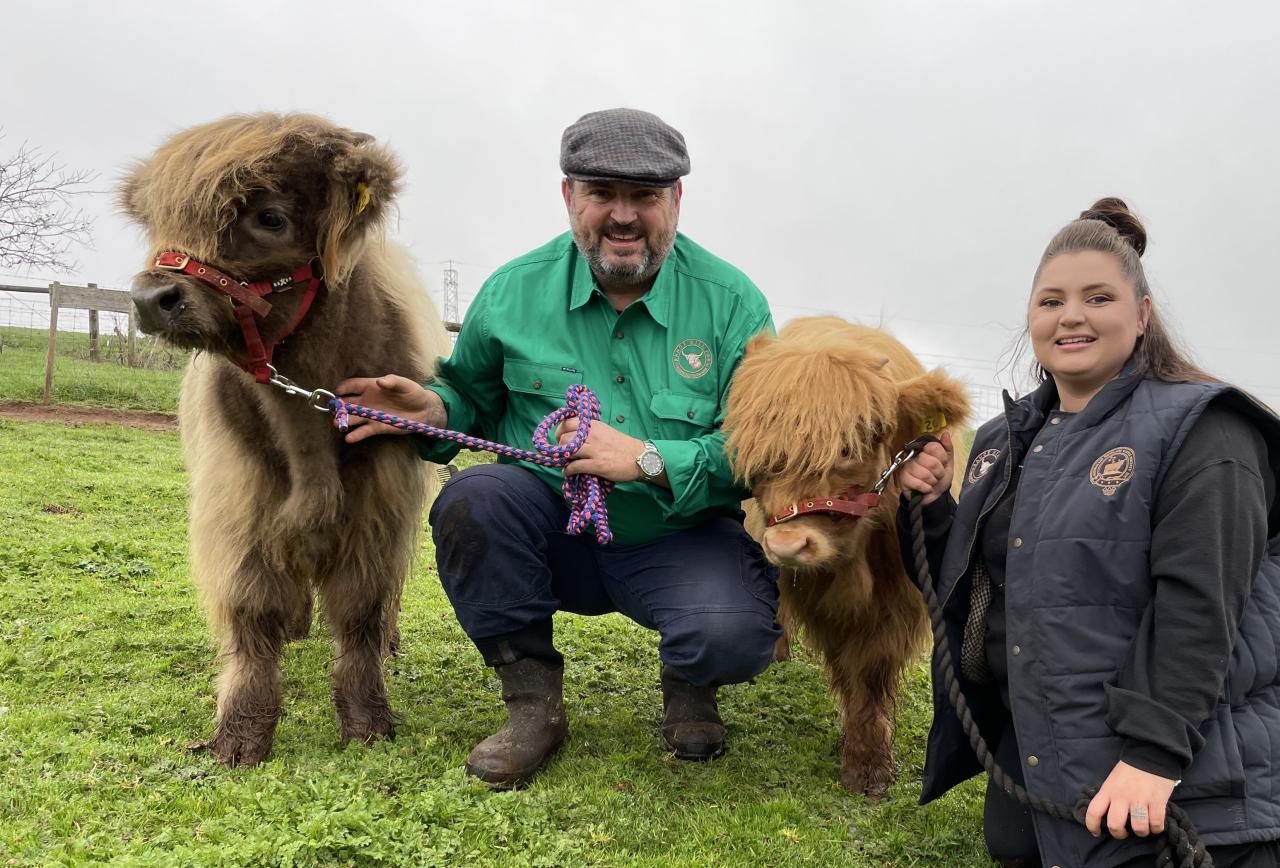
Tameka studied psychology and nursing but with young children and a love of country life she was far happier with a decision to get involved with breeding the dual-purpose cattle.
She has led the charge to improve the genetics of the herd of 20 and boost their profile in breeding circles as the popularity of Highlands for homesteaders and hobby farmers continues to grow.
“We’re excited that this is the second year of artificial insemination using fully imported bloodlines,” Tameka said.
“They have traits that will complement the girls we’re already using and it’s a way to save the DNA of our best cows.
“We showed our cattle for the first time this season and were pleased to pick up a third with Sorcha in Senior Heifer at Royal Hobart Show and then Champion Senior at Circular Head Show, while Bethag won junior heifer.”
This week the next generation started being broken to halter in readiness for next show season - a process that is relatively simple due to their quiet nature.
Tameka even allows one of her daughters, who has always wanted a pony, to ride around on one of the cows.
“The origins of the breed is for both meat and milk and if you’re using them on a homestead they need to integrate easily with people, to tether for milking and really, you can’t afford to have a cranky cow when they’ve got horns like these,” David said.
“Other qualities that buyers appreciate are their ability to be great mothers and easy calving.”
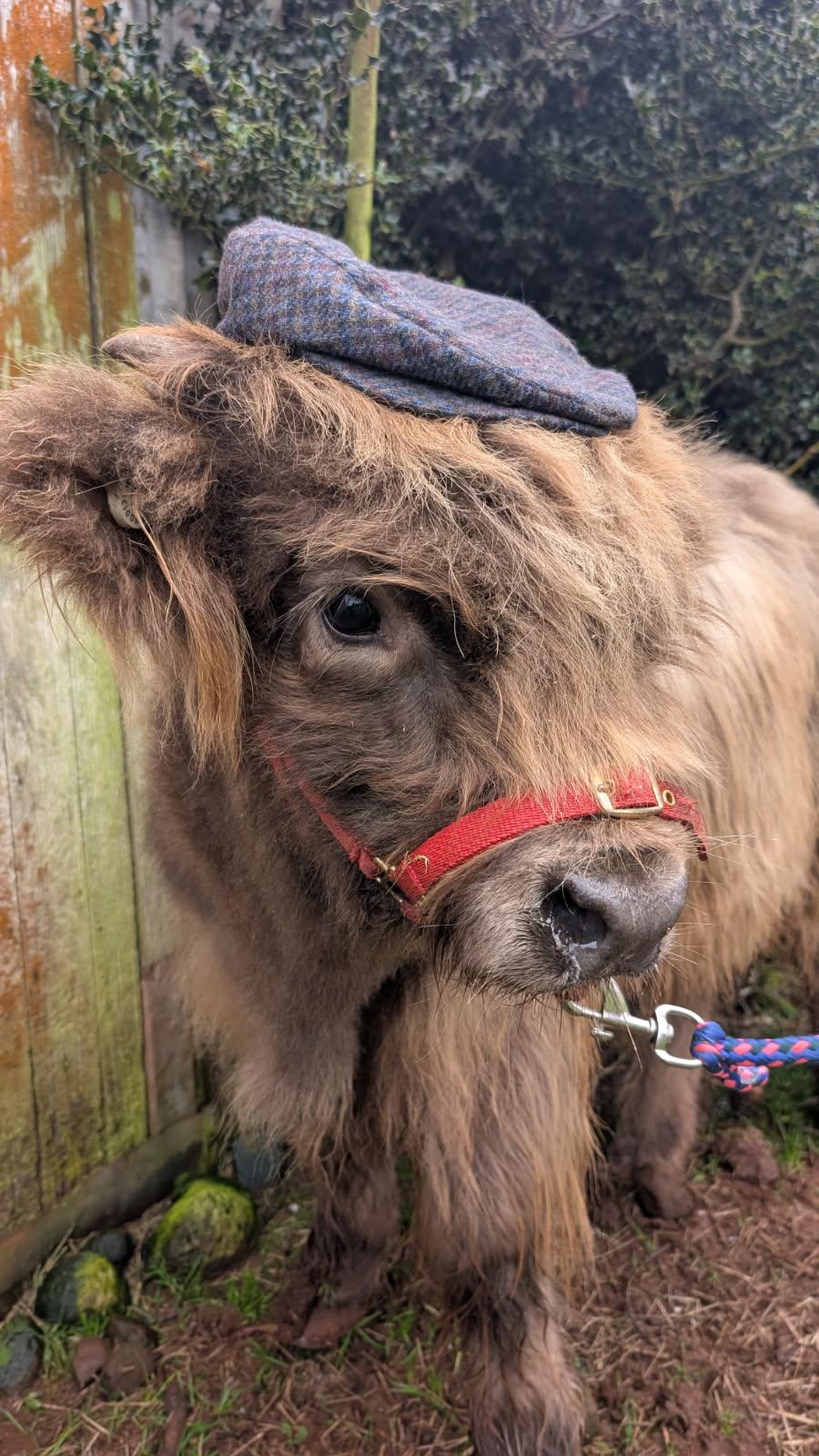
Their rich milk has more than double the butterfat of Jerseys and Friesians although their milk production is not as high.
The Roberts sell their limited amount of beef to a small but loyal customer base with some buyers travelling from as far as Hobart.
“They’re just beautiful, affectionate cattle and they really bring a lot to the table – meat, milk, good temperament, even their hides and horns, which we process – nothing is wasted.
Quality registered stock would be around $10,000 although the best cattle fetch closer to $20,000.
A Highland group is not called a herd - it’s a fold – and while cow is the common title, breeders prefer coo.

Add new comment