
Hay season expected to be bountiful, but with a twist
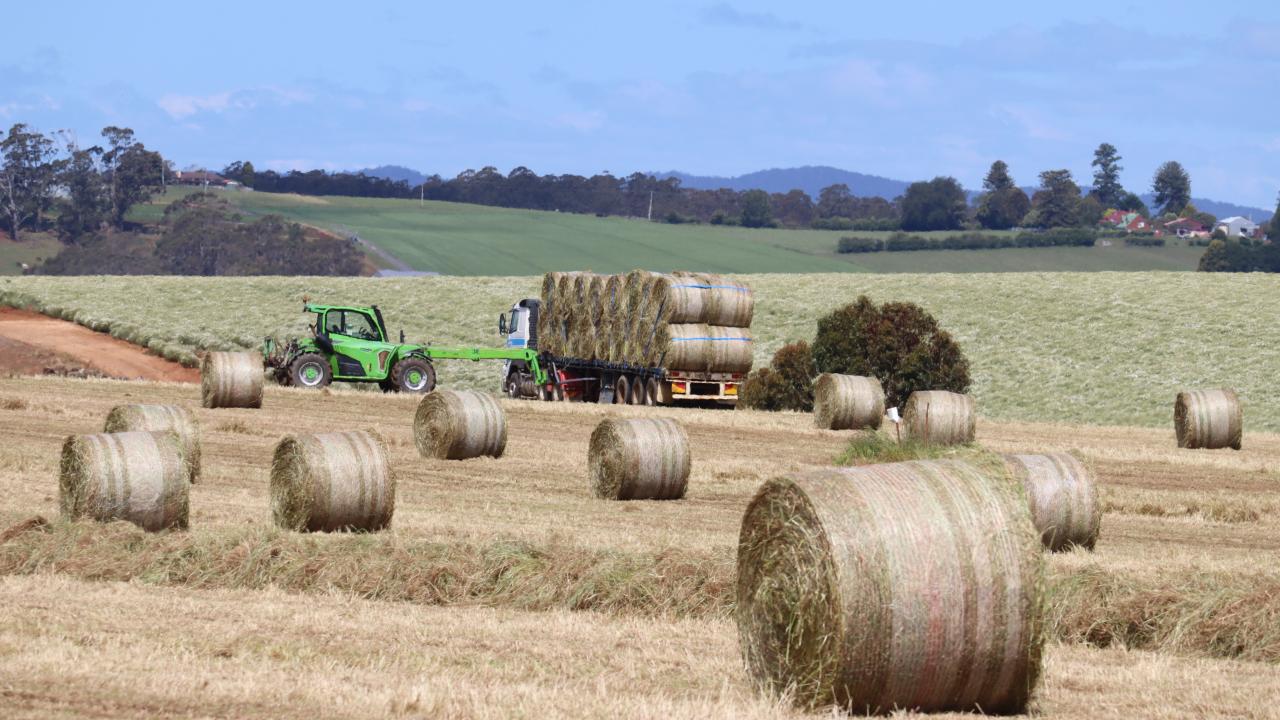
Capeweed is shaping up to be the only flaw in what is expected to be a bountiful hay season, according to local hay merchants.
The non-declared weed is infiltrating pasture like never before, potentially degrading the quality of some bales.
Cape weed competes aggressively with pasture grasses, clover and crops for water, sunlight, and nutrients, reducing overall productivity and available quality forage for livestock.
The plant can accumulate toxic levels of nitrate, especially during rapid growth after rain following a dry spell, which can cause poisoning, scouring, and sometimes death in livestock.
Elders hay trader Hayden Bean said that hay silage harvest was well under way and some grass hay was being cut in between weather events, with both looking to have plentiful yields while there are some questions over the quality.
“Capeweed is borderline out of control,” Hayden said.
“The constant wind has made it hard to spray out grass crops and thistles and cape weed are worse than ever – those weeds have loved the past few dry years where the grass has dried out and now that growing conditions are good it’s really going to take some stopping.”
He said that the lack of heat in spring and a high moisture content could also affect the quality this season.
“Silage quality is going to be particularly interesting – everyone will be wanting a feed test due to the abundance to work out the actual amount of dry matter, energy and protein before putting on a price per tonne.
“Just because it’s wrapped in plastic doesn’t mean it’s a good bale of silage so buyers will want to know the quality.”
While the cold weather has resulted in a lot of stem rather than leaf growth, there will be plenty of green grass around right up to Christmas and prices are coming down.
“A bigger yield will mean prices will be better than last year, I reckon we’re looking at between $80-$100 for a bale of grass hay compared to a high of $150-160 last season and even more the year before,” Hayden said.
“Silage is also selling for $40-$50 a bale less than last year although not many farmers are trading yet.”
Tasmania’s story is far more palatable that other areas of Australia, where dry conditions persist.
Dairy Australia's latest fodder updates highlight ongoing challenges, with high costs persisting in key areas like Victorian irrigation districts due to dry conditions, impacting profitability despite easing national feed prices and higher milk prices.
Farmers have been urged to feed test hay and silage as risks like nitrate poisoning from weed-heavy pastures and insufficient fibre remain, requiring careful balancing with grains for rumen health.
Jason Lovell and his partner Millie have just started baling hay on their 50 acres at Mountain River having cut their silage despite the intermittent rain.
They also run JML Contracting, baling small square and round bales and are running several weeks behind due to bad weather.
This week they were on John and Judy Smith’s property The Marsh on Bruny Island and then at the old Grove research station baling silage.
“I reckon, in the Huon Valley, silage is 40 percent up on last year’s yield,” Jason said.
“With a wet spring and the paddocks drying out well with the winds at least we can get onto the paddocks – but we just need consecutive days of dry weather to get it all cut.”
Like all contractors, he expects to be in high demand when the weather breaks, and “everyone will want their hay baled yesterday”.

Add new comment