
TIA looks ahead with an eye on climate and sustainability
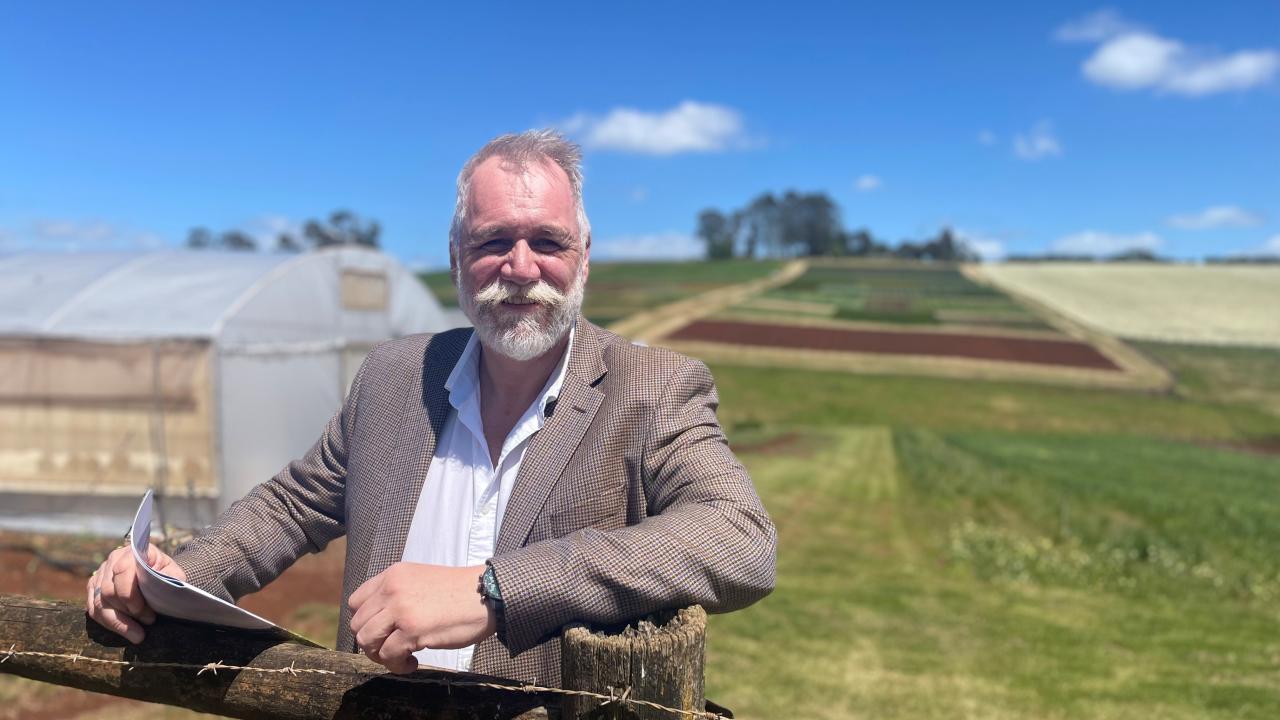
- TIA director Professor Mike Rose
The Tasmanian Institute of Agriculture has released its strategic plan for the next five years, with a renewed focus on sustainable agriculture and food production, climate resilience, meaningful partnerships and preparing industry to respond to emerging challenges.
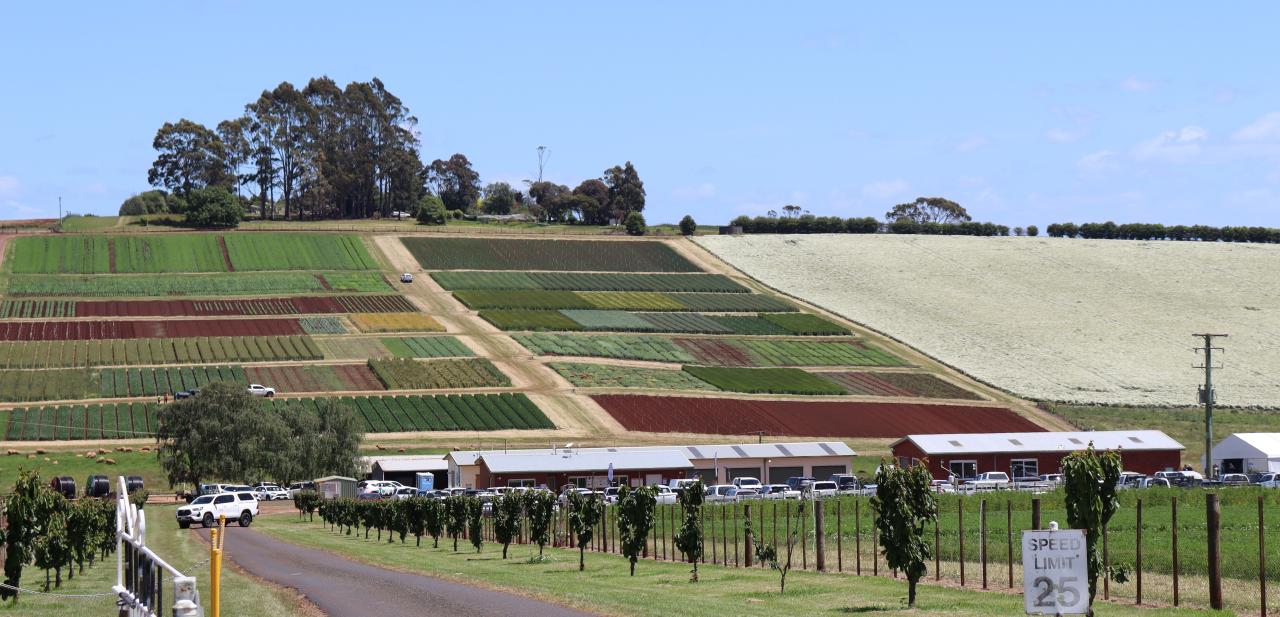
More than 100 farmers, agronomists, service providers, researchers and students attended the launch at TIA’s Vegetable Research Facility Field Day at Forthside in North-West Tasmania on Tuesday.
They were able to see first-hand the work going into supporting Tasmania’s horticulture sector through expert presentations, a panel discussion and a guided walk around the research farm to see TIA and industry-led trials in action.
Guest speakers included UTAS Associate Professor Dan Daugaard on economics around irrigation, Dr Jon Finch on insects in agriculture, Dr Tamieka Pearce on disease detection in pyrethrum crops and there were updates on the status and research around the potato mop-top virus.
Topics explored at the event included biosecurity, emissions reduction, disease management, irrigation, insects in agriculture and heat stress in strawberries.
TIA director Professor Mike Rose addressed the gathering, saying that the strategic plan coincides with the Institute’s third decade and sets clear priorities to strengthen Tasmania’s agricultural competitiveness and support the continued growth of Tasmania’s economy.
“Developed through extensive consultation with industry, government, academia and community partners, this plan reflects a shared vision for the future of cool climate agriculture and food innovation in Tasmania,” Professor Rose said.
“The agricultural sector is navigating increasing complexity including climate variability, biosecurity risks, shifting global markets, and growing demand for a skilled workforce.
“This strategy responds with a clear focus on delivering the world-class research, development, training and education outcomes Tasmanian farmers and industry need to stay competitive and thrive.
“Importantly, our research will continue to be co-designed with industry to ensure we’re addressing the issues that matter most, establishing clear pathways to impact and leveraging co-investment wherever possible.
The plan is shaped around six strategic objectives that set the direction for TIA’s work over the next five years:
- Strengthen sustainable agricultural food productivity in Tasmania
- Increase the resilience of the agriculture and food sectors to a changing climate 3.
- Deliver an attractive, relevant and world-class agriculture and food education
- Achieve meaningful industry engagement for lasting impact
- Meaningful engagement with Aboriginal peoples
- Build a stronger institute
Professor Rose said the passion and commitment of TIA’s staff, students and partners are central to delivering these ambitions.
“The work of our staff, students and partners, including the research showcased at the Field Day, is driving innovation across the sector, from improving soil health and water management to enhancing biosecurity and developing climate smart farming systems,” he said.
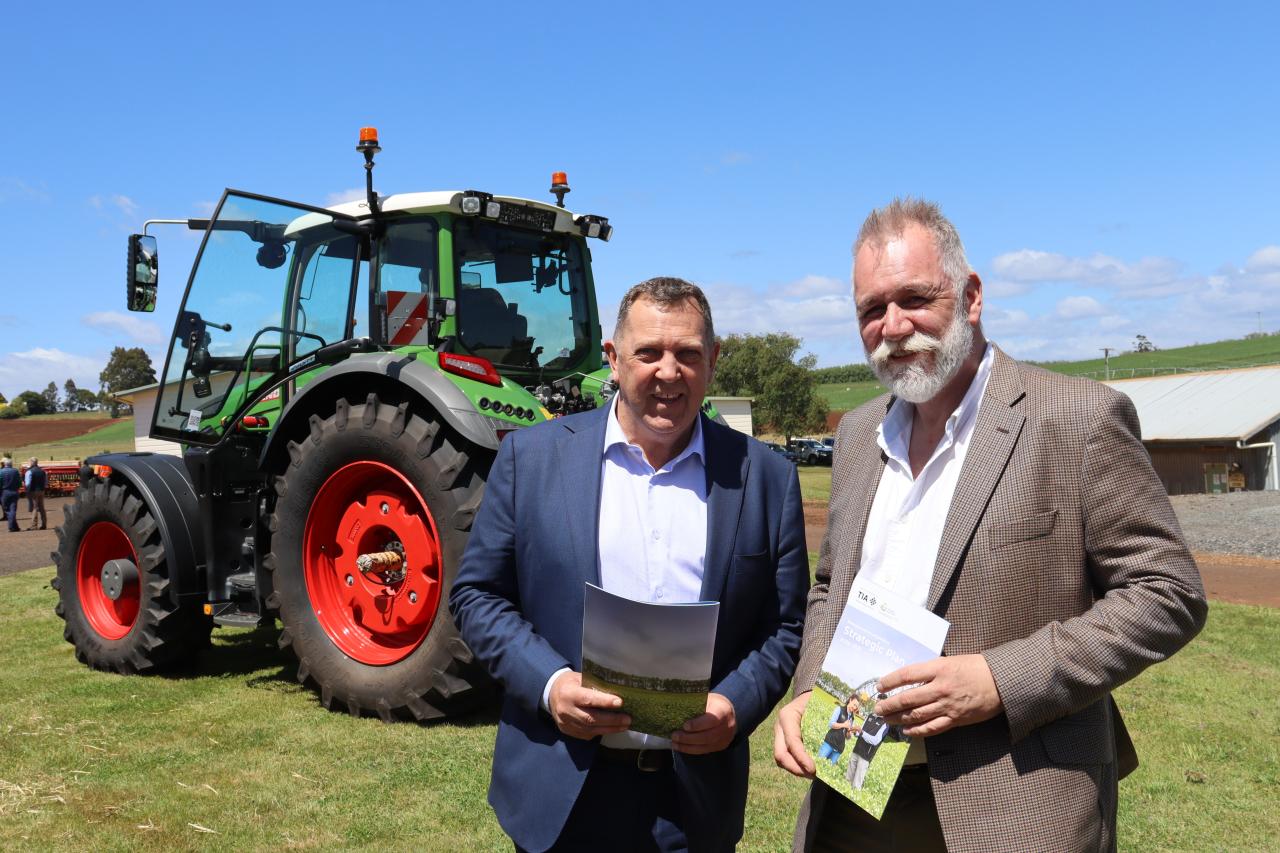
Primary Industries and Water minister Gavin Pearce was in attendance and commended the plan.
“This plan lays the groundwork for strengthened collaboration between agribusiness, industry, university and government,” Minister Pearce said.
“With a continued focus on co-investment, I’m confident TIA can lead Tasmania to become the cool climate agricultural research and innovation science capital of Australia.
“For decades, TIA has delivered practical, on-farm benefits for Tasmanian agri-food producers.
“Our government knows the importance of investing, innovating and collaborating to deliver continuous improvement across our agriculture industry. Since 2019, we’ve invested some $34 million to ensure TIA is supported to deliver the research and educational outcomes needed by Tasmanian farmers.”

Add new comment