
Organisations unite against florfenicol use in Tasmanian salmon farms
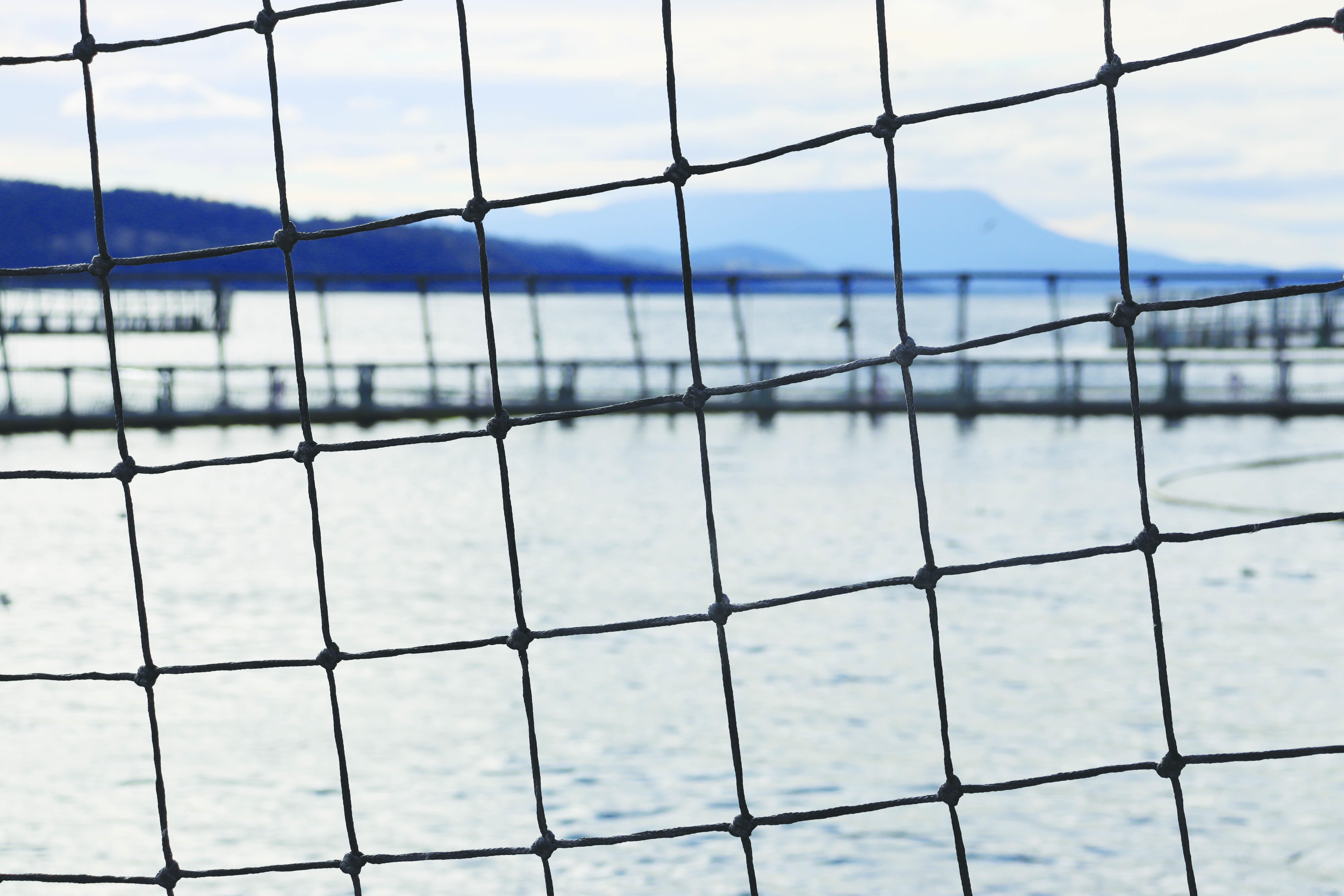
A trio of organisations has joined forces to oppose the use of florfenicol in Tasmanian waters.
The Tasmanian Rock Lobster Council, Tasmanian Abalone Council and Tasmanian Commercial Divers Association have voiced their concern about the antibiotic.
Tasmanian aquaculture companies used florfenicol over the summer to prevent mass salmon die-offs caused by the disease P. salmonis.
But in March the Australian Pesticides and Veterinary Medicines Authority revoked the Tasmanian salmon industry’s permit to use florfenicol.
Now the industry is applying to to use the antibiotic again.
In a joint statement, the rock lobster, abalone and divers associations said: “The use of florfenicol in Tasmania’s marine environment creates a material trade risk to wild-caught seafood products in both domestic and international markets.
“This is driven by the absence of an approved maximum residue limit for wild-catch species in most markets, and in turn the application of a zero-tolerance approach to residue detections.
“As a result, even low-level detections of florfenicol in wild-caught seafood have the potential to disrupt market access, damage customer confidence, create regulatory uncertainty, and negatively impact the reputation of Tasmania’s premium wild seafood products.”
Salmon Tasmania CEO John Whittington said the use of florfenicol was about animal welfare.
“The use of medication is an important part of that responsibility and treatments are only administered under strict veterinary supervision,” he said.
“Its use is supported by a substantial body of scientific evidence and environmental monitoring.”
Dr Whittington said florfenicol was an effective treatment for P. Salmonis and does not impact the environmental health of our waterways or the safety of fish caught from them.




Add new comment