
Push for inquiry into sand flathead fishing ban
Labor is pushing to establish a short parliamentary inquiry into the decision to ban recreational sand flathead fishing in south-eastern Tasmania.
However, the government says the fishery closure was necessary to improve stock levels.
The south-eastern zone covers waters between Whale Head and Cape Pillar.
It is unclear how long exactly the fishery will be closed for, with information on the Fishing Tasmania website saying it “will reopen when data indicate that the size and structure of the sand flathead population in the area can sustainably support fishing again”.
“We are prioritising the speed of recovery,” Fishing Tasmania said.
“Rebuilding a fishery is a naturally slow process.
“Sand flathead need time to breed and grow large to rebuild the stock, which may take many years.
“Our aim is for our actions now to help the fishery recover in a number of years and not decades.
“The closure, combined with the stock enhancement program, is the fastest foreseeable way for all of us to return to fishing.”
Recreational fisher Leo Miller said the ban felt like a knee-jerk reaction.
“They should have managed the fishery better, earlier,” Mr Miller said.
“But also, they’re not giving the recent adjustments time to take effect.
“We already have a very reduced catch rate and slot limit.
“They probably need to give that a chance to take effect.”
Mr Miller said that the announcement of the fishery closure was unexpected.
“We’ve been left in the dark and not consulted at all.
‘There’ doesn’t seem to be any great amount of consultation with the recreational bodies or fishers themselves.”
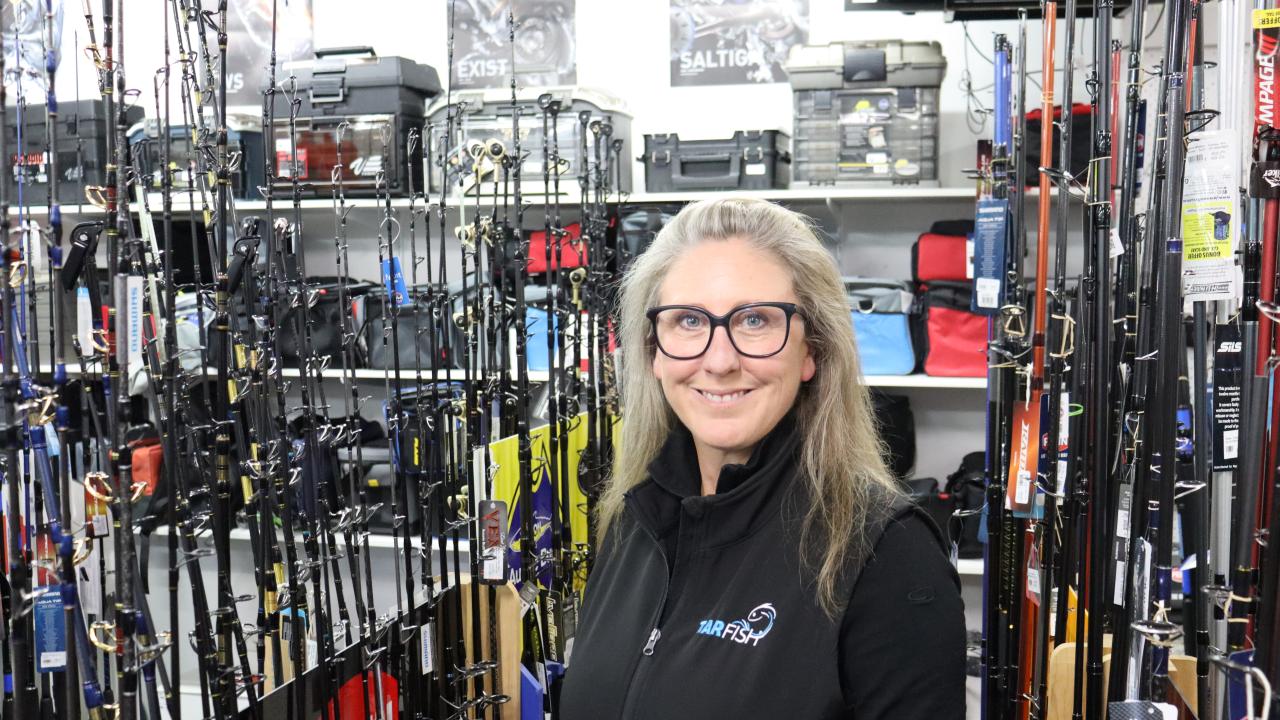
Tasmanian Association for Recreational Fishing (TARFish) CEO Jane Gallichan said the government’s decision blindsided her organisation.
“There is a lot of concern and worry amongst recreational fishing businesses,” Ms Gallichan said.
“When you have people that are already ringing up and cancelling having their outboard services, when people are not buying tinnies anymore, when people aren’t buying tackle and bait, and when they are not going fishing, then all of those businesses are at risk.
“When the fishing stops, spending stops.”
Labor aquaculture spokeswoman Janie Finlay said the fishery ban was not needed.
“It is hard to understand how a decision with such far-reaching and potentially devastating consequences for recreational fishers and coastal communities could be made without proper consultation,” Ms Finlay said.
“Tasmanian Labor supports sustainable fisheries management and recognises the importance of protecting depleted fish stocks for future generations.
“However, decisions of this magnitude must be transparent, evidence-based, and able to withstand public scrutiny.”
Government Minister Bridget Archer said the decision to close the sand flathead fishery was a necessary one.
“TARfish themselves have acknowledged that there needs to be measures to ensure that the fishery is managed and sustainable into the future,” Ms Archer said.
“IMAS science is very clear that this action needs to happen to ensure that we are able to have a sustainable sand flathead industry for future generations.
“That’s why the minister has taken action and it’s why we are investing $1.2 million into restocking sand flathead as well.”
Ms Finlay said the inquiry into the sand flathead ban would engage directly with recreational fishers, sector representatives, scientists, and other stakeholders.
“We will closely examine the available science, the advice provided to government, and the decision-making process to understand how this situation was allowed to develop and why consultation failed.
“Whatever other members of parliament may think about the decision itself, all MPs should support proper scrutiny of this process, particularly given this government’s poor record on transparency and consultation.”




Add new comment