
TasFarmers Matters - Councillors ask questions
Tasmanian councils have become increasingly criticised as it becomes apparent that elected officials are too often captured by the advice of administrators.
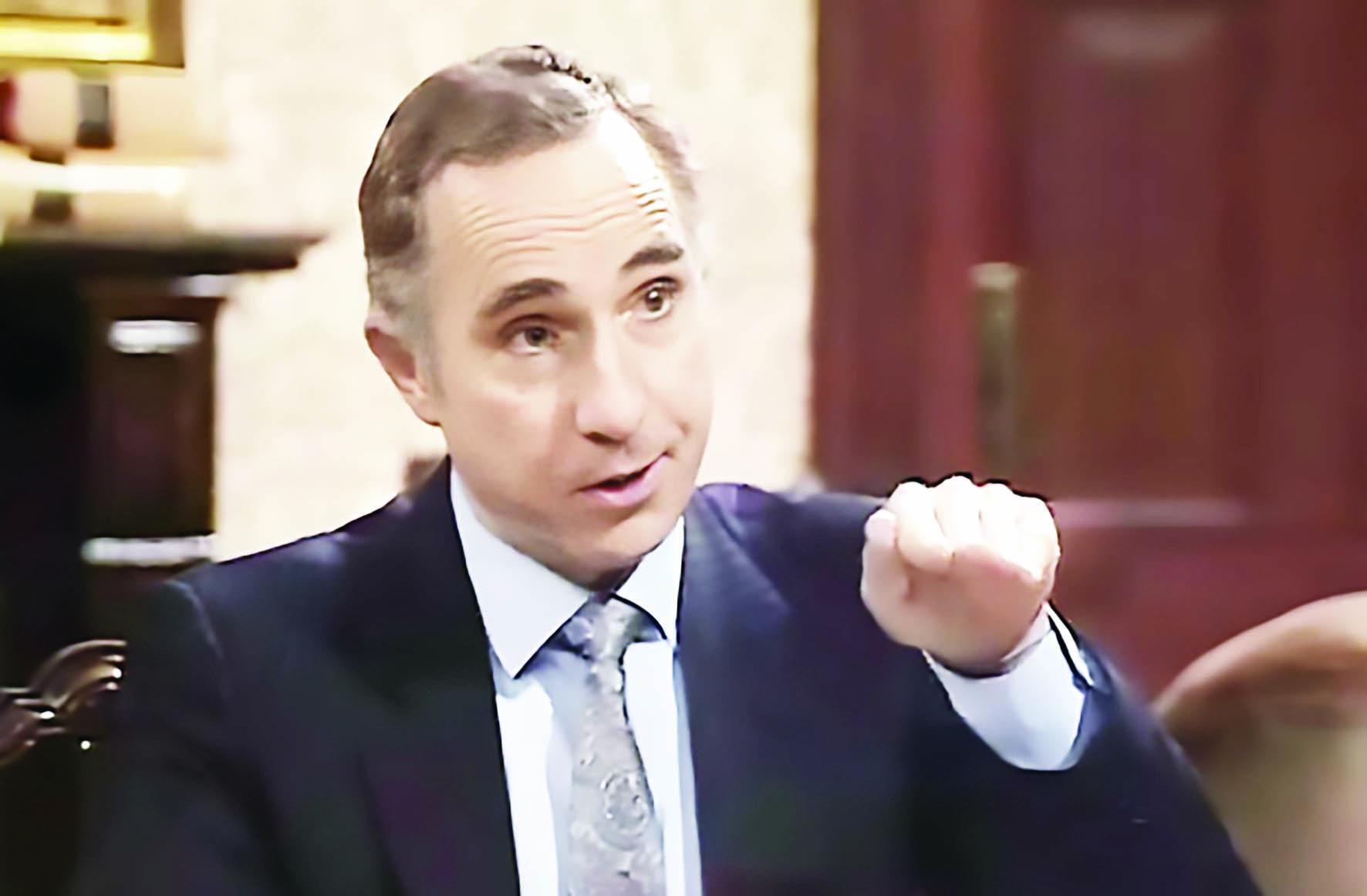
The City of Launceston offers a case study in this political phenomenon, as an episode of Yes Minister plays out before residents’ eyes through the local media.
In June, councillors accepted advice from the administration and approved an outrageous 40 per cent rates increase for primary production and vacant land. The rate rose from 5.1043 cents to 7.1225 cents per dollar of assessed annual value, bringing farmland into line with commercial and industrial properties.
Councillors later acknowledged they did not fully understand the impact of the decision. They believed they were creating a fairer system of taxation and generating additional revenue for the council.
The argument was fundamentally flawed. It failed to recognise that different categories of land generate vastly different returns for their owners. Agricultural land cannot be treated like an industrial estate simply because both occupy land within the same municipality.
This highlights the importance of elected representatives receiving clear, balanced advice from council administrations, particularly when decisions involve increasing taxes to support expenditure.
It is a familiar problem in democratic government. Elected officials can become overly dependent on permanent administrators for information and expertise. When that happens, the bureaucracy can begin to shape policy, regulation and spending priorities that should ultimately be determined by those elected to represent the community.
Councillors took the first step towards fixing the problem by requesting a report on capping increases for primary production.
However, the problem persisted as a report into the “effect of applying a rate cap of 20 per cent on primary production relative to the commercial rate in the 2026/2027 Budget” reveals that taxes generated from farmers would be paying for a city-based public Wi-Fi program costing $25,000, a $15,000 Organisational Culture Survey, and $25,000 for Service Monitor and Liveability Index research.
These choices raise a legitimate question: why would farmers face an extraordinary rate increase to pay for these types of activities?
More concerningly, the report identifies $20,000 associated with the closure of the Nunamara Transfer Station, despite the facility having already closed. If that saving has already been achieved, why is it presented among the revenue or expenditure affected by limiting the rate increase?
Here lies the real indictment
The report offers up a carefully selected list of visible community projects and services, including $100,000 for floor remediation at Lilydale Memorial Hall.
The administration has offered 13 areas where savings could be made, but councillors and ratepayers are entitled to ask whether these are genuinely the most appropriate savings available across the council’s entire budget, or simply the options selected to make a rates cap appear unpalatable.
Councillors appear to have decided that enough is enough and moved to fix the problem.
However, for the administration, it appears, to quote Sir Humphrey: “Only if it is the decision you want. If not, it is just a temporary setback.”
Ultimately, councillors cannot outsource responsibility for their decisions. Administrators provide advice, but elected representatives must question that advice, understand its consequences and remain accountable to the people who elected them.
If the council wants to save money, it should examine where residents of other municipalities are using services funded by Launceston ratepayers, including the aquatic centre, QVMAG and local theatres.
It could also consider measures such as a 50 per cent parking levy.
Just because councillors are not company directors does not mean they should not be proficient in understanding governance.




Add new comment