
Testing delay on seed
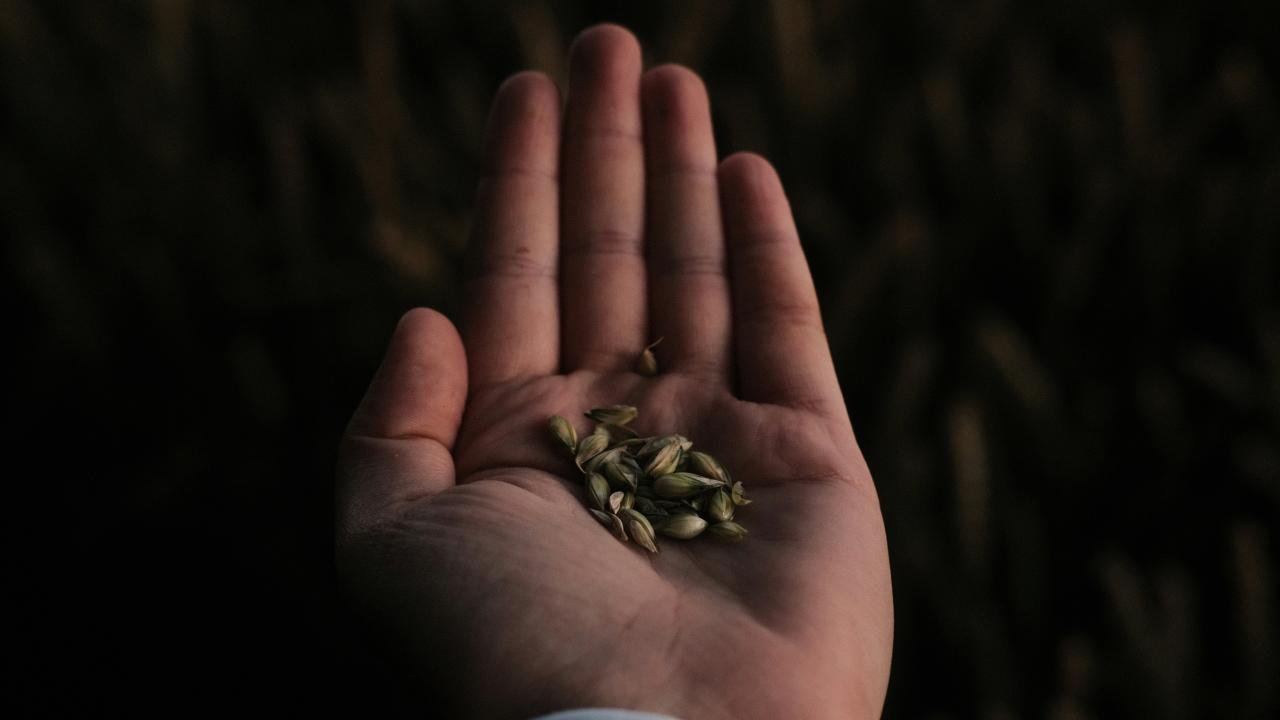
The loss of a key seed test at Tasmania’s only internationally accredited seed testing laboratory has come at a busy time for the state’s contract seed growers.
Low staff numbers have resulted in reduced testing capability and capacity at the government-owned Tasmanian Seed Services (TSS) facility at Mount Pleasant Laboratories in Launceston.
TSS lost its accreditation to conduct germination testing in late February, then managed to gain back approval for grasses as the peak of the ryegrass season loomed.
Tasmania has around 6000 hectares of pasture seed production and grows up to 60 percent of Australia’s temperate pasture seed (including ryegrass).
The lab is currently not permitted to do germination tests on cereals, small legumes, vegetables, spices, herb and medicinal species however a Department of Natural Resources and Environment Tasmania spokesperson said that the germination test is rarely needed on these commodities and that the Tasmanian Seed Service is confident the accreditation will be reinstated in the near future.
Purity and tetrazolium (TZ) testing accreditations from the International Seed Testing Association (ISTA) are unaffected.
While ryegrass makes up the majority of samples going to the facility, for farmers with crops such as cereal, peas and brassica seed their only alternative for germination testing is to send it to laboratories interstate.
Using interstate laboratories has resulted in some seed testing timeframes blowing out from one or two days to one or two weeks – delaying the ability for seed companies to get their product to market.
Most vegetable seed companies do their own testing so vegetable seed growers are largely unaffected.
In a letter to clients on March 6, TSS manager Melanie Leef said significant efforts, including additional staffing and changes to operational management, have been implemented to support TSS staff and client needs and that discussions with Seed Services Australia (SSA) to support certification requirements of Tasmanian growers are underway.
The peak not-for-profit industry body representing local seed producers, Tasmanian Seed Industry Group (TSIG), said it’s been worried about the backlog of work and obvious challenges being experienced by Tasmanian Seed Services for several years.
While NRE expects the accreditation to be reinstated soon and maintains that the lab continues to support the state's agricultural biosecurity, seed companies and other seed handlers in the supply chain are not so sure.
Duncan Heazlewood of Heazlewood Seeds is TSIG secretary and has a seed cleaning, drying and packaging business at Whitemore.
He would normally send his clover seed for germination testing to TSS but that will most likely go to a lab in South Australia.
“The time it’s taking at the moment, up to two weeks, is not ideal when as a grower you’re wanting to get your seed to market to meet orders,” he said.
“In the past growing seed in Tasmania has been an advantage because of how quick we can get it onto the market in autumn compared to somewhere like New Zealand.
“Our biggest concern in the short term is around the timeliness of testing and keeping seed moving through the supply chain - longer term it’s about the part our seed lab plays in handling the capacity of the whole industry.”
Mr Heazlewood said that the seed industry has been concerned for some time and has made representation to the government.
“The amount of seed being produced in Tasmania in on a steady incline and projected to increase in the future so the resources need to be there to get the relevant testing done,” he said.
Many of the seed companies affected are represented by the Australian Seed Federation (ASF), which wrote to the Tasmanian Government in October last year after members complained about the lab not keeping pace with demand.
ASF CEO Katherine Delbridge said that the issue has been compounded by a good season, where even the throughput of ryegrass is being affected.
“It’s concerning to have this issue at such a busy time of year when there’s a lot of seed produced trying to make its way to the end market, both domestically and internationally,” she said.
“There have been some internal changes at TSS, including moving someone from the animal testing lab to the seed testing side and they’re doing a brilliant job, and we have connected TSS with private seed laboratories in our network with ISTA accreditation to help move the backlog.”
“I can’t speak highly enough about the work they’re putting in at the Mt Pleasant Laboratory but so far I haven’t seen any assistance from higher up.
“The specialist seed analysists need to be freed up from admin work for a start so that they can concentrate on their area of expertise and make sure the samples get through.”
Ms Delbridge said that the government-run service doesn’t appear to have kept pace with the increased production in Tasmania and there is potential for a private company to set up shop.
Opposition Labor is blaming “the dire financial situation Jeremy Rockliff’s Liberals have placed Tasmania in”.
The State Government has implemented a hiring freeze on non-essential roles to help repair state finances and tackle debt.
“As the saying goes, you reap what you sow, and that’s exactly what we’re seeing here,” Primary Industries and Aquaculture shadow minister Janie Finlay said.
“The Rockliff Liberal Government has made an artform of neglecting services and leaving things until it’s too late before acting, ultimately making the consequences for Tasmanians far worse.
“That is outsourcing by neglect, and it risks hollowing out critical scientific capability here in Tasmania.”



Add new comment