
Vegetable pest serpentine leafminer has been found in Tasmania for the first time
SIMON
McGUIRE
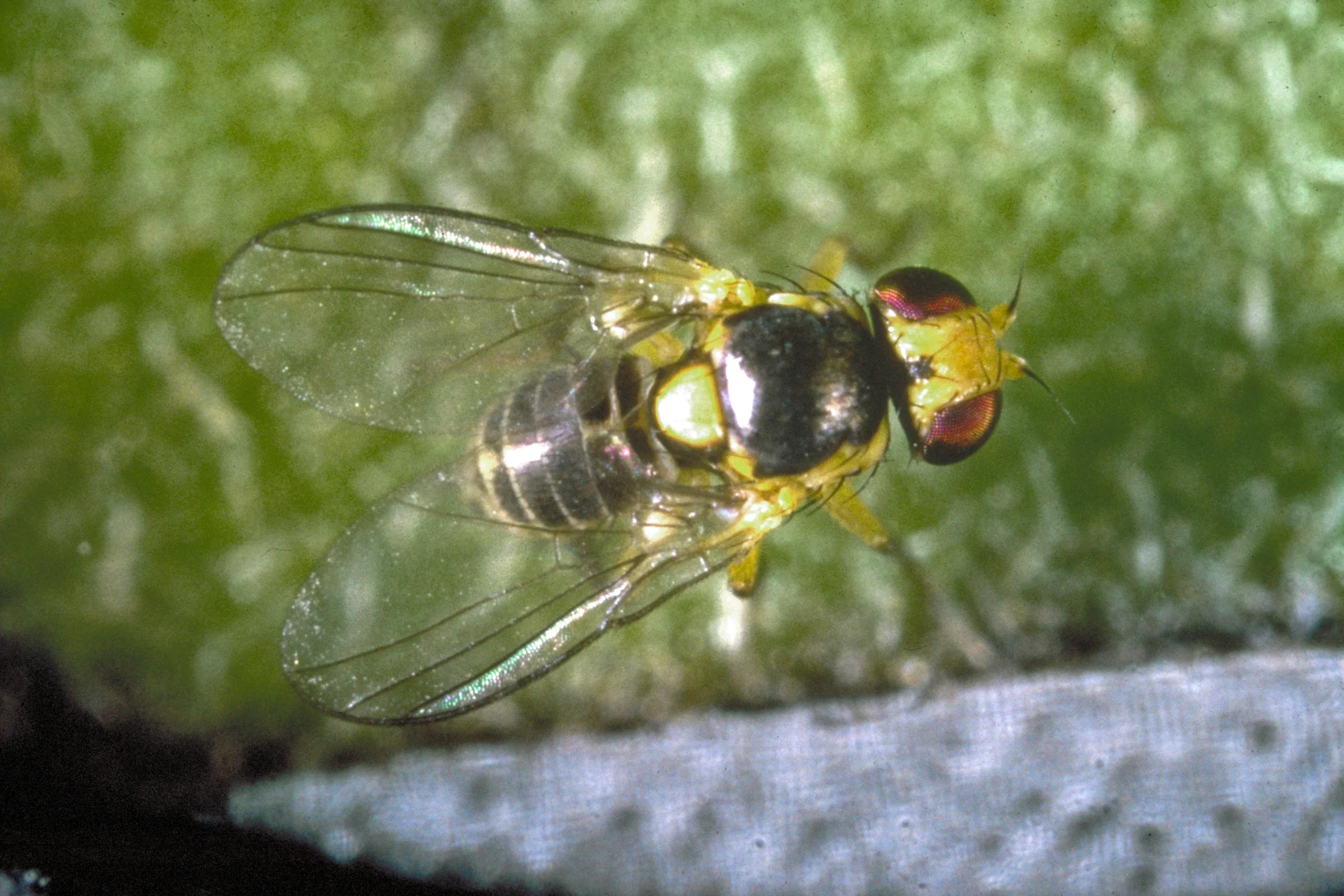
TASMANIAN vegetable growers are on high alert after the pest serpentine leafminer was detected at a commercial grower site in the North West – the first time it has been found in the state.
The pest has been present on mainland Australia since 2020.
TasFarmers Vegetable Council chair Nathan Richardson said primary producers now had another pathogen to protect themselves against.
“We’ve had mop-top, fall armyworm and marmorated stink bug,” Mr Richardson said.
“The immediate advice is to be vigilant. If someone has a home garden or a vegie patch on the farm, go out and have a look.”
Mr Richardson said it was unclear how SLM entered Tasmania.
“There’s still a lot of fresh produce coming into Tasmania every day from the mainland.
“It could very well be an innocent incursion through the movement of people or goods.
“The fact that it was detected before a major outbreak is a positive.”
The larvae of this group of flies tunnels through leaves as they feed causing visible damage known as “mines”.
High levels of infestations can reduce plant growth and yields.
They are known pests to more than 200 plant species, including potato, beans, peas, brassicas, lettuce, celery, tomato and cucurbits.
SLM can also affect ornamental plants such as chrysanthemums, gypsophila, ranunculus, and other nursery plants. Numerous weed species can act as reservoir hosts, allowing populations to persist between crop cycles.
A Biosecurity Tasmania spokesperson said SLM was a high-risk invasive pest.
“BT is working with the impacted grower to manage the detection, with site-specific biosecurity directions in place to control and minimise spread.
“BT is also investigating potential movements, including traceback/forward of stock, to understand the potential distribution of the pest better.
“BT will work with affected Tasmanian industries to understand and determine actions to be taken following this detection.”
Growers and the public are advised to look out for distinctive squiggly white lines on plant leaf surfaces caused by feeding damage from leafminer larvae.
“Good farm biosecurity helps to prevent the spread of pests, weeds and diseases.” BT said.
“Look out for new and/or unusual pests, weeds and diseases in crops, production areas and in high-risk inputs - e.g. mulch, fill, new planting material and report to BT.”




Add new comment