
What is in the 2026-27 State Budget for the agricultural sector
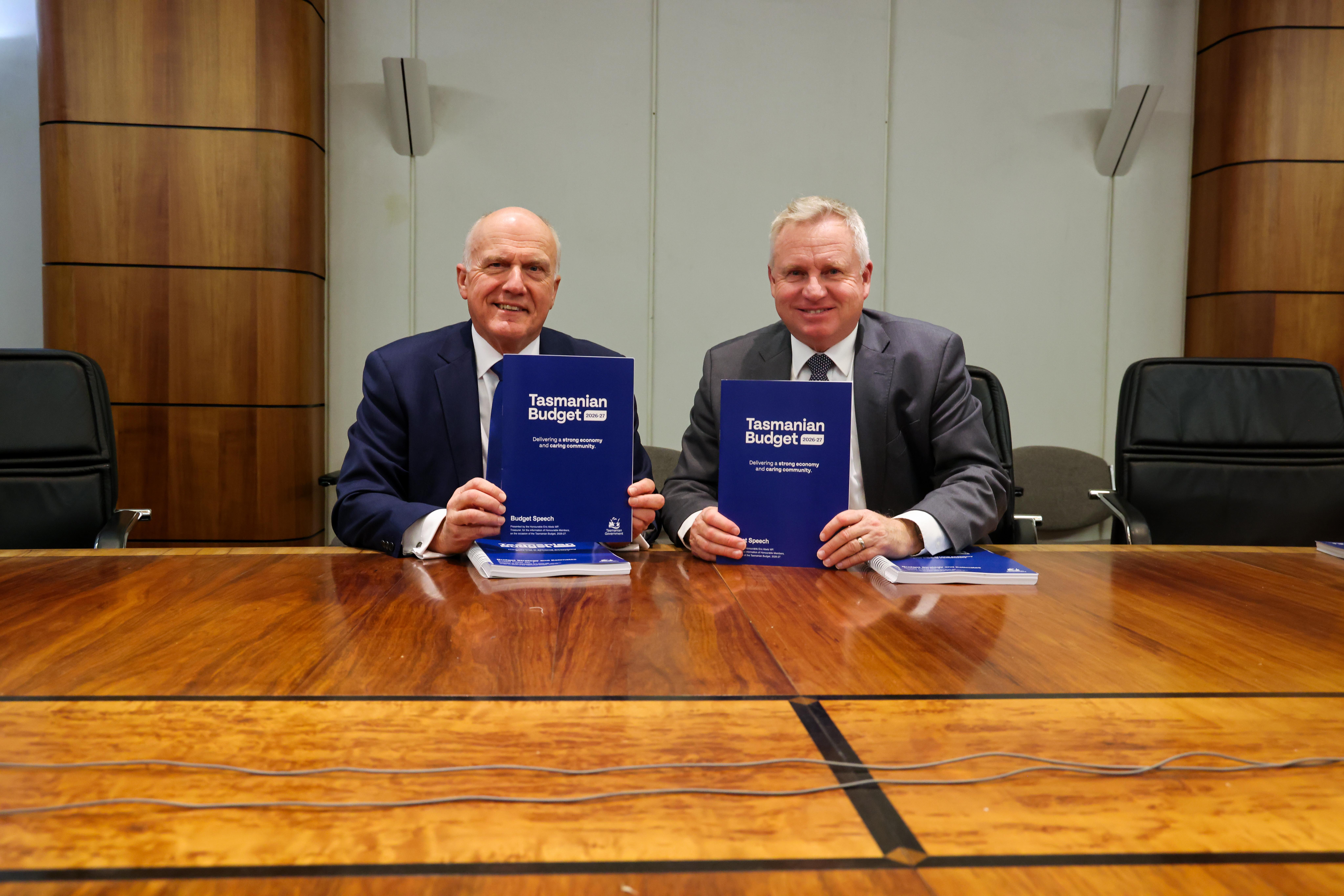
The 2026-27 state budget has $193 million allocated to agriculture.
Primary Industries Minister Gavin Pearce said the budget backs those who put food on the table.
“This Budget ensures our economy continues to be strong, resilient and well-positioned for the future,” Mr Pearce said.
“The Tasmanian Government is getting the balance right, while recognising the state’s agricultural land is a significant asset.”
The budget features $1.6 million allocated to the Strategic Industry Partnership Program, which Mr Pearce said supports industry projects and drives growth across the sector as the government works towards achieving its goal of Tasmania’s farmgate value reaching $10 billion by 2050.
The Agriculture Research and Development Fund received a $750,000 investment.
TasFarmers will receive $450,000 over three years to connect young people with careers in agriculture, along with an additional $125,000 to enhance on-farm biosecurity engagement.
The budget includes $630,000 for the Farm Business Resilience and Regional Drought Resilience Planning programs.
It also features a $134,000 investment in the Rural Financial Counselling Service, with the government also committing to funding for Rural Alive and Well.
An additional $90,000 will be added to the Weeds Action Fund program.
Natural Resource Management bodies will receive an additional $2.3 million investment from the government over the next four years.
Tasmanian Irrigation is investing $392.9 million to continue delivering its Tranche 3 irrigation program, including works associated with the Northern Midlands Irrigation Scheme, the Sassafras Wesley Vale Irrigation Scheme Augmentation, and the Greater South East Irrigation Scheme.
The budget also includes funding for deer population management.
The government will invest $750,000 to deliver the Wild Fallow Deer Management Plan, bolstered by an additional $840,000 to tackle wild fallow deer numbers in peri-urban areas across the state.
The Abalone Industry Reinvestment Fund will receive an additional $1 million to control the invasive long-spined sea urchin and ensure industry sustainability.




Add new comment