
Derwent Valley among Tasmania’s most socially isolated regions for older residents
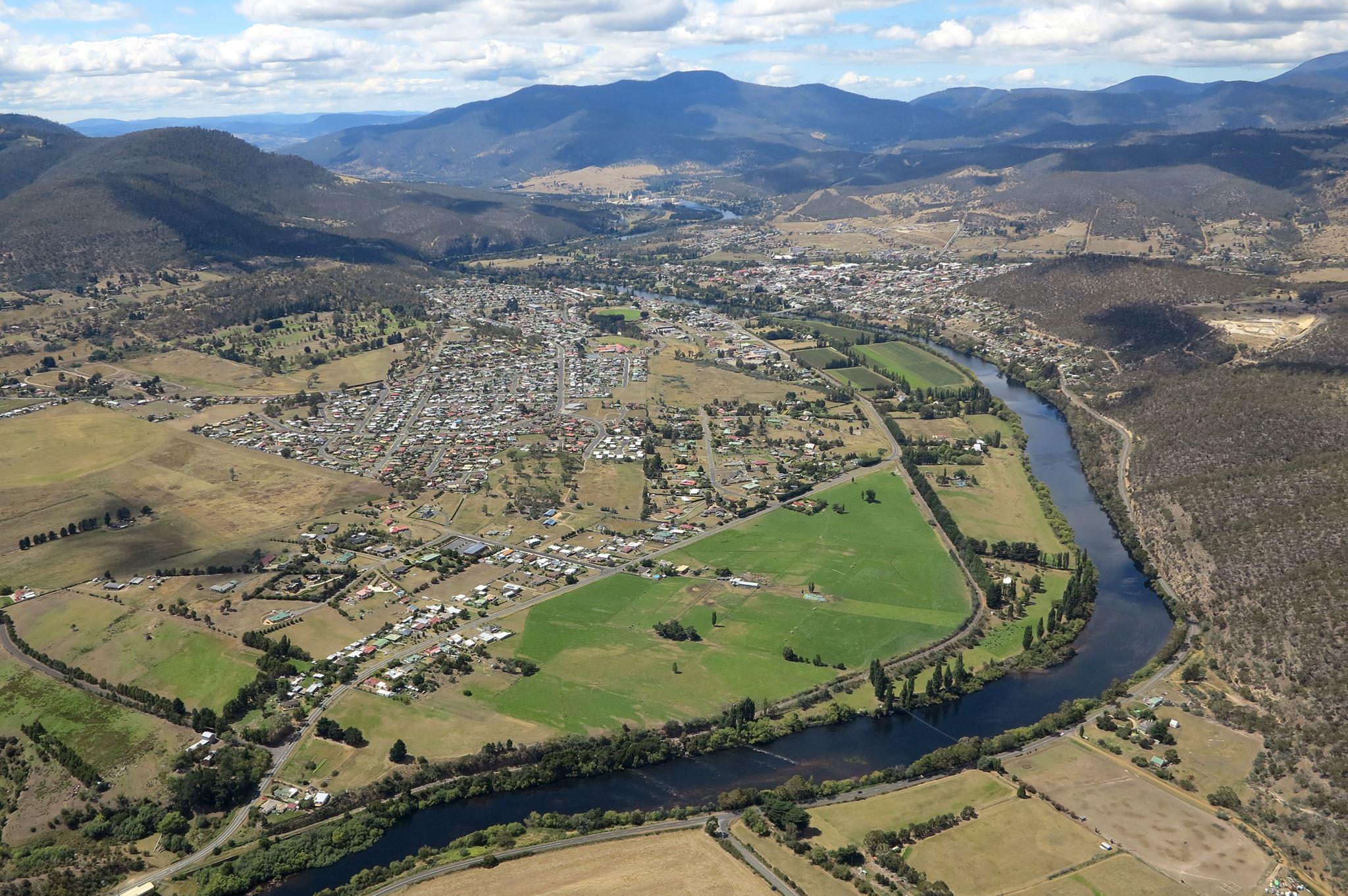
New research has highlighted the challenges facing older residents of the Derwent Valley with limited access to public transport and other barriers to community participation putting the region among the areas most exposed to social isolation in Australia.
A study, conducted by in-home care provider Just Better Care, has ranked the Derwent Valley seventh nationally out of 465 areas analysed and first in Tasmania for exposure to factors associated with loneliness and social isolation among people aged 65 and over.
Clinical Governance Manager at Just Better Care Gemma Scales said the research highlighted how widespread the factors associated with loneliness and social isolation had become across Australia.
"The fact that 1.94 million older Australians live in areas with higher exposure to loneliness risk factors shows how widespread these challenges can be," Ms Scales said.
"But the reasons behind that exposure can vary, so it's important to look beyond the numbers and consider what might be happening in an individual's everyday life."
"For families, that could mean noticing when someone starts going out less often, loses touch with activities they used to enjoy, or needs more help with things they normally manage themselves."
"The changes can be a good reason to check in and see how someone is doing." Ms Scales said.
One of the most surprising findings of the study is that just 1.14% of older residents in the Derwent Valley live within 800 metres of a scheduled public transport stop, potentially making it difficult for those without access to private transport to attend medical appointments, visit friends and family or participate in community activities.
The research also recorded an overall social isolation exposure index score of 74.41 out of 100 for the Derwent Valley followed by Glenorchy- 72.82, Devonport - 69.37, Brighton -67.22, West Coast -66.53,Sorell- 65.99, Launceston- 65.63,Break O Day- 64.89,Burnie- 64.18 and Waratah/Wynyard- 62.88.
It was also found that more than one in four older residents or 26.2 % ,live alone while 37% are widowed, divorced or separated.
Adding to the challenges, 21.1 % of residents aged 65 and over require assistance with everyday activities, potentially making independent travel and participation in community life more difficult.
Approximately 14.3% of older residents volunteer and the region recorded an exposure score of 78.93 out of 100 for community participation and 78.4 for barriers to connection ,highlighting areas where opportunities to strengthen social engagement could be explored.
Whilst the figures don't necessarily mean that older people living in the Derwent Valley are lonely, they identify a number of circumstances that can make maintaining friendships, accessing support and staying connected more challenging.
The findings also raise questions about whether existing transport services, community programs and support networks are adequately meeting the needs of an ageing population, particularly for people living outside major urban centres.
With Australia's population continuing to age, the research highlights the importance of ensuring older residents in regional communities are not left behind.
For the Derwent Valley, the findings also provide an opportunity for the community, service providers and local organizations to consider how older residents can be better supported to remain active, independent and involved in the communities they call home.

Add new comment