
Edwina's regretful sale of Glen Stuart
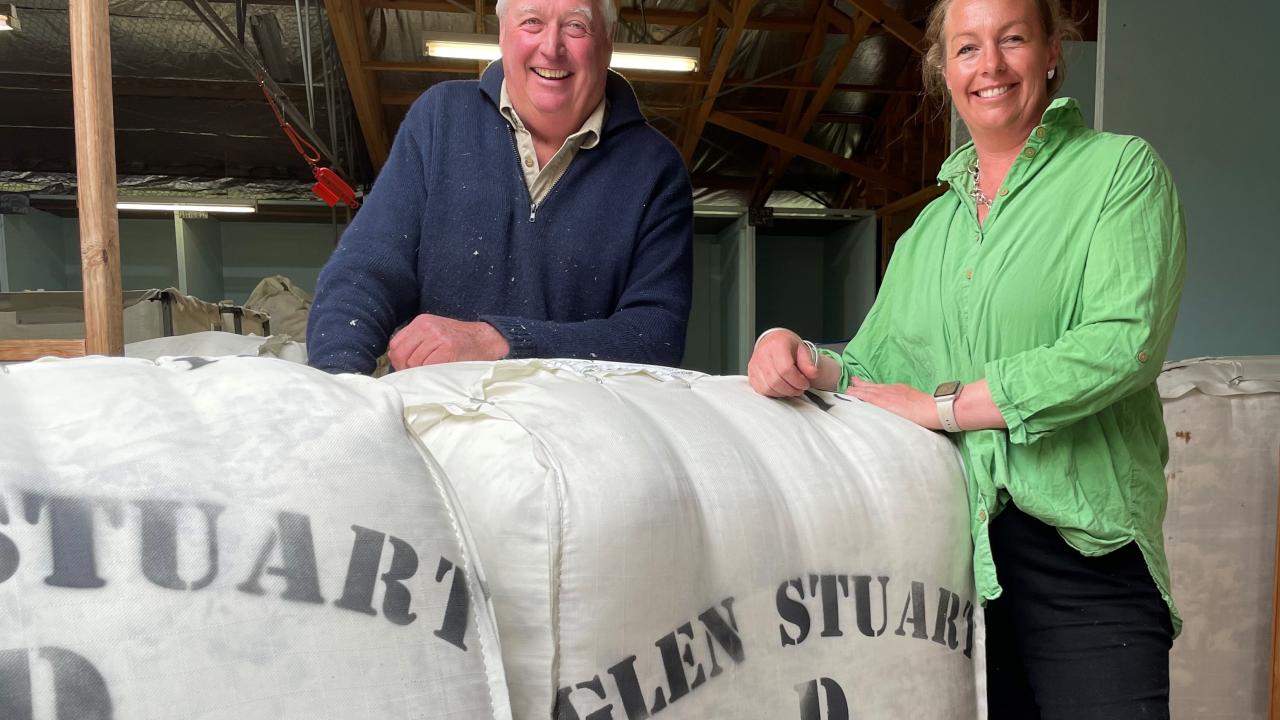
One of the northern midland’s premier sheep properties "Glen Stuart" at Deddington, has come onto to the market three years after its purchase by Stephen Caswell and his daughter Edwina.
For the women who’s been running the superfine wool operation, Edwina Caswell, it’s been a gut-wrenching decision to sell, and one that is about preserving the financial and mental wellbeing of herself and her family.
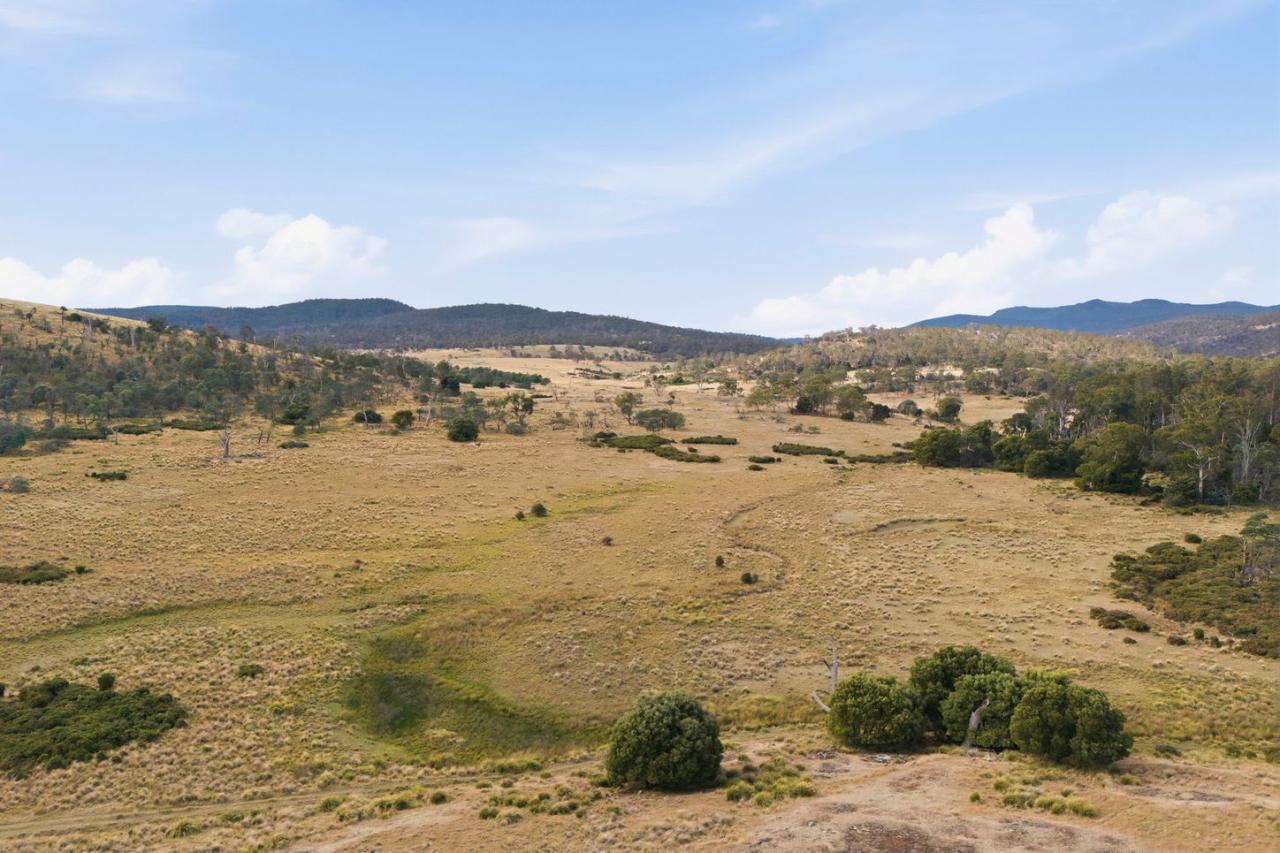
Glen Stuart covers 1800 hectares on four titles skirting Bryant’s Lane at the base of Ben Lomond and Edwina, her husband Luke and three young children love the rugged property and their 3500 head of Saxon merino sheep.
During their tenure the Glen Stuart brand, built up by former owners Allan and Carol Phillips, has continued to feature at prestigious wool shows while the Caswell family has made significant improvements to the property with a clear focus on matching livestock to country and maintaining consistency in production.
Water is a standout feature, with more than three kilometres of Nile River frontage supported by a 500ML water licence, along with dams, springs and reticulated water systems throughout the property.
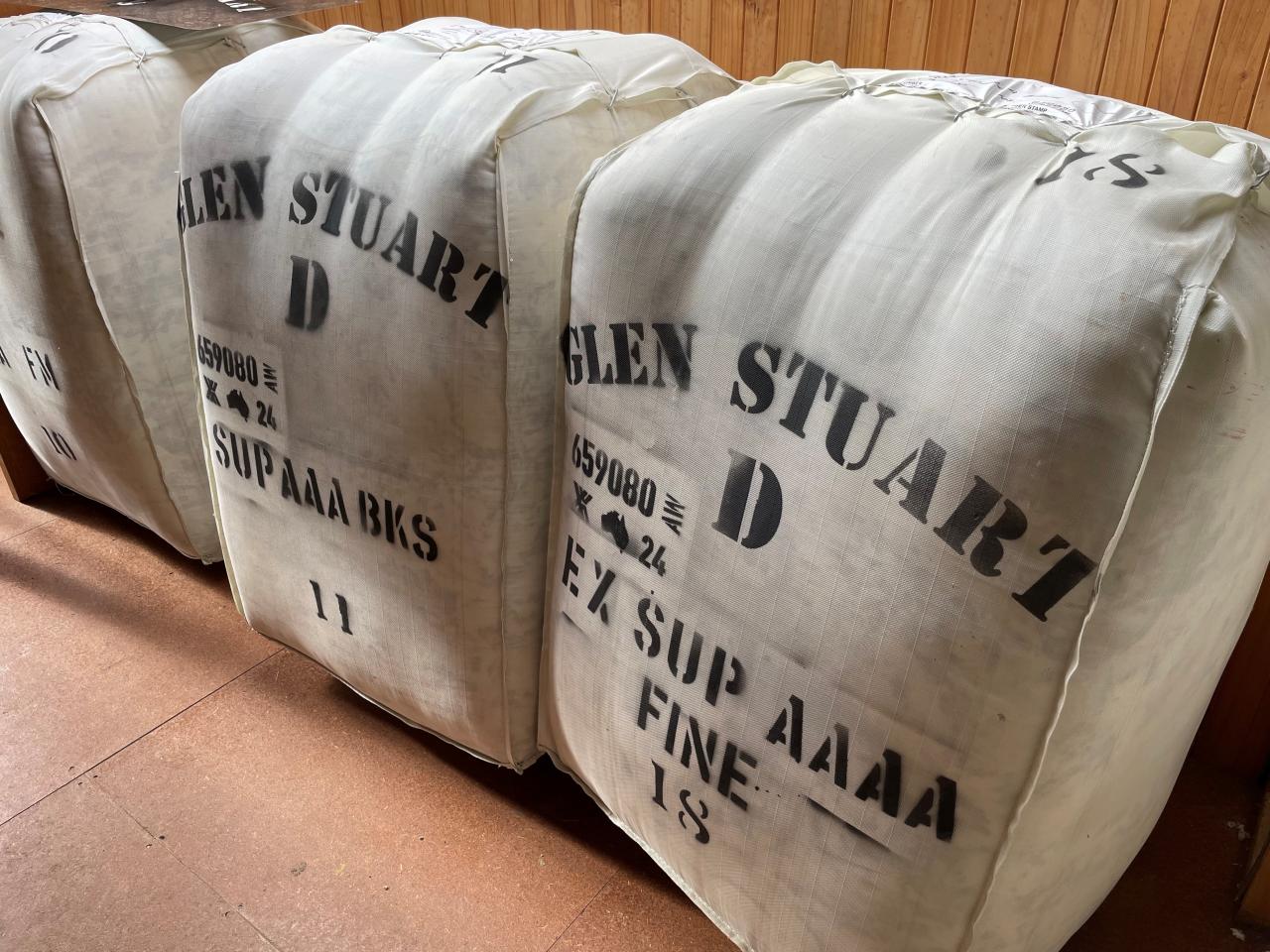
Glen Stuart produces a highly regarded wool clip, known for its brightness, softness and strength and achieves an average wool profile of 14.3 micron while cutting approximately 4kg per head.
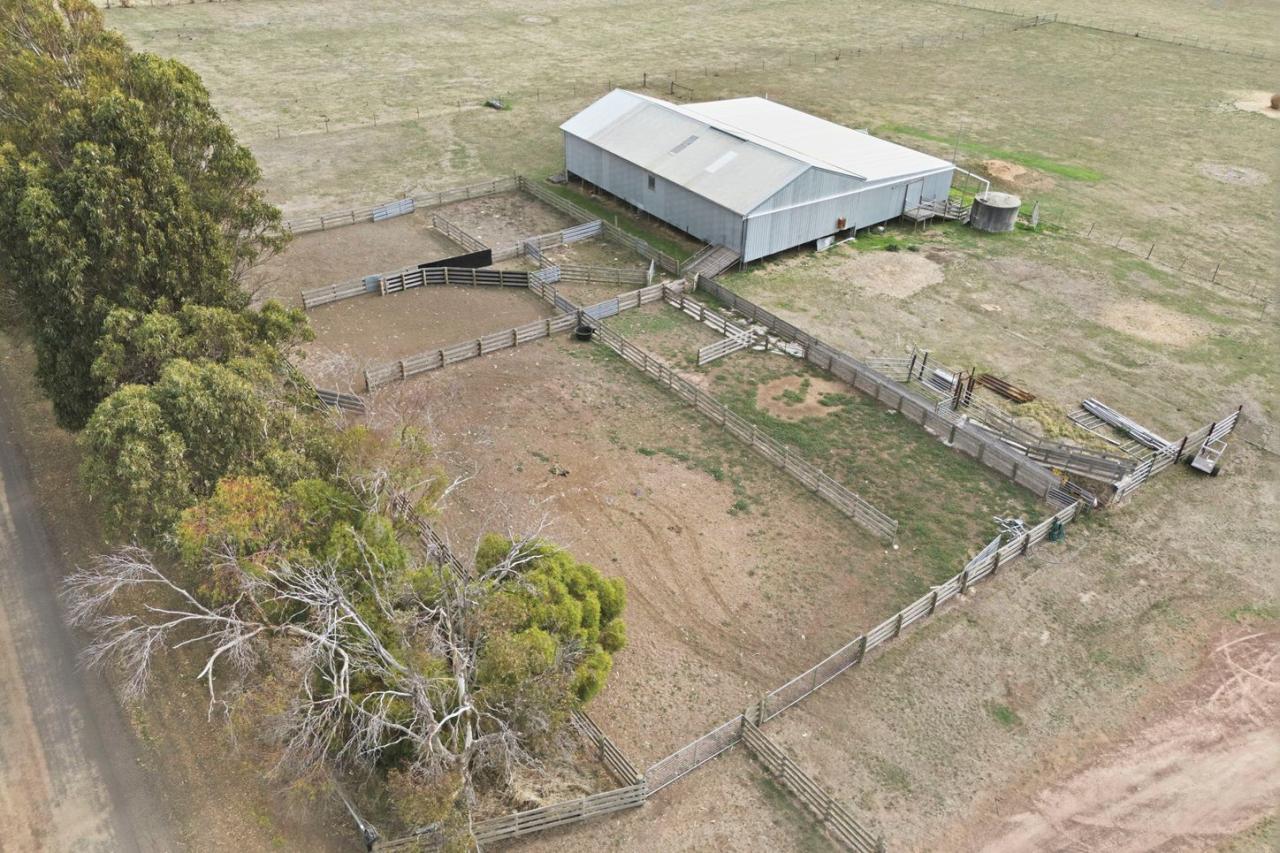
It boasts a quality two-stand shearing shed (approx. 400 head under cover), well-designed sheep yards and handling facilities, machinery shed, workshop and a four-bedroom homestead and separate one bedroom cottage for guest or staff accommodation.
Edwina said it’s time for someone else to take the operation further and continue the trajectory of what she’s started and take advantage of what she believes will be a bright future for the wool industry going forward.
“Unfortunately when we bought the property everything that could go wrong did go wrong,” she said.
“The driest period in 40 years, interest rates going up, wool prices dropping – that was my first 12 months.
“By sheer stubbornness and grit I got through the next two years, but I’m left physically, mentally and financially depleted.
“It’s been hard to admit but I need to downsize and take the pressure of myself and concentrate on my family.”
Edwina said that coming in as a new farmer and being tested on every level has changed her profoundly and for the better.
“I’ve discovered a love of the wool industry and a passion for the product and I’m really sad to be leaving it,” she said.
“I’m incredibly proud of what I’ve achieved and it’s been a privilege to work with the people I’ve worked with.
“But to make superfine and ultrafine wool production worth it – you put a lot of work into the products, double skirting and taking the necks and back out, achieving maybe $32 for the best wool and $20 for the back – it doesn’t make sense when you need $80 minimum for the best wool to be viable.
“It will get there but in the meantime, burnout is a real thing.”
Edwina is open about the struggle to provide for the family and reliance on her husband’s wage while working the farm, but she said she is grateful to have people in her corner who helped her see when she’d reached her limit.
Conversations with family, workers and Rural Alive and Well have helped her start a new chapter that will protect her health and ensure she doesn’t miss out on her children growing up.
“Farming, when it gets tough, can bring you down and I’ve seen it too often when farmers don’t know when to ask for help.
“But there’s always someone to talk to and someone who will show up for you.”
She said one day she’ll look back with pride on what she’s achieved – a highlight being what she calls her “blue taggers” – the 2023 lambs that went on to bring micron readings down to as low as 10.7 and produce some of the finest wool in the world.
At the 2024 Campbell Town Show her Saxon merino wool dominated and she said it was humbling to know it ended up in Italy being spun into high-end designer garments.
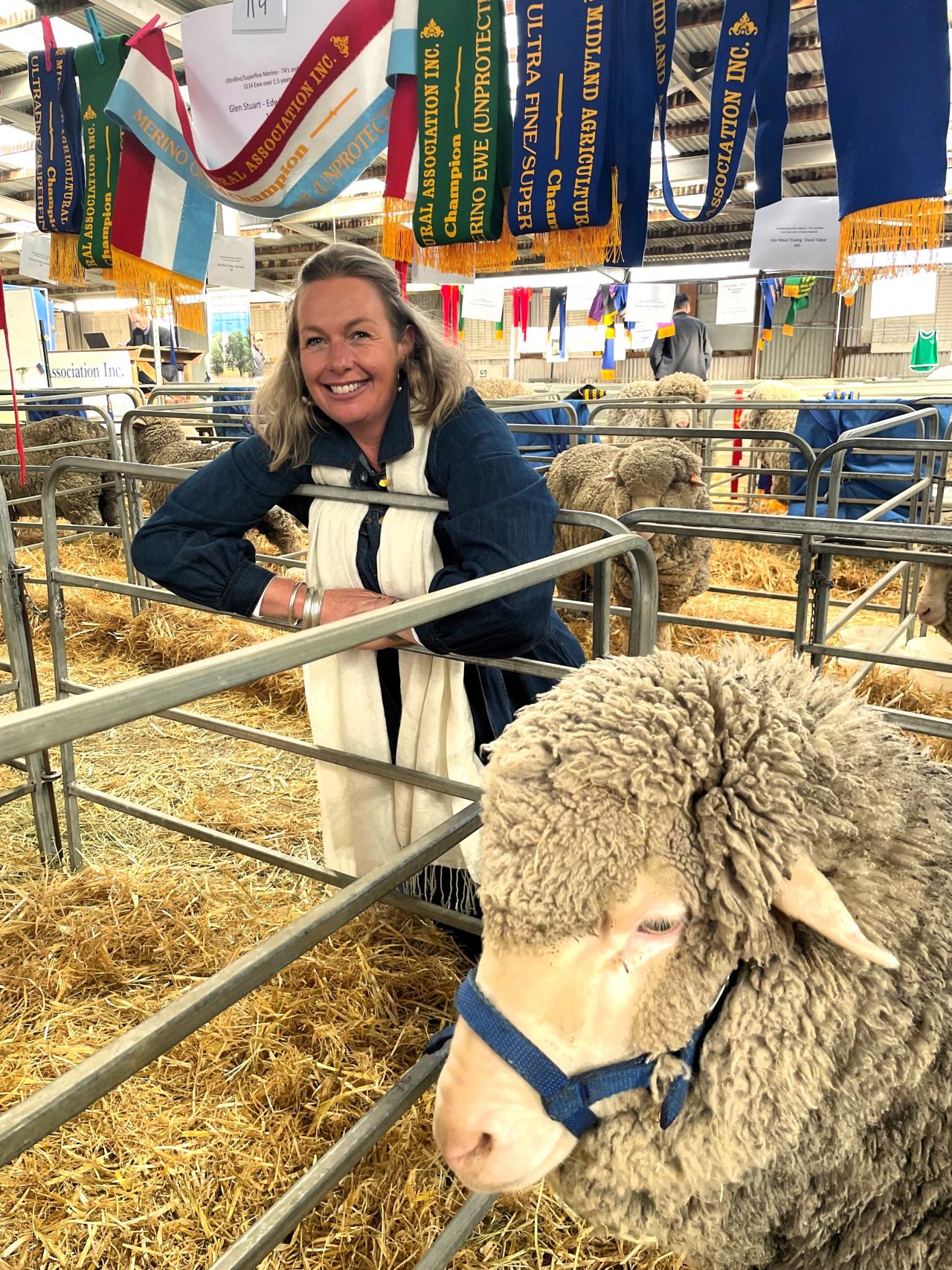
“People come back each year to buy our rams because it’s such beautiful wool and I feel a bit cheated that just when I’ve found my feet and the market is turning a corner I’m forced to walk away.”
The Glen Stuart farm is being sold it its entirety, including the stock, but splitting it up or staying put on one parcel of land and being involved in the future is not out of the question for Edwina.
“So much work goes into these sheep, and these are genetics that you don’t just come by every day.
“It would be lovely to know that the next owner has a similar passion for sheep and continues to bring the merinos back into the limelight.”
While the land boom of several years ago has steadied, Tasmania still commands the highest median price for agricultural land in the country.
Glen Stuart, which last sold for more than $7 million, is being sold through Nutrien Harcourts which is taking expressions of interest.



Add new comment