
Bird flu hits King Island hard as virus declared ‘here to stay'
TASMANIA’S bird flu outbreak is likely to remain an ongoing threat, with authorities warning that the virus may occur in waves over coming months and years.
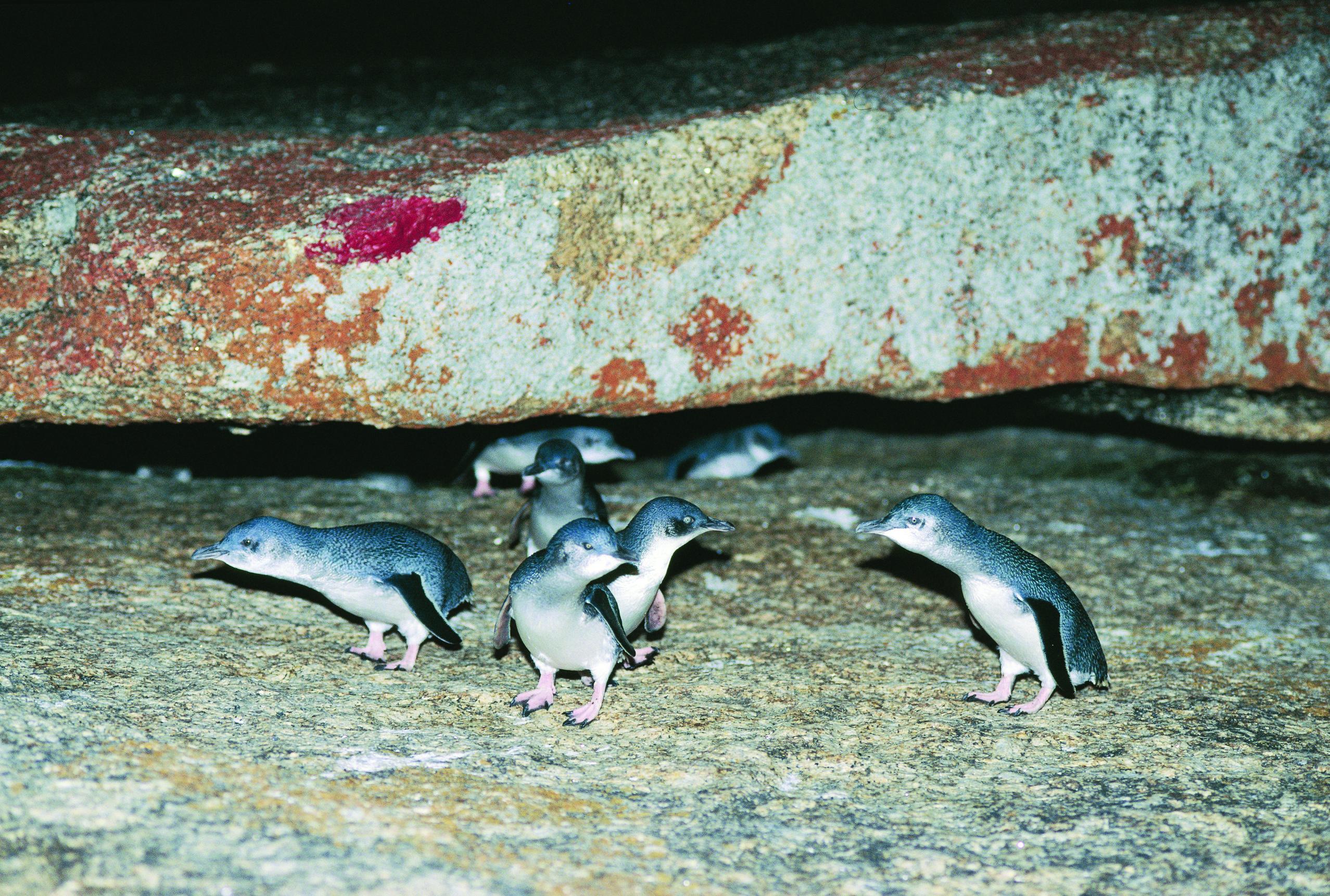
Natural Resources and Environment Tasmania secretary Jason Jacobi said 51 dead little penguins had now been identified, mostly around the Port of Grassy.
Mr Jacobi warned there may never be a point when Tasmania can declare itself completely clear of the virus.
I think the virus is here to stay.
Tasmania could experience periods with few deaths followed by sudden increases, with authorities particularly concerned about keeping the virus out of domestic and commercial poultry populations.
Speaking with KIRTV, Mr Jacobi said an initial report of about 28 penguins had been followed by the discovery of another 23 during active surveillance. Many were found beneath dense coastal vegetation around the Grassy headland.
Only two penguins were in a suitable condition for testing. One returned a positive result for bird flu while the other was inconclusive. The positive sample has been sent to the Australian Centre for Disease Preparedness in Geelong for further analysis.
Mr Jacobi stressed authorities could not confirm that all 51 penguins died from bird flu.
“We just don’t know,” he said, adding that while the positive detection suggested bird flu may have been responsible for other deaths, this could not be established with certainty.
Despite the number of deaths, NRE Tasmania does not currently regard the Grassy situation as a mass mortality event. Mr Jacobi said classification depended on factors including the species affected, overall population and number of deaths attributable to the virus.
Authorities are continuing surveillance across King Island and North West Tasmania, with residents playing an important role in identifying possible cases.
Mr Jacobi urged people who encounter sick or dead birds to follow the message: “avoid, record and report.” Photographs or video and location information can assist authorities in deciding which birds should be collected and tested.
He also explained why Tasmania is not currently following Phillip Island’s program to vaccinate little penguins. The vaccine requires two doses and monitoring of individual birds, making vaccination of Tasmania’s dispersed wild penguin populations impractical.
Tasmania is instead concentrating vaccination efforts on captive-bred orange-bellied parrots and investigating whether vaccination could be used for shy albatross.
Short-tailed shearwaters, commonly known as muttonbirds, are also a concern because of their long-distance migration. Mr Jacobi said authorities expected bird flu would eventually be detected among the species and would work closely with the Aboriginal community if outbreaks occurred.
King Island pet owners were also urged to take precautions. Dogs should be kept on leads and away from sick or dead birds, while cats should preferably be kept indoors.
“We know that cats are particularly susceptible to bird flu,” Mr Jacobi said.
Mr Jacobi also praised King Island Council for its response, saying council and NRE Tasmania’s incident management team were working closely together and were in daily contact.



Add new comment