
Bouncing back stronger
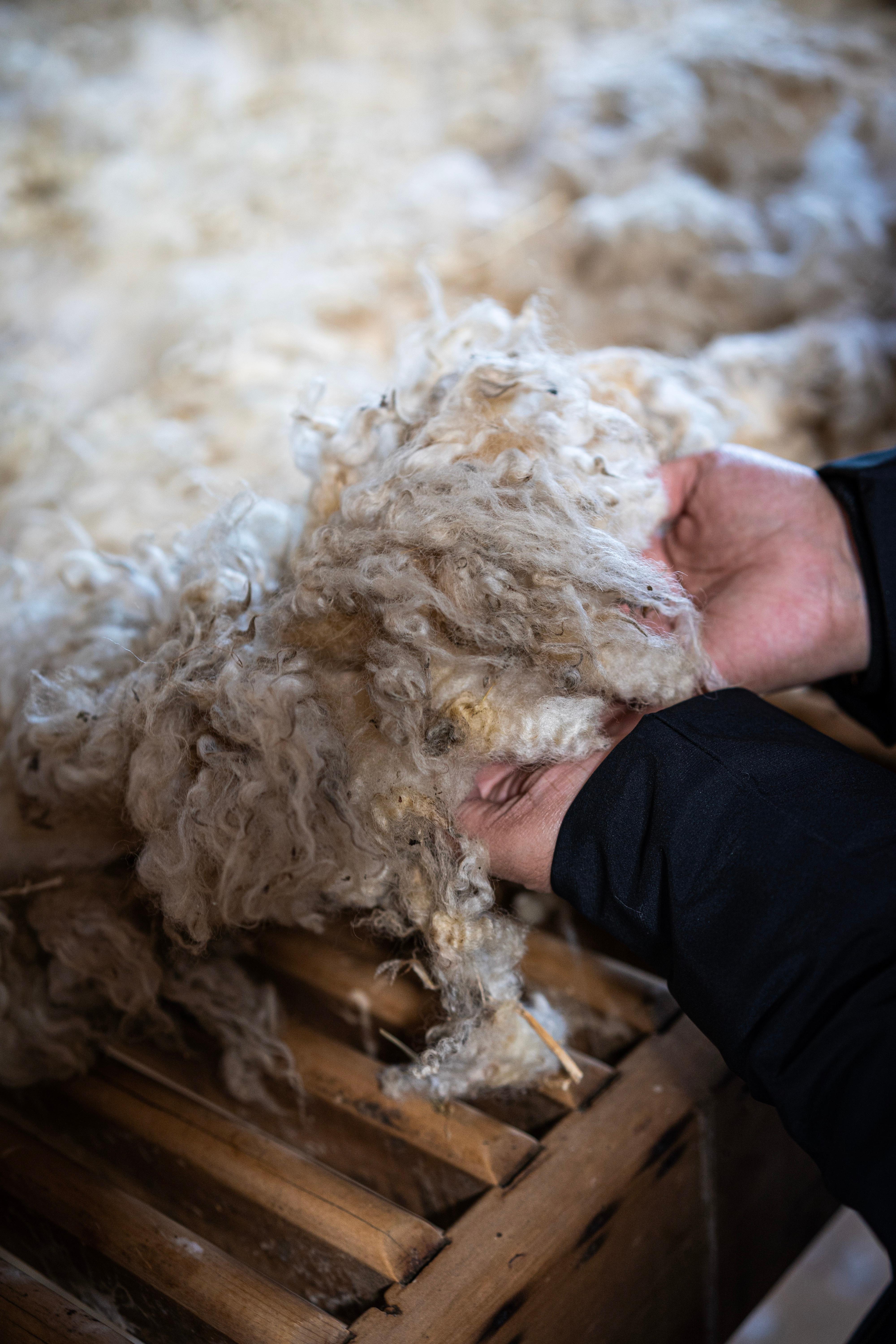
THE Australian wool market reacted with a very impressive bounce last week gaining all it lost in the previous week and a bit more in USD terms at least.
The AWEX EMI jumped by a confidence boosting 47 US cents over the two-day sale. The increase in Australian dollars was slightly less than it lost the previous week, but nevertheless an impressive 41 cents was added to the EMI in local currency terms.
All merino fleece, skirtings and cardings were dearer with most fleece Micron Price Guides gaining between 50 and 80 cents and with prices across the nation fairly closely matched which is usually an indicator of strength in the market.
Crossbred wools were dearer as well with the bulk category of 28-micron adding 45 cents for the week. The NZ sale on Thursday again jumped 24 cents higher and the NZ indicator is now within striking distance of its previous record high.
The trade had seemingly bullied the wool market into easing and may have won the battle, but not the war.
Last week, with some sporadic fresh business being done, early-stage processors looking over their stark greasy wool supplies and the processing season only six weeks from ramping up again, the collective headed up the ramp into the shearing shed once more.
Having a relatively small offering of only 23,500 bales across the nation, and nothing in South Africa last week meant that buyers could not afford to hold back if they wanted to fill one container, let alone two or three.
Some of the major buyers were a little more circumspect, however, there were enough others bidding in their place to keep things moving along briskly.
It was still only August, and the processing industry was either still on holidays, as it the case with most Europeans, or attending exhibitions to meet clients and get a better understanding of what next season will be like in terms of demand.
While the Italian fraternity was largely still enjoying the last couple of days on the beach, in slightly less exhausting temperatures with only a couple of mills returning to work last week, the rest of the world took to the pavilions in Shanghai for the Intertextiles and Spinexpo exhibitions.
New concepts in fabric and yarn were the order of the day and a chance to meet with prospective new customers and talk with existing customers about the year ahead were the order of the day in Shanghai.
Much focus was given to the buzzwords of the textile industry around providing materials that combine functional comfort with sustainability.
Nothing new from a wool perspective as the fibre has been providing these properties for a couple of thousand years now, but the marketing gurus obviously need to create a ‘new’ program each year.
So, at Intertextile this year they have unveiled the Cube, which highlights innovations across thermal regulation, moisture management, and protection with something called the Econogy Hub where buyers are able to identify verified sustainable suppliers and listen to Econogy Talks.
Merino wool, through the work being done by The Woolmark Company and major processors and brands, has been at the forefront of sustainability and other properties for several years now and perhaps the rest of the textile industry is finally catching up.
Nevertheless, with merino only making up around 1 per cent of all apparel these days it is imperative that the wool industry catches a ride on the train, even if they helped to design the vehicle in the first place.
Many pure wool manufacturers are facing difficult times and having trouble cutting through with their customers at the current price level, so that blending a discussion around the latest concepts and indeed blending the fibre with other materials may ease the pain for them.
The traditional suit market is not dead, but virtually so for many ‘old fashioned’ manufacturers, with a change in fashion and pure economics forcing them to re-evaluate their business model.
Knitwear has been a boon for the industry and created demand that has helped to increase price levels for Australian growers back into the profitable range, but the risk is that the once important segment of worsted fabric manufacturers gets left on the scrap heap, and they consume a lot of wool.
Being able to promote their fabric as functional, moisture managing and sustainable are some of the advantages they desperately need to re-engage with their customer base and sell meterage of fabric.
A further rise in the price of wool, which seems inevitable in coming months will send many of the current weavers to the wall, which benefits nobody, so hopefully some of these “new” concepts from Intertextiles and the like can generate some renewed enthusiasm for wool and wool blend fabrics for the coming season.
In the other section of the wardrobe the knitwear industry is certainly performing better, and they have high expectations for the coming season.
Current temperatures in the northern hemisphere are not exactly conducive to selling someone a new sweater, but the success of the knitwear segment last season bodes well for the coming one as well provided that the consumers are willing to part with their hard-earned cash.
Interesting times ahead for the wool industry with prices seemingly heading up, some sectors content with this and some definitely facing price resistance.
DAMIEN WHITELEY, ELDERS DISTRICT WOOL MANAGER




Add new comment