
Fine family, fine wool
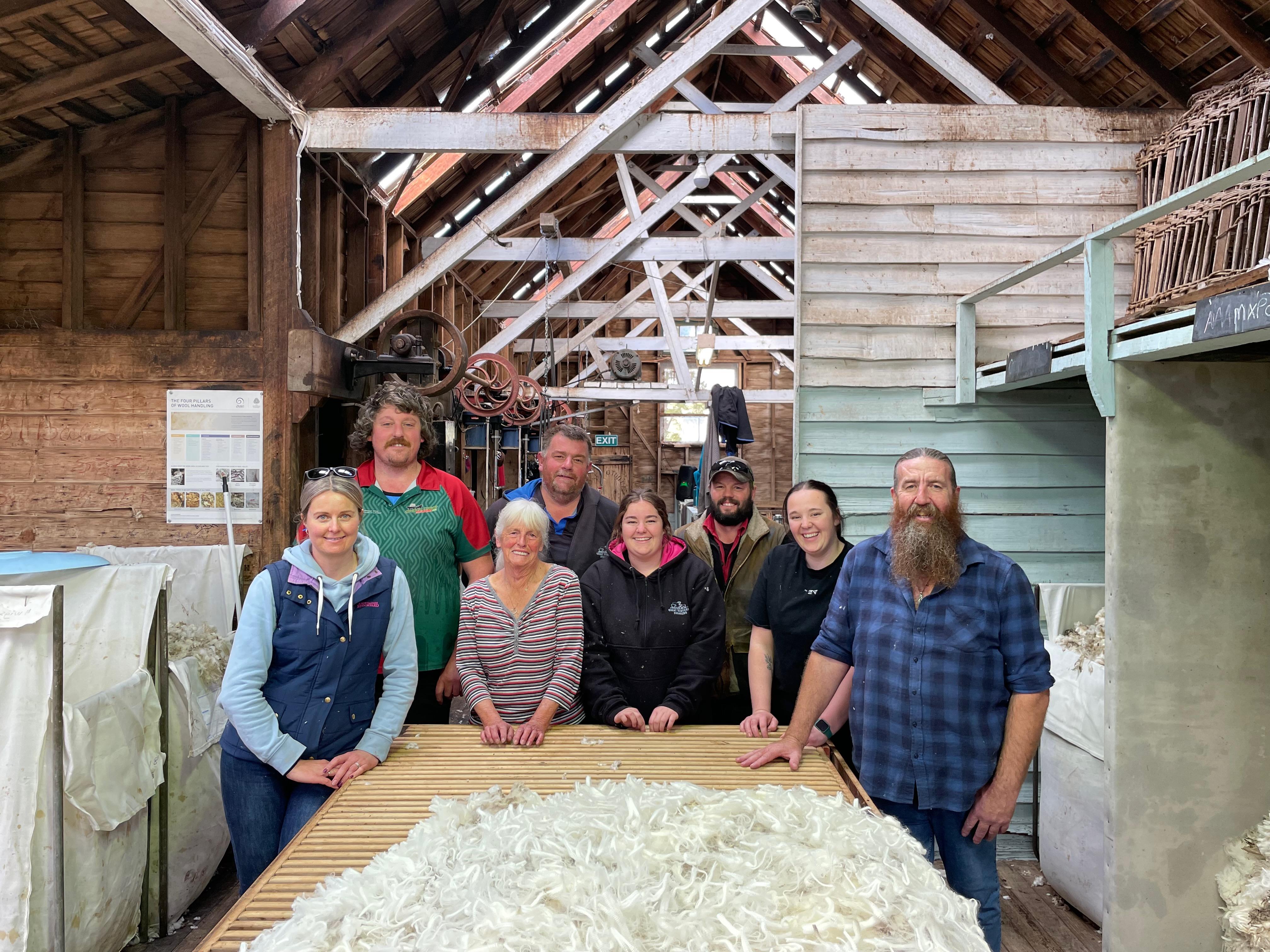
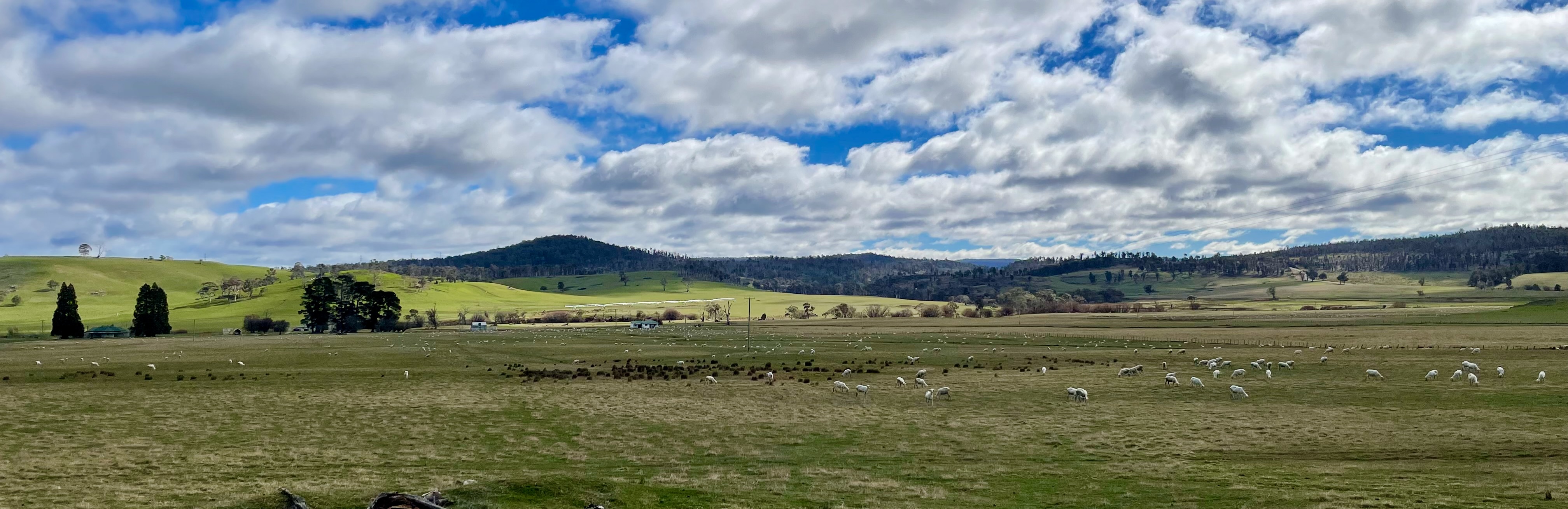
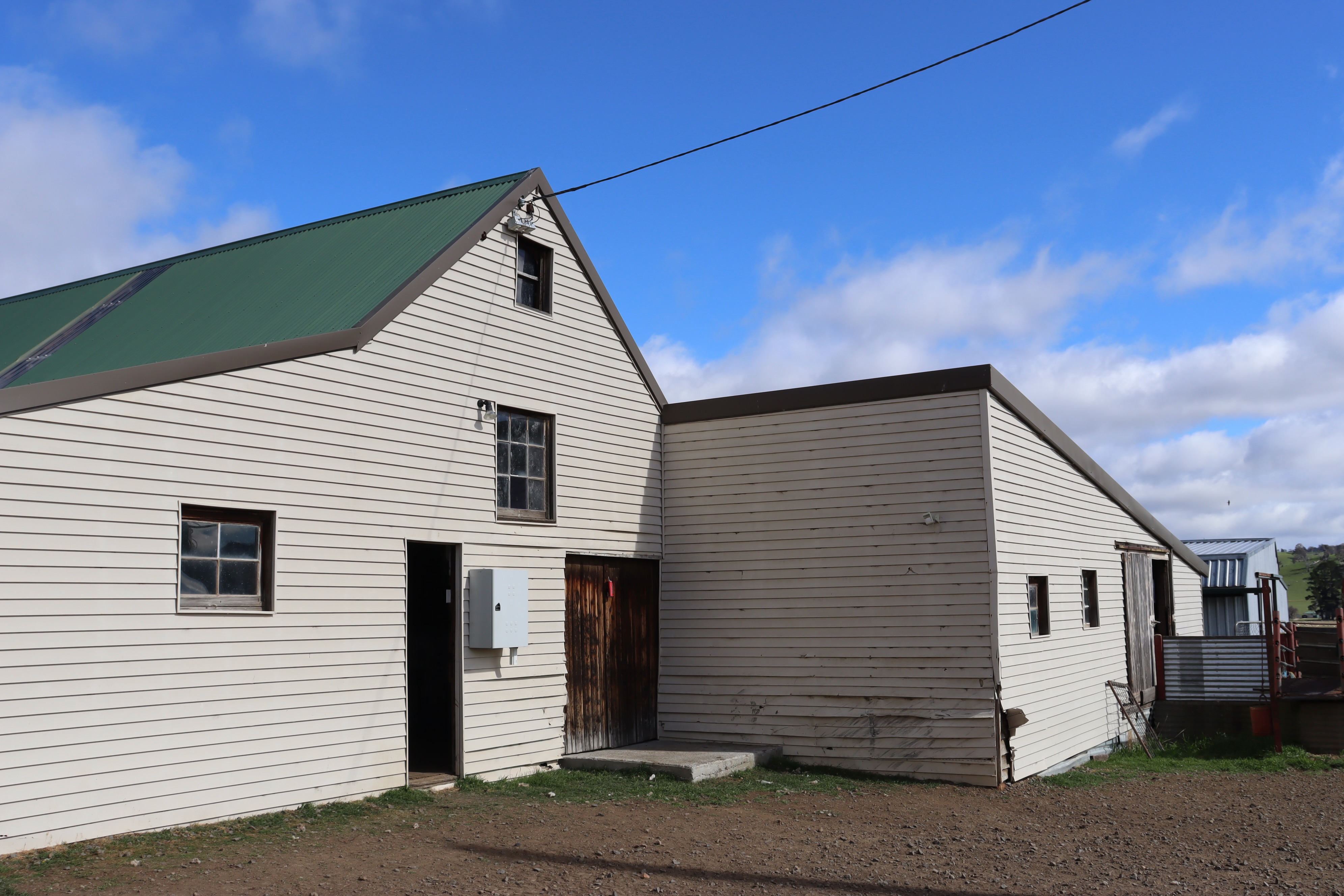
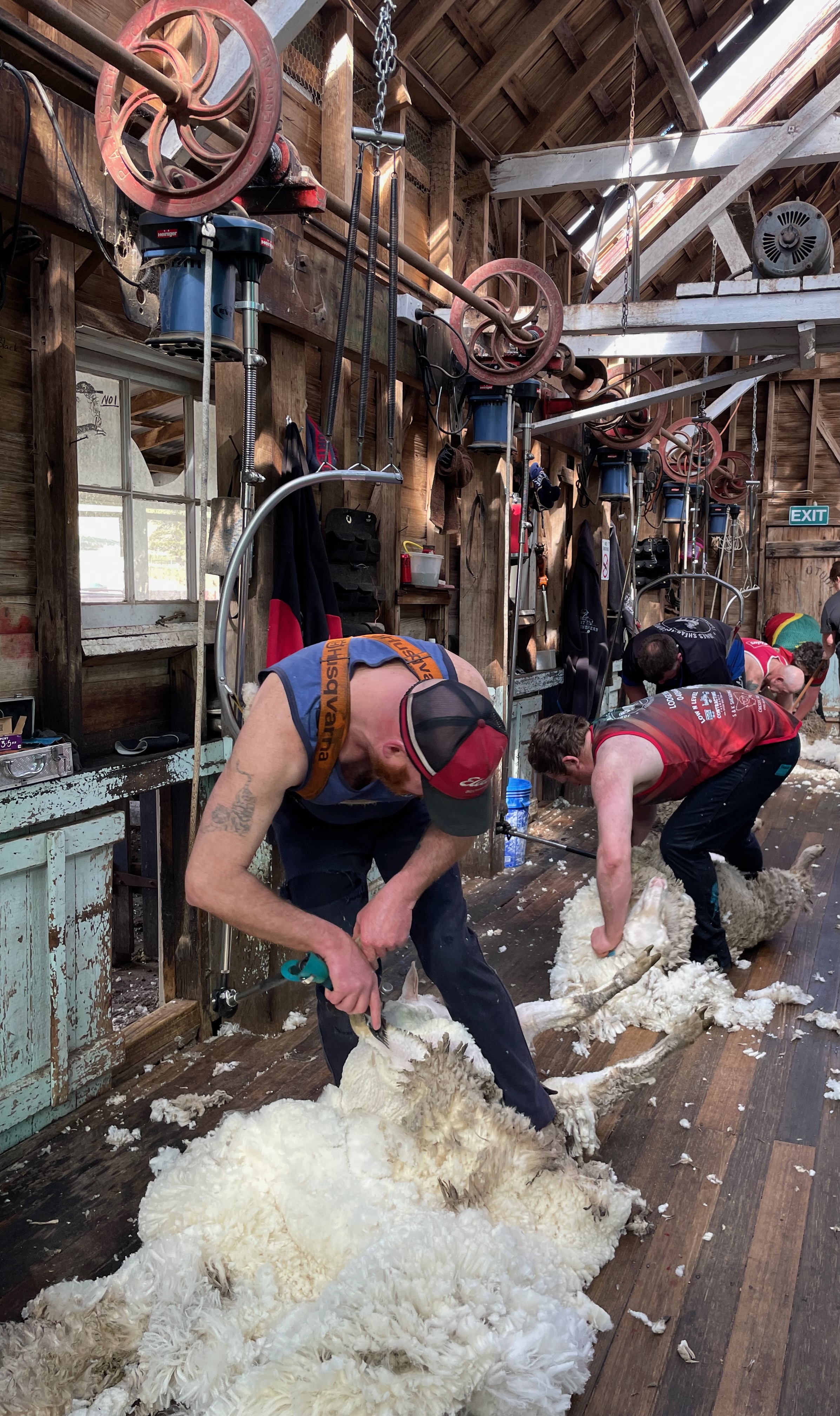
Shearing sheep has been a constant at Hunterston, near Bothwell, for nearly 200 years, but last week the historic shearing shed witnessed something out of the ordinary.
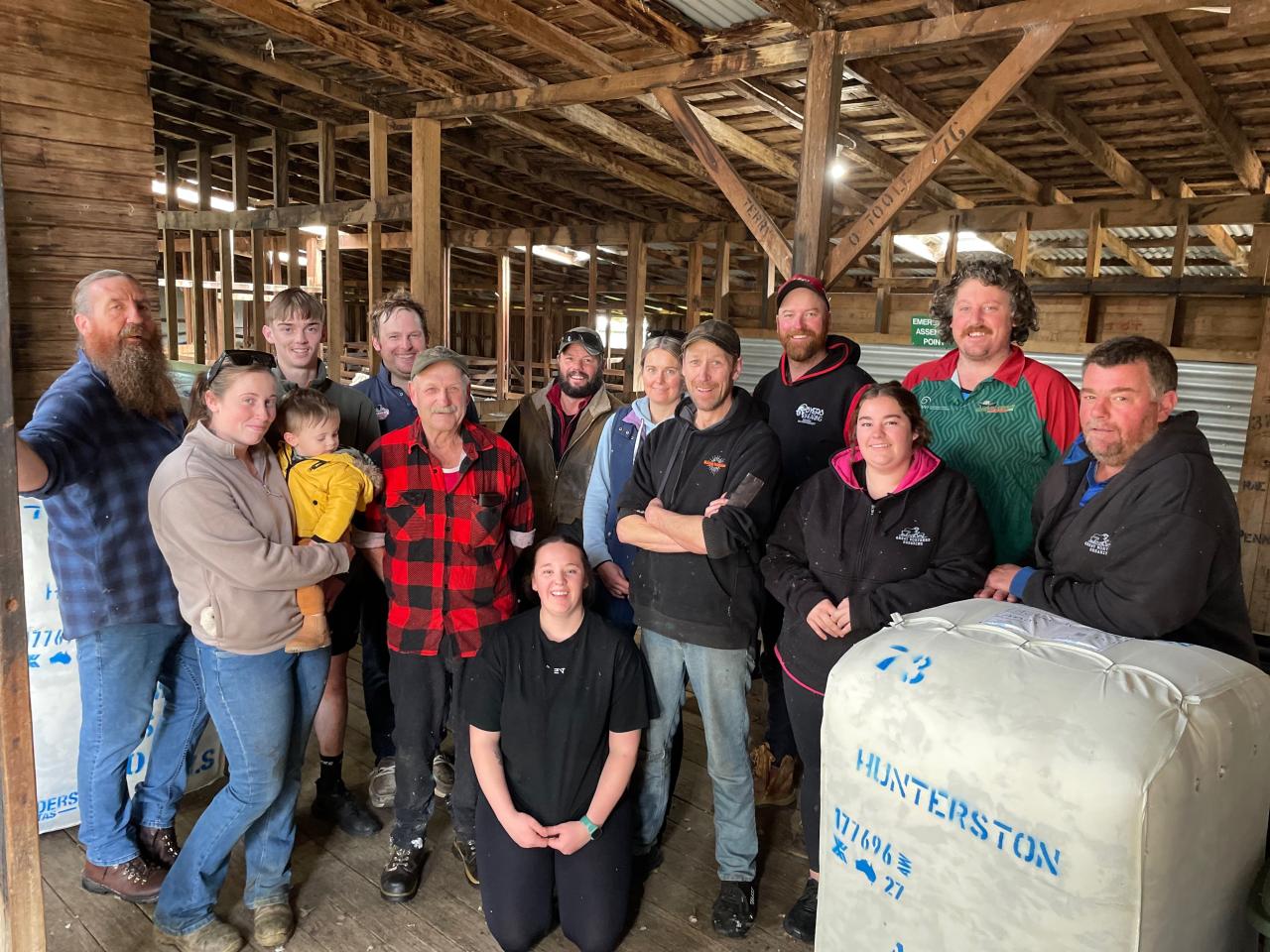
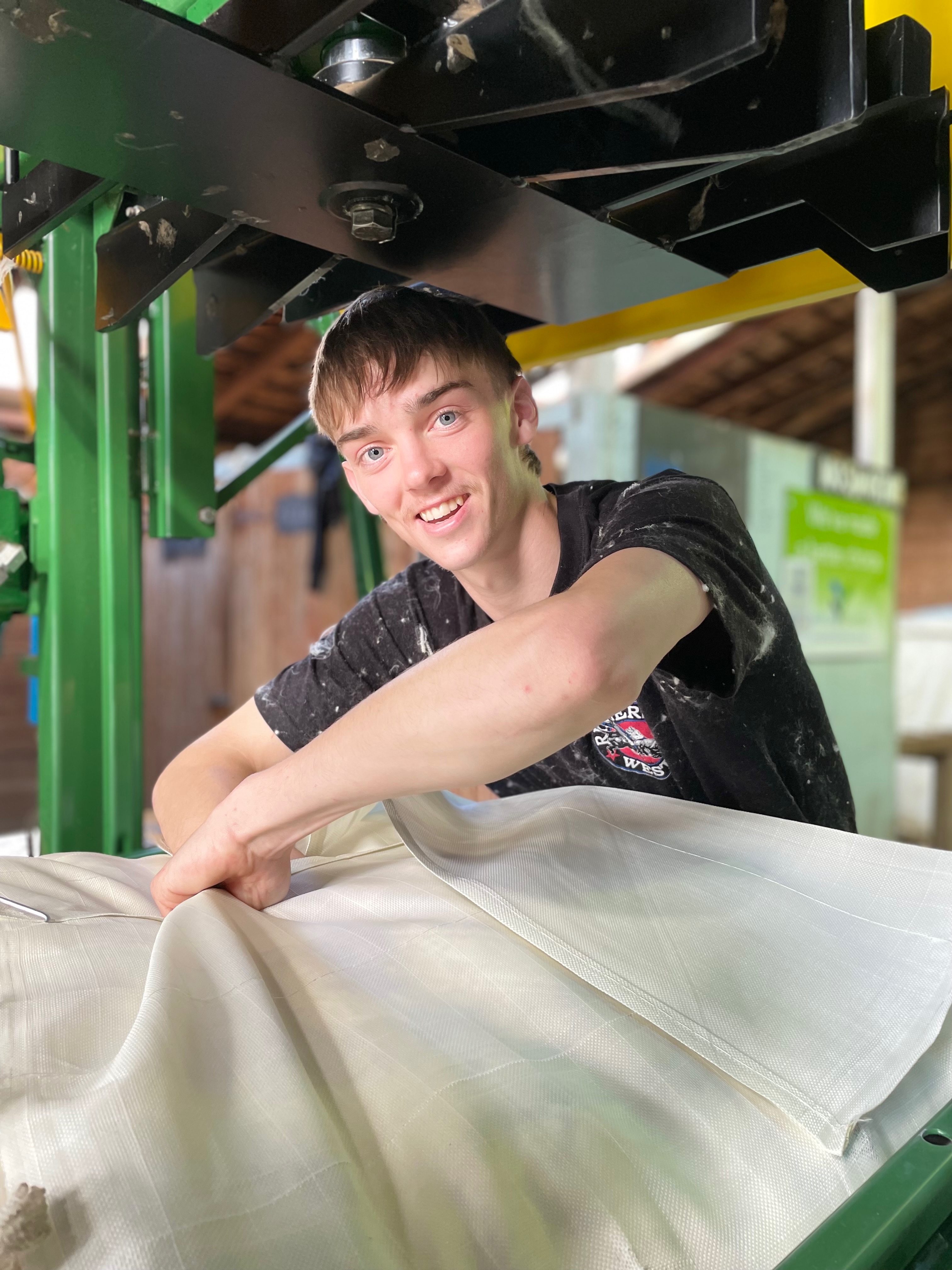
The new shearing crew for property owners Dean and Kasey Monks included six members of the same family, including contractor Scott Jones from Western Creek.
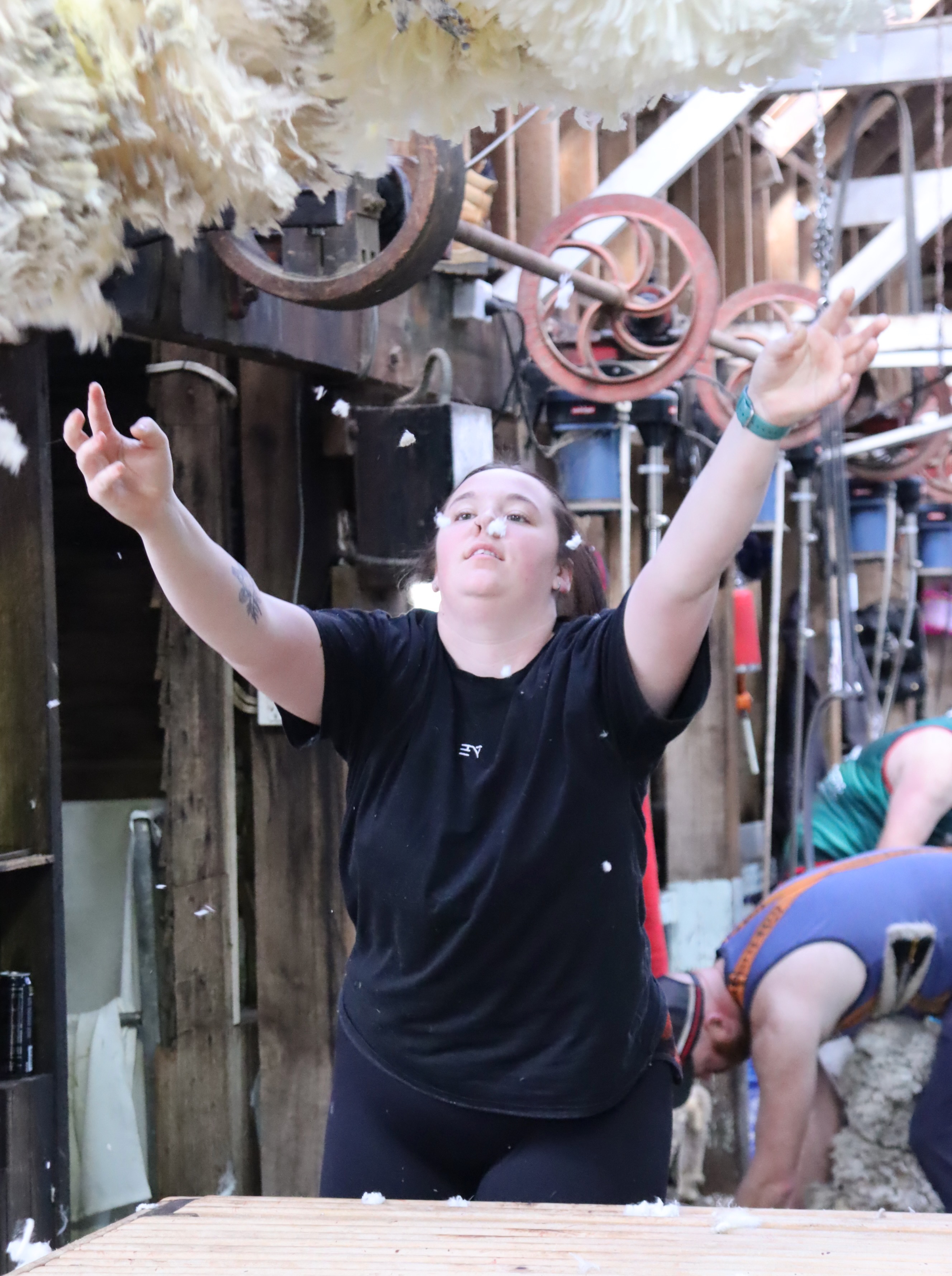
Scott had his mum Mandy cooking for the team, his brother Jackson alongside him shearing, cousin Jason Rogers was wool classing and two of the shed-hands, Oliver and Jasmine Haney, are also his cousins.
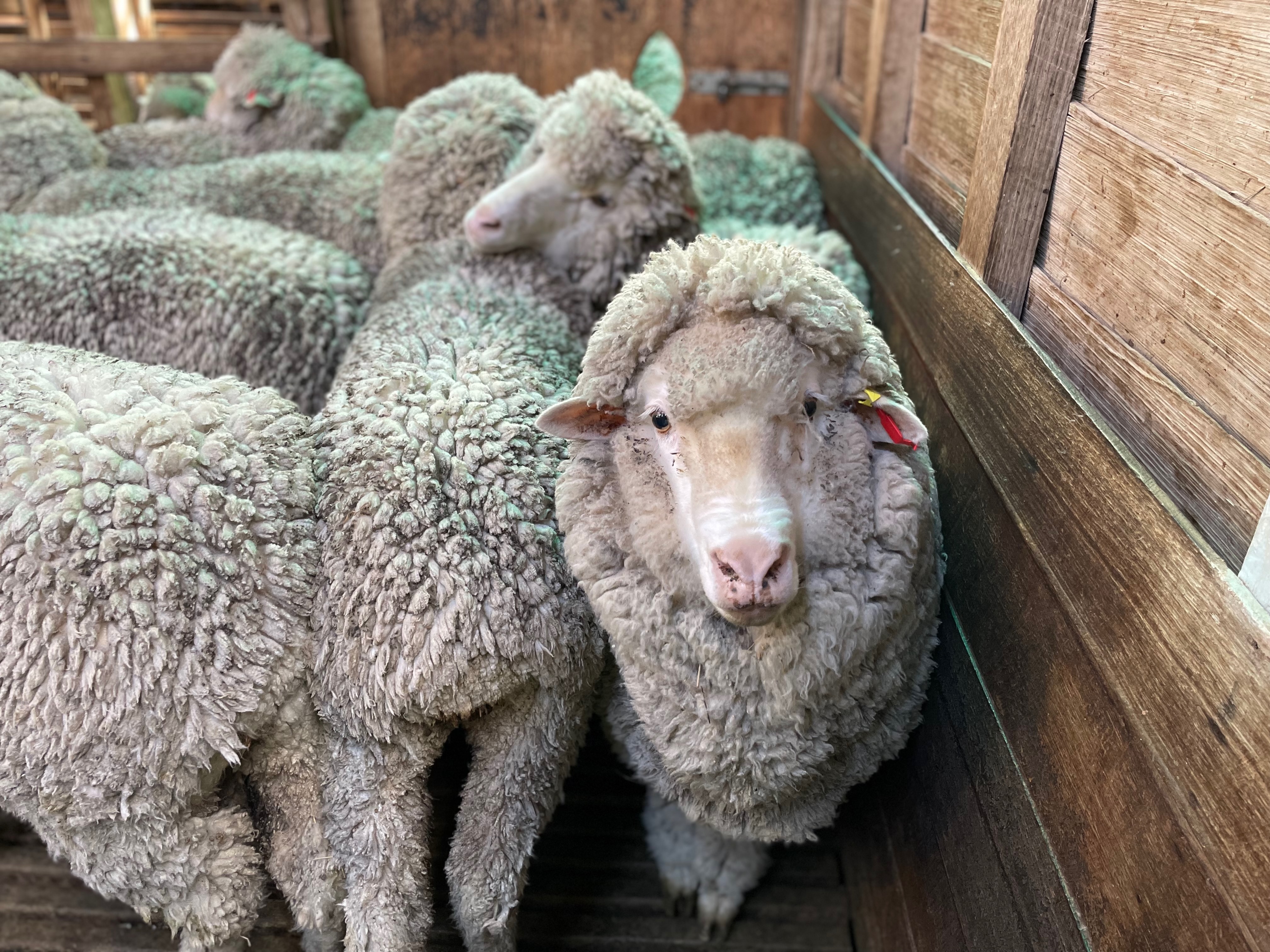
All up five shearers spent a bit over six days removing the fleece from 5000 fine wool merinos with everyone working together like a well-oiled machine - mustering, shearing, wool handling and pressing.
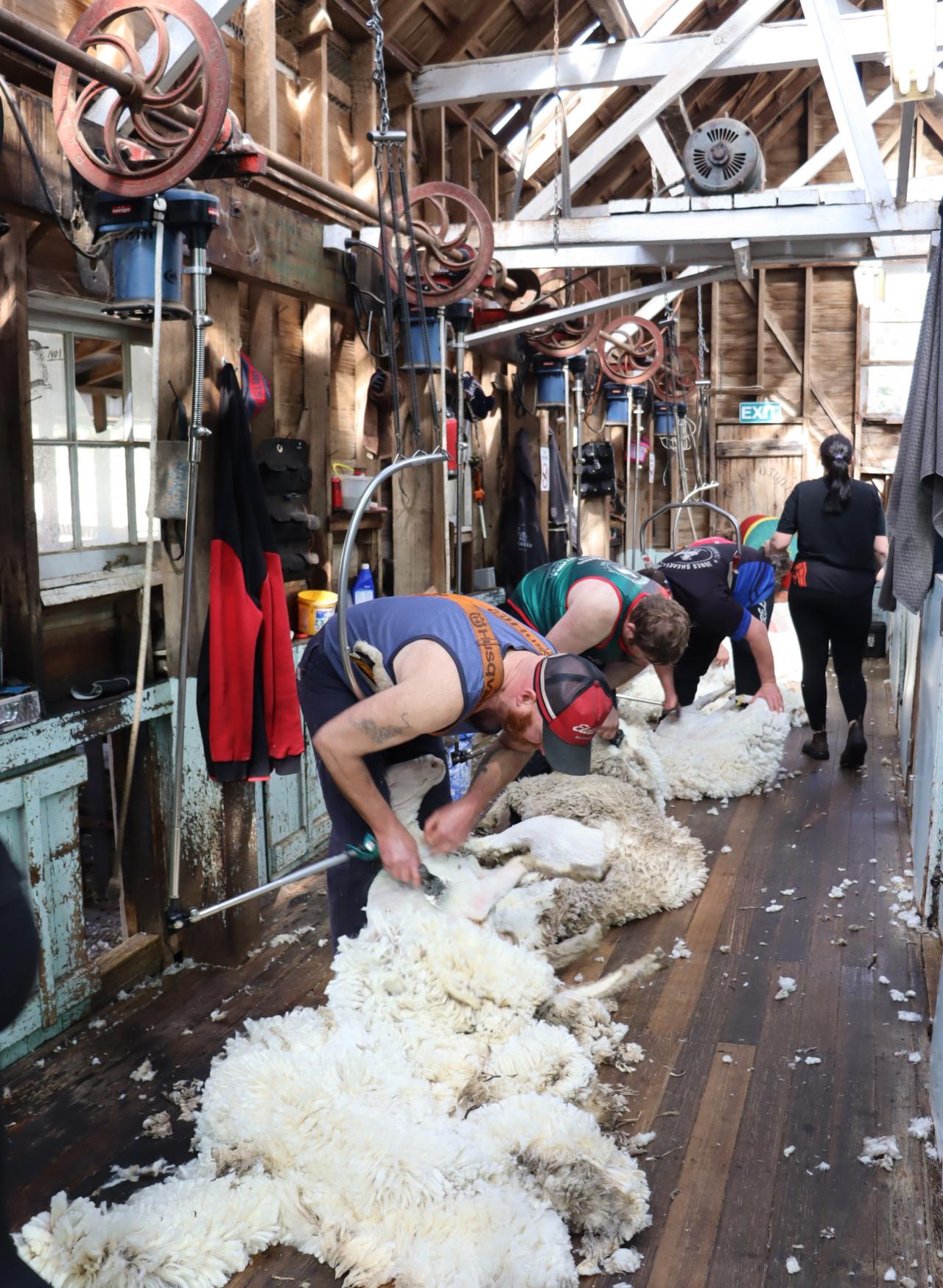
The old shearing shed is a bit cramped on the boards but the atmosphere was upbeat under the hand-split beams and timber shingle roof with heavy rock music almost drowning out the buzz of the clippers.
Mandy kept the food coming - morning and afternoon tea, lunch and dinner - fuelling the workers who have one of the most physically demanding jobs in farming.
Scott said that while he was a new contractor for Hunterston, he had shorn there before and the family has a deep connection to the property, with both his dad and his grandfather having worked as shearers in the same shed.
“We all get on well and get the job done efficiently - this was our last job before a quick break of a couple of weeks before starting the Deloraine and Hagley run and then it’s full steam ahead to the west coast and then back to the central highlands,” he said.
“It’s getting to the point where there will soon be no gap and we’ll be shearing all year round.”
Hunterston was first acquired by pastoralist Nathaniel Paul Allison in the mid 1860s who established the property as a major sheep run.
Throughout the 20th Century descendants of the Allison family, including Nathaniel's grandson Dudley Allison, continued working the high-country pastoral leases and associated highland runs like The Branches and Allisons Hut well into the 1950s.
When the Hydro-Electric Corporation (HEC) dam developments flooded and altered the surrounding river systems, the Allisons were forced to give up their highland leases and the Hunterston estate was taken on by the Monks family.
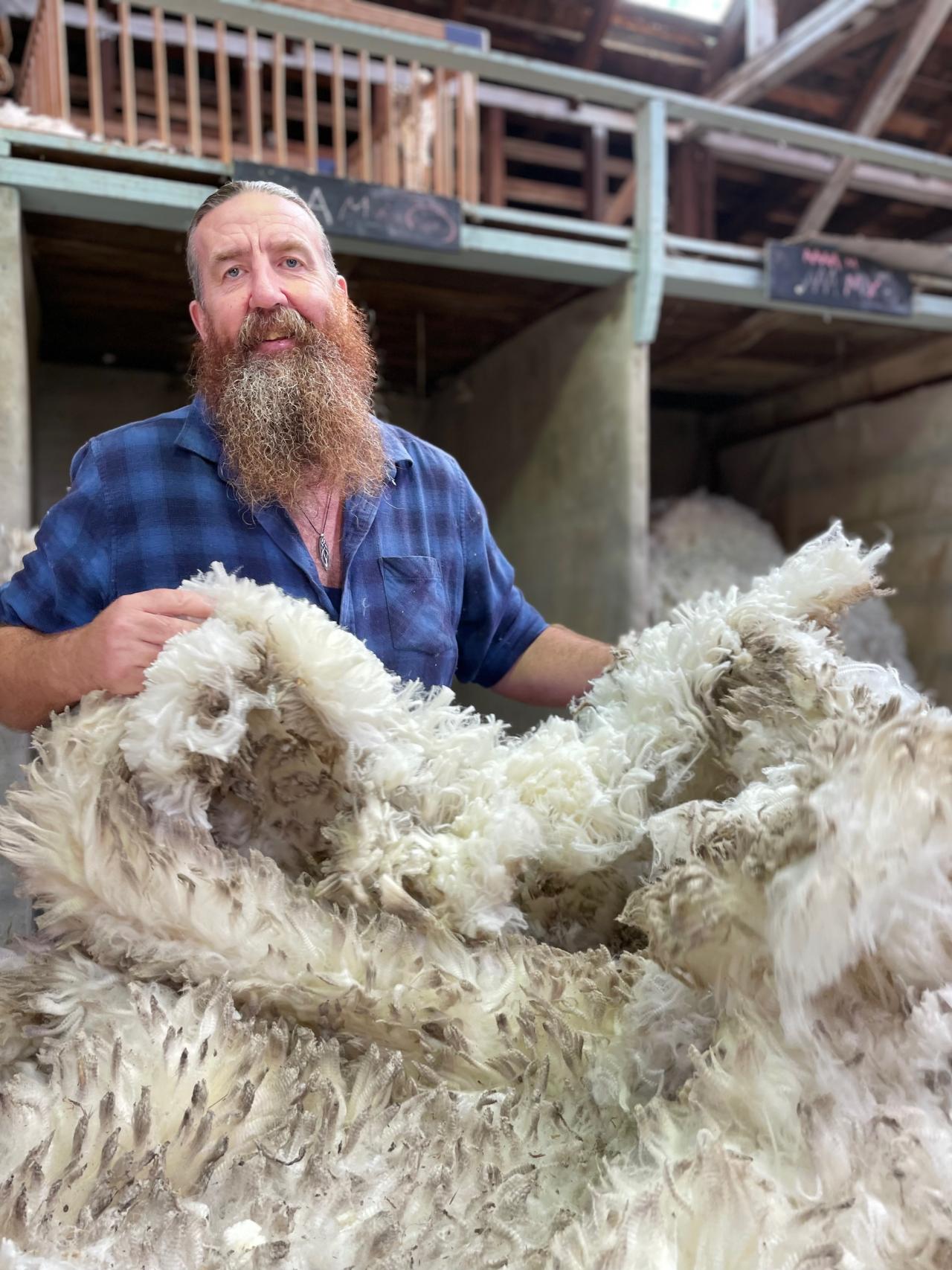
Recent years have seen Dean and Kacey push for finer merino wool and wool classer Jason Rogers said that the clip was probably around the 16.5 micron mark and on a trajectory to get finer.
The timing couldn’t be better.
The Australian wool market is currently experiencing a significant resurgence and the Monks, like all wool growers, are keen to put the lull of the past four years in the rear view mirror.
In the past week wool prices have jumped by nearly a dollar per kilo and are closing in on the $20 per kilogram milestone.
Low sheep numbers and years of low returns have caused Australian wool production to drop to a 100-year low, but fine Merino wool (18.5 micron and finer) is leading the way with a rebound.
Elders district wool manager Mell Morris said that a good yielding operation like Responsible Wool Standards-accredited Hunterston, which has minimal dust and seed penetration, isn’t too greasy and is basically good clean wool from non-mulesed sheep, would average 1800 cents per kilo on the current market.
A bale of 16.5 micron wool could expect to fetch on average $3300.
“Finer wool in the 17 microns is trending awesome, in the 16s are going well and 15 micron is still in a bit of a lull,” she said.
“Hunterston is not only breeding some fine types of wool but they’re also getting a good lambing percentage and that’s what you want with dual-purpose sheep.
“There’s not much cross-bred wool on the market from New Zealand so that’s also helping.”





Add new comment