
Rushy Lagoon's new owner speaks out
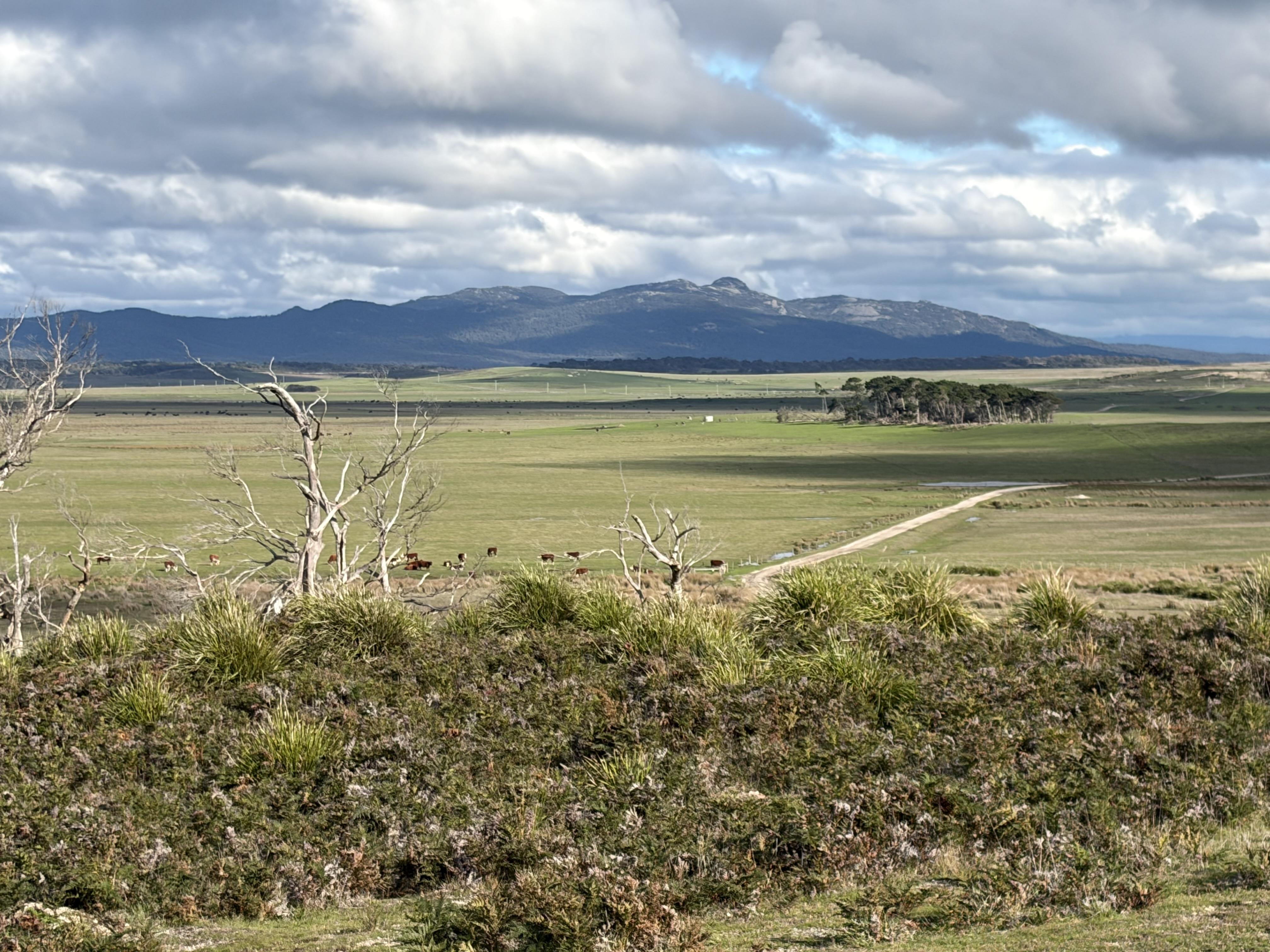
Rushy Lagoon land is best suited to sustainable forestry but will maintain and grow a beef cattle operation and potentially have some cropping and agri-tourism added to its portfolio, according to its new owner.
Major shareholder Gresham House has broken its silence to address community concerns about the future of the state’s largest agricultural holding since the $143 million sale was approved by the Federal Treasurer last week.
Rushy Lagoon has been bought by the Tasmania Natural Asset Trust (TNAT), an investment platform managed by UK forestry giant Gresham House, which has appointed former Harvest Moon chief agriculture officer Jonno Craven as its Tasmanian Asset Manager and spokesperson.
Australian Government-owned green bank, the Clean Energy Finance Corporation (CEFC) invested $69 million and Gresham House and Aviva Investors jointly contributed $73 million.
With two weeks to go before the contract is signed, the deal has prompted opposing public meetings to both promote and oppose the project.
The TNAT will hold a public information session about the Rushy Lagoon Project at the Gladstone Hall, 1 Carr St, on Saturday, July 25, 10am-3pm (1 Carr St, Gladstone) and again on the Sunday, July 26 at the Scottsdale Recreation Ground, 49B George St, 10am-3pm.
More information is available at www.greshamhouse.com/rushy-lagoon
TasFarmers will hold a community meeting on Friday, July 17 at the Scottsdale Mechanics Institute, 11 King St at 10am, and invites concerned members of the public to help send a message to the Prime Minister that they want the deal reversed.
Rushy Lagoon and the neighbouring East Wyambi and Red Hills properties have been owned by New Zealand’s Pye family for the past 30 years and the land has supported multiple dairies, beef, sheep and cropping operations.
A change of land use to forestry has been met with disappointment and anger from the broader Tasmanian farming community although Gresham House says that most objections are based on emotion and not reality.
Mr Craven said today that the redevelopment of Rushy Lagoon was an exciting project and that there had been “a lot of misinformation circulated” and that it was good to have the foreign-owned business back partially in Australian hands.
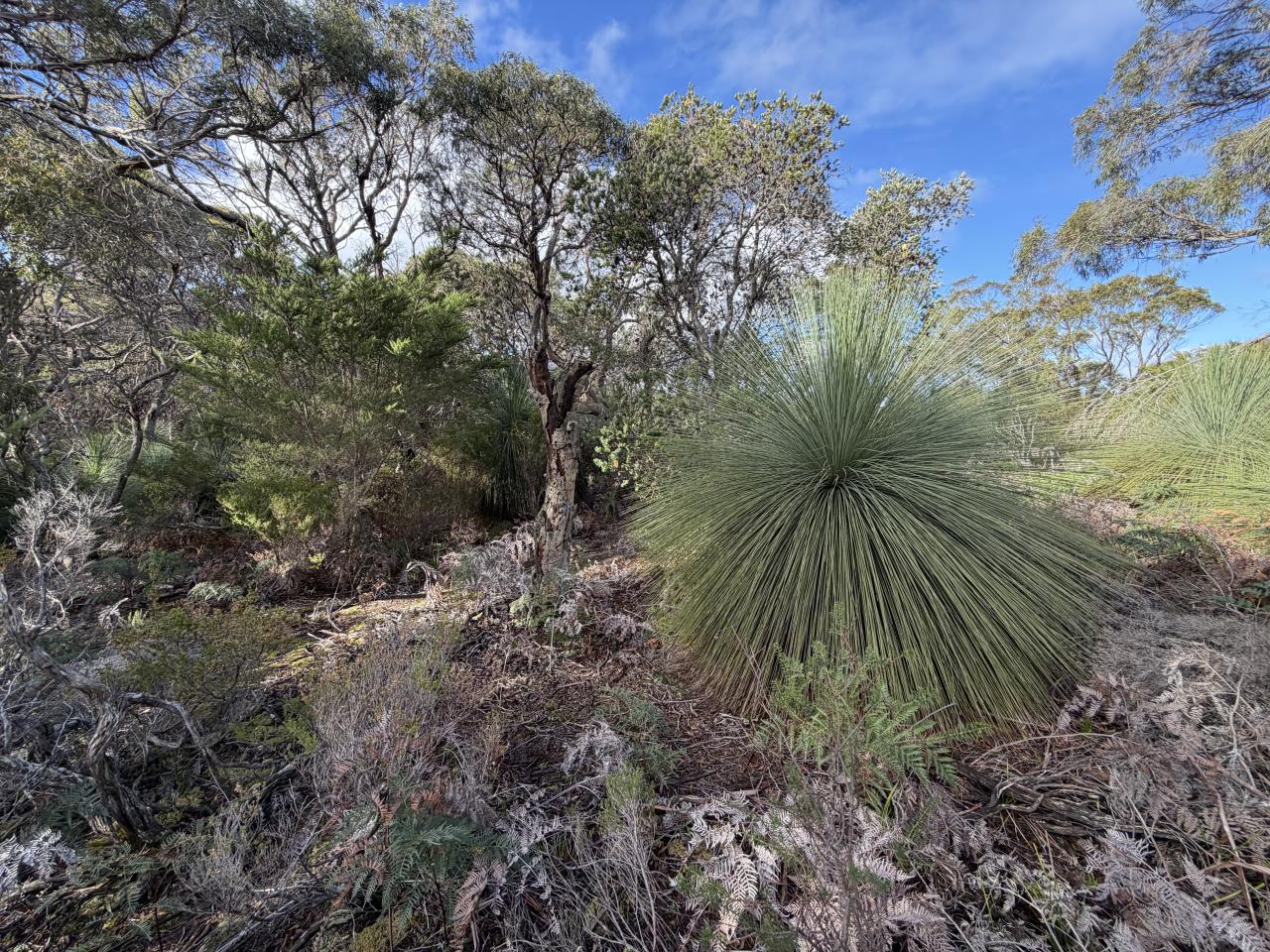
“Rushy has a large land base of 21,745ha with about 9000ha of coastal dunes, wetlands and native vegetation so high environmental and social governance standards will have to be applied - it’s not just a forestation project it will also be a large conservation project,” he said.
“The balance of dryland grazing has 1300ha under irrigation so there’s some cropping potential but it’s largely low-value farmland.
“The remaining 14,000ha will have 10,000 of radiata pine planted plus 1000ha of environmental planting of native species in highly sensitive areas near lagoons and wetlands and for wildlife corridors.”
The last of three dairies, still currently milking on two platforms, will be mothballed with the cattle already dried off by the vendor.
Farm manager Rodney Moore, who has worked the property for the past 30 years, will continue to manage 3100 Angus and Hereford beef cattle, due to calve down in August, which will be offered for sale along with a land lease.
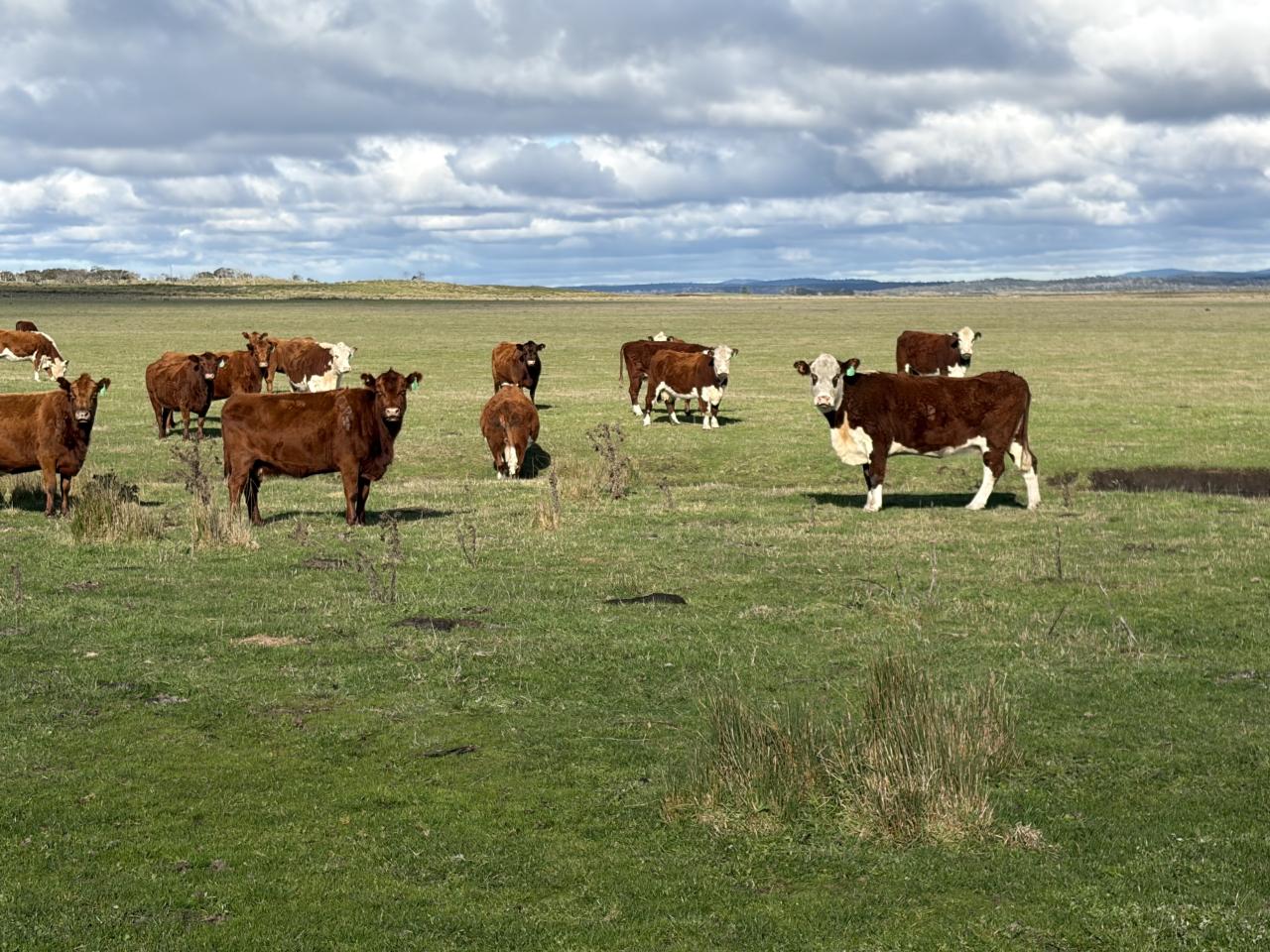
“Rushy will continue to graze cattle, although there is a small reduction in livestock with the closure of the dairy, but importantly the forestry operation will replace a significant amount of forestry lost in the north-east in recent years and it will underpin the forestry industry in the state for the next 30 years,” Mr Craven said.
“More irrigation and cropping is also a possibility and numerous houses on the property will be used for staff accommodation and perhaps holiday rentals as we look to establish agri-tourism.
“One option is cruising mountain biking - it’s an amazing landscape along the coastline and around the dunes.”
Mr Craven refuted claims that locals had been blocked from purchasing the property.
“It’s been on the market three times in the past 10 years and it hasn’t sold, and this latest process has taken two years and the dairies have been put on the market and there were no bidders,” Mr Craven said.
“The upshot is Rushy needs a significant capital investment and people who have come here have realised that.
“With forestry there will be around 190 jobs created over the life of the project with significant employment in earthworks, weed control, vermin control and fencing.
“We are looking at resurrecting a sawmill in the north-east to process the radiata pine which will be used in the Australian construction industry.”
The sale of Rushy Lagoon has elicited a strong response from around the State and further afield from those worried about future food security.
According to TasFarmers CEO Nathan Calman, the TasFarmers office phone has rung off the hook with people outraged by the Treasurer's decision and the lack of consultation with the community that was taken prior to the decision being made.
He said that to date the Premier's call to the Prime Minister to reverse the Treasurer's decision and consult with the community has been met with silence.
"We believe that the Treasurer has made this decision based on a range of incorrect pieces of information that were put forward by Gresham House, as the project proponent, including the number of jobs that would be generated by the land use change, which they're quoting at 190 over the life of the project,” Mr Calman said.
"We feel that statement in itself is incredibly misleading because it probably equates to less than five full-time ongoing jobs in the community, which is probably less than 10 percent of the employees currently directly working on the site."
On the broader question of the property's long term productive capacity, Mr Calman said TasFarmers' own analysis suggested the economic potential of retaining the land in food production had been significantly understated.
"Our internal analysis would indicate that the three dairies on their own under a high input, high output model of production could employ well in excess of 100 people full time, which would be a boon for the area."
"That's in addition to probably a further 50 full-time employees operating the remainder of the dry land as a cropping and grazing operation."
Mr Calman said significant questions also remained about the Commonwealth's role in the transaction, including the timing of the Clean Energy Finance Corporation's $69 million commitment to the purchase and the Foreign Investment Review Board approval process.
"There's still a range of unanswered questions as well around who gave Gresham House the confidence to purchase 2 million pine trees ahead of the property being approved for purchase by the Foreign Investment Review Board."
Mr Calman said the consultation process described by the Commonwealth did not reflect the experience of the local community or the agricultural sector.
"Minister Collins, in her statement, said that the sale had been through a rigorous process examining whether this was in the region's best interest.
“Despite that, nobody consulted with either the region, the local government, or the industry association, which is incredibly misleading.
“In fact we know that representations made to the federal government by the state government, local government and TasFarmers all appeared to have been ignored.
The Federal Government's clear interest as an equity partner in the purchase must be called out as a conflict which appears to have influenced their decision in what is in the region’s best interest.”
CEFC Head of Natural Capital, Heechung Sung said that the critical investment in Rushy Lagoon converts degraded farmland into a production model that will boost Australia’s forestry industry, create local jobs, support sustainable timber production, introduce sustainable grazing and protect the unique environment.
“It is a demonstration of the power of institutional capital to drive economic development for regional communities while also supporting decarbonisation and positive environmental outcomes,” she said.
She said direct benefits include:
• More than 190 new jobs over the life of the project.
• Production of approximately five million tonnes of timber and 3.2 million ACCUs.
• Timber will be grown under Forestry Stewardship Council (FSC) certification or
Programme for the Endorsement of Forest Certification (PEFC) and be processed by
Tasmanian sawmills to help offset a critical shortage of construction timber in the
Australian housing market.
“This initiative represents a long-term equity investment in nature and Australian forestry that will provide significant local employment and contractor opportunities.”


Add new comment
Comments
Federal Labor Minister.
Where is she supporting Rushy Lagoon,has she actually visited this location.Hats off to Jannie Finlay for State Labor support,I thought you would Federally Jess support your local constituents of whom elected yourself to parliament .
Maybe a trip to Rushy Lagoon and assess the site should be appropriate.
I