
TasFarmers Matters - Local effect of Trump's war
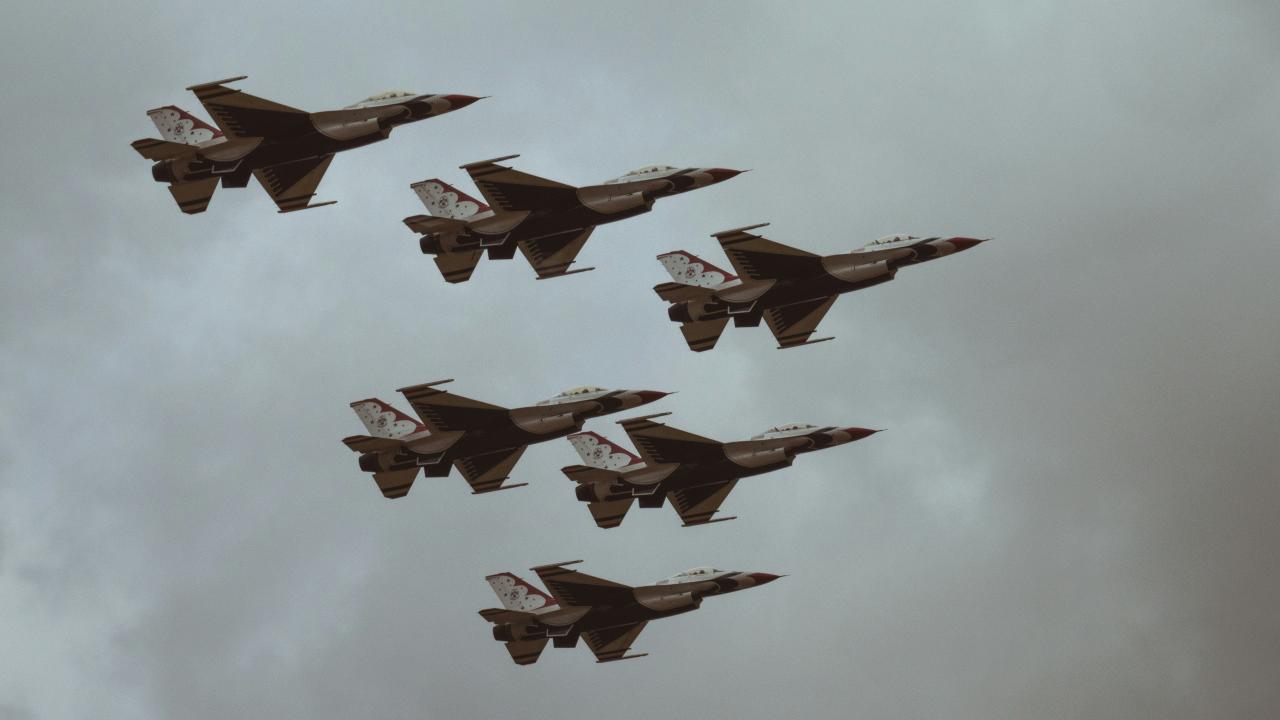
It’s easy to think of geopolitics as something distant and played out in faraway capitals, disconnected from paddocks in the Midlands or dairy sheds in the North West.
US President Trump doesn’t seem terribly concerned with the impact of his actions on little old Tasmania.
Tasmanian farmers, however, are increasingly aware that when triggers are pulled in the Middle East, the ricochets land here.
Right now, events unfolding thousands of kilometres away are shaping one of the most immediate risks facing Tasmanian agriculture: diesel supply.
Obviously, Tasmania doesn’t refine fuel, nor do we produce it.
Every litre that powers a tractor, harvester or freight truck arrives by ship, often after travelling through some of the most contested and strategically sensitive shipping lanes in the world.
That means our fuel system is not just a market, it’s an abstract supply chain exposed to disruption.
Recent global tensions have made that exposure visible.
Shipping routes through the Middle East have tightened. Freight costs have surged. Delivery timing has become less predictable.
For Tasmania, this doesn’t show up first as a headline; it shows up as a delayed tanker, a tightening supply window, or a sudden jump in price when your local agent fills up your on-farm storage.
And increasingly, one uncomfortable truth is emerging: global markets will be forced to rethink their reliance on Russian oil.
Despite international sanctions following the invasion of Ukraine, Russia remains one of the world’s largest energy exporters.
Much of its crude and refined fuel continues to find its way into global markets indirectly, rerouted through third countries or blended into broader supply streams.
The result is that even countries that don’t buy directly from Russia are still influenced by its production decisions.
If Russian supply tightens, whether through further sanctions, infrastructure disruption, or their strategic withholding, global diesel availability shrinks.
Prices will rise as competition intensifies.
Countries like Australia, already heavily reliant on imports, will feel the pressure quickly.
For Tasmanian farmers, the implications are sharper again.
Our system runs on timing.
Tankers arrive every few weeks, not every few days.
There is no large reserve quietly sitting in the background ready to absorb shocks.
When a shipment is delayed, the margin for error narrows immediately.
When multiple pressures align with global disruption, high demand, logistical constraints, the system groans and strains.
Tasmanian farmers sit at the tail end of that chain.
They are price takers in a global fuel market they cannot influence, yet are completely dependent on.
Diesel is not discretionary; it is as fundamental as rainfall.
When supply tightens or costs spike, it flows directly into the cost of production, freight, and ultimately food.
For many, fixed-price con tracts prevent growers from passing that cost on.
This is no longer a theoretical risk; it’s now a structural reality.
This raises a broader question for policymakers and industry alike: how comfortable are we with a system where the productivity of Tasmanian agriculture, and by default, Tasmania’s food security, depends so heavily on global oil flows, including those shaped by adversarial nations?
There are no easy fixes. Increasing storage helps, but doesn’t solve the supply issue.
Diversifying energy sources is essential but takes time.
Strengthening supply chain transparency would at least allow earlier warning of disruption and give farmers the ability to plan.
What is abundantly clear is that Tasmania’s fuel vulnerability is not temporary. It is built into the system: the current circumstances highlight our precariousness.
And until that changes, global oil politics, including the future role of Russia’s supply, will continue to be felt not in boardrooms or parliaments, but in the daily operations of Tasmanian farms.




Add new comment