
40 years later still taking the high ground
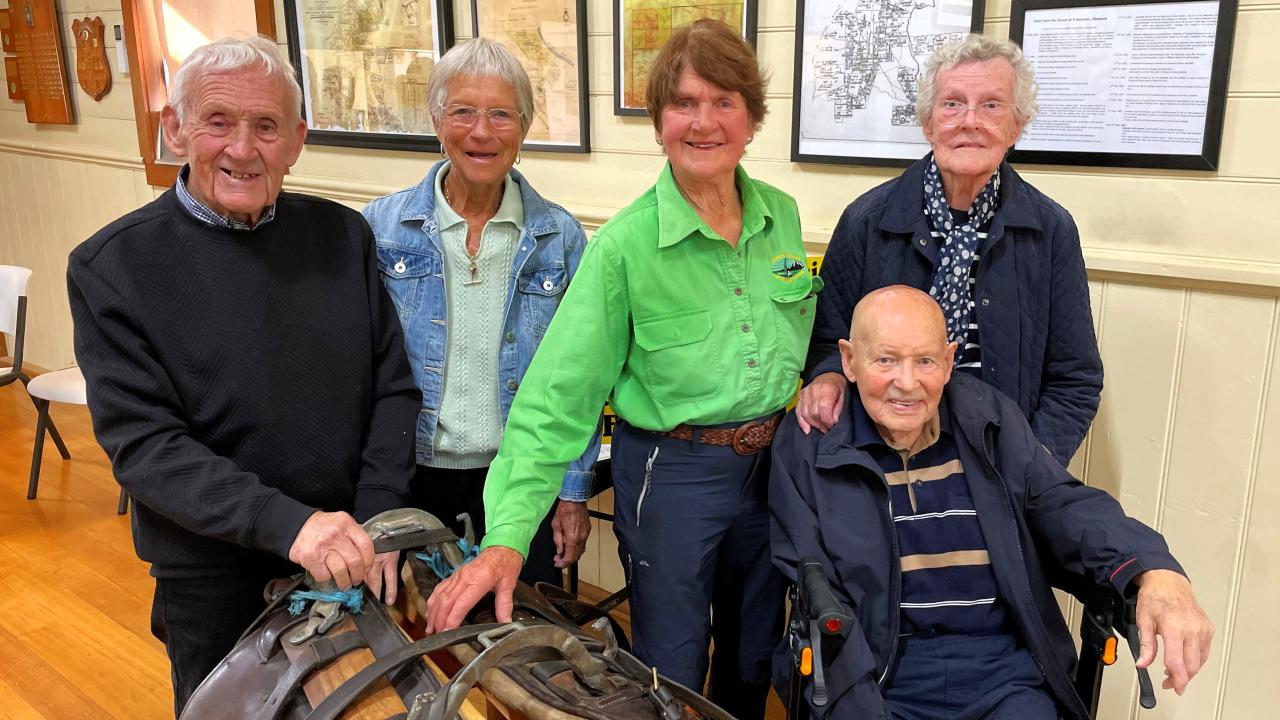
THEY came down from the mountains, and from around the state, to celebrate the 40th anniversary of the Tasmanian Mountain Cattlemen’s Association at the Meander Hall on March 13.
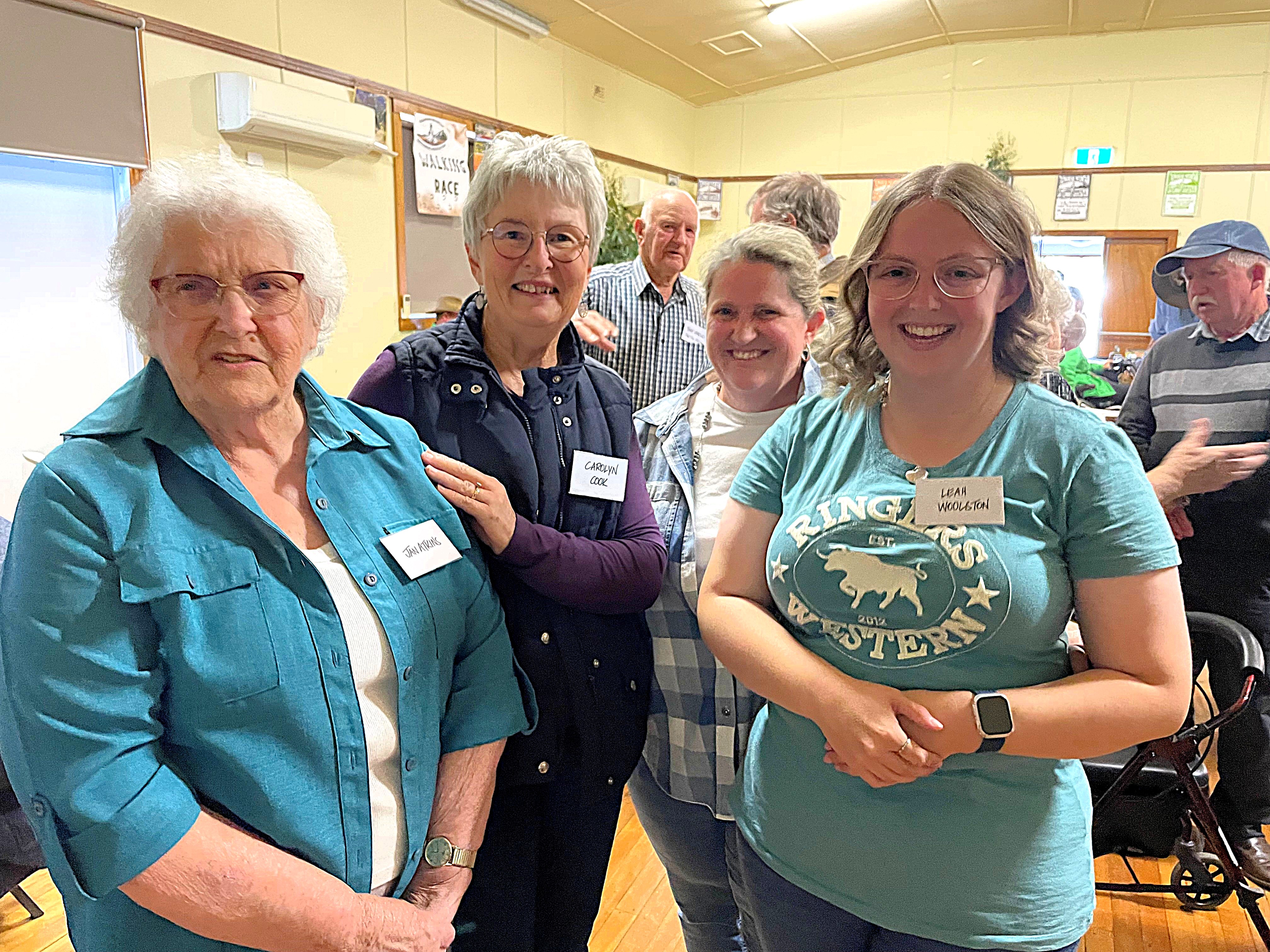
More than 115 past and present members, supporters and the extended TMCA family enjoyed a night of history and stories that revolved around their love for Tasmania’s high country, their fight to retain farming traditions and the friendships made on the ground and on horseback.
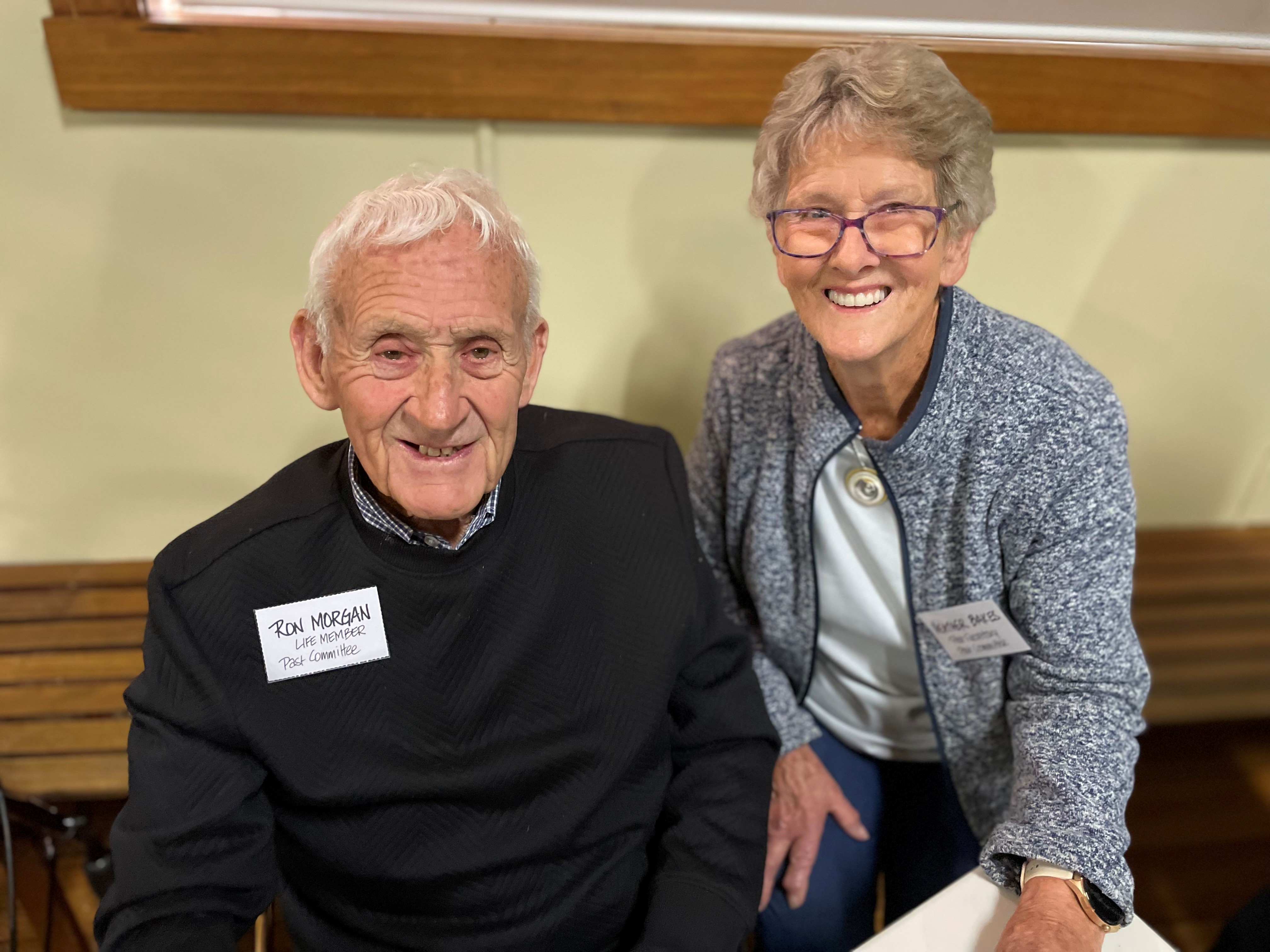
Five remaining foundation members were in attendance – Ron Morgan, Julie Lee, Judy Kilby and Dympna and Lloyd Evans as well as life members Ross Jones, Sallie Wadley, Tony Dixon, Sandra Rybarcyk, Ron Morgan and Tracey Boon.
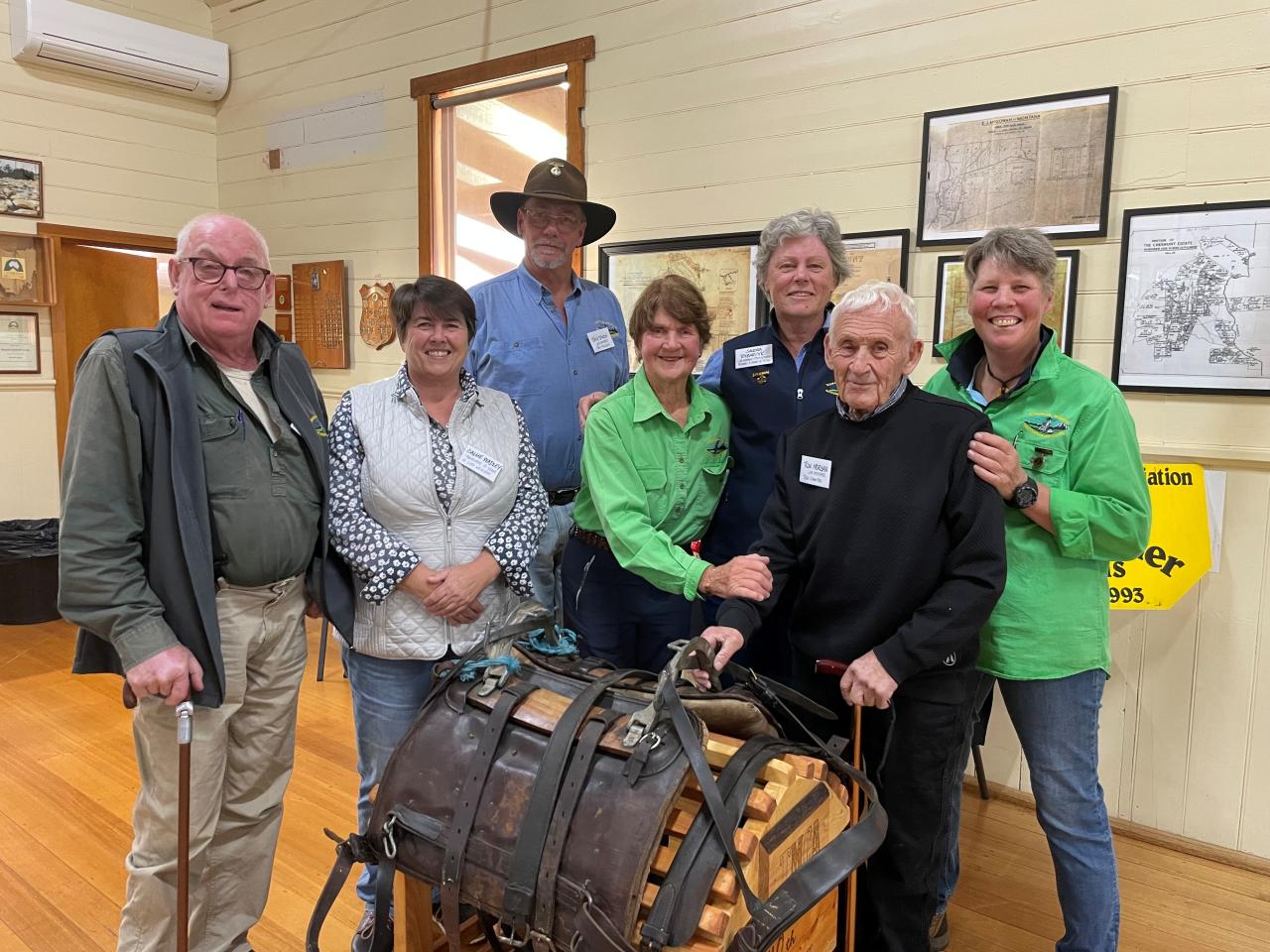
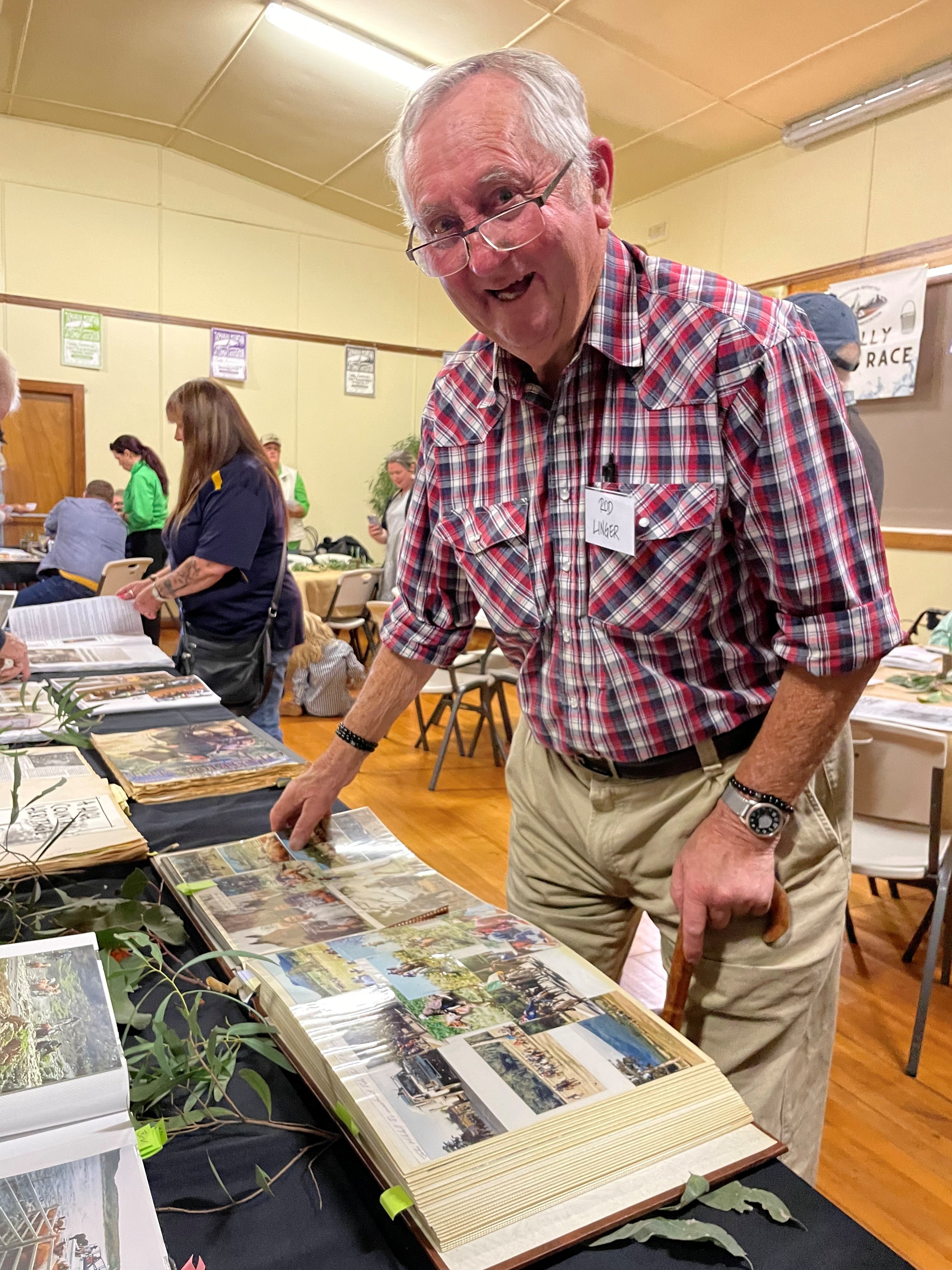
Newspaper clippings and memorabilia were spread around two rooms for all to pore over and a historic film, auction and storytelling were all highlights, with any money raised going toward the production of a commemorative TMCA anniversary history book.
The evening was emceed by long-time committee member, competitor and winner of the prestigious 1992 Belvoir Cup, Tracey Boon.
Having recently held its annual Get Together on Cressy property Billopp, it was obvious from the turnout that the TMCA is as popular as ever as it continues to embrace and retain the traditions linked to a life on the land, working with horses and livestock and enjoying and protecting environment.
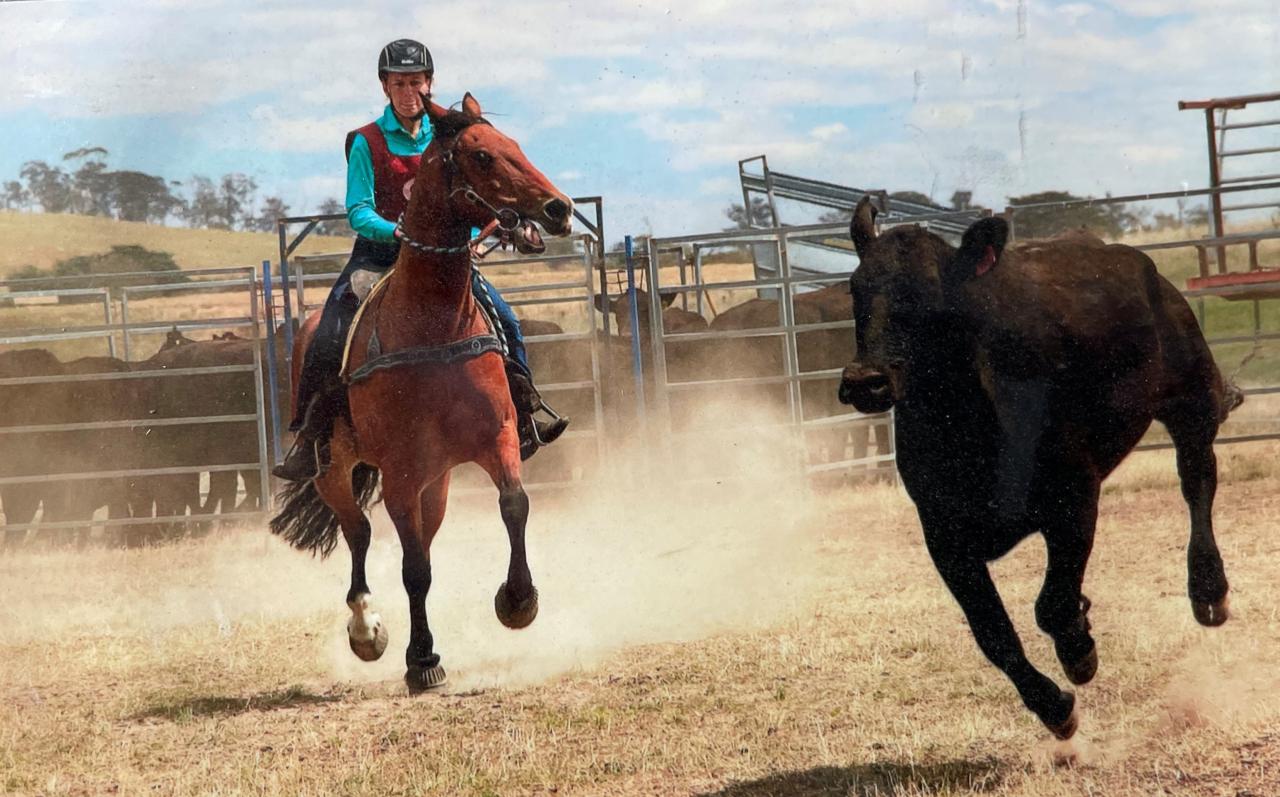
From campdrafting and cracking whips to boiling a billy and stockhorse races, the essentials of old have become fun and exciting contests every year.
The Tasmanian Mountain Cattlemen’s Association was formed in 1986 by representatives of the families who have links with the Mersey high country along the mid-north boundary of the Cradle Mountain-Lake St Clair National Park.
Since 1888, the area has traditionally been used as summer grazing runs by families who would drive their cattle and sheep to the mountain pastures at the beginning of summer and drive them back to their lowland farms in autumn.
At the time of the formation of the TMCA, there was increasing political pressure to acquire this land for World Heritage listing and to drive the families out of the high country, so the TMCA became the voice for the high country cattlemen and a means of protecting their high country heritage and traditions.
Today the TMCA is still active in the high country, being the caretaker of Allison’s Hut, which was used by snarers and trappers and is one of several historic huts scattered across the Central Plateau.
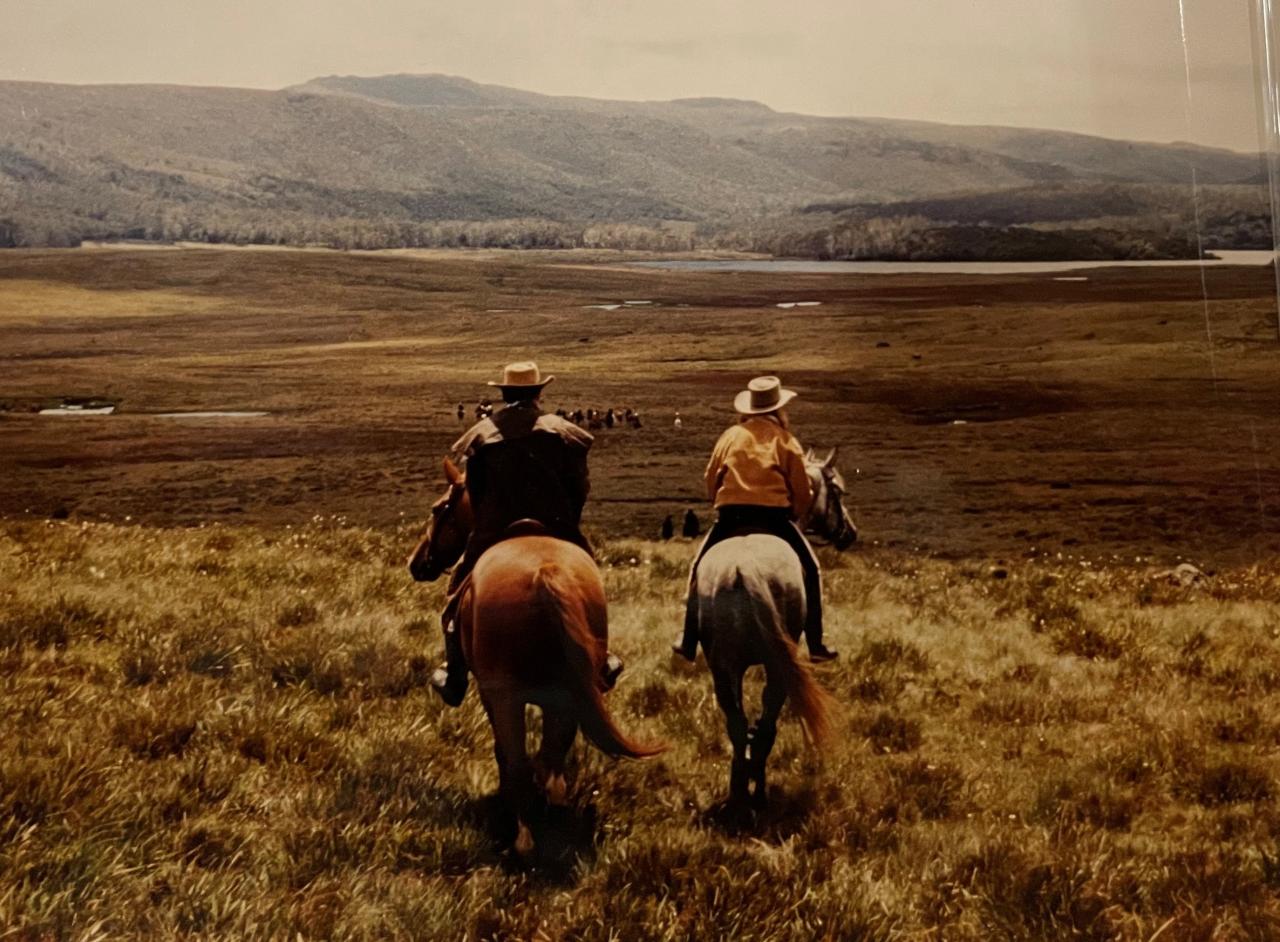
Members of the TMCA guide bushwalks and lead trail rides in the high country and help maintain a part of the Tasmanian Trail.
Two women, whose parents owned land at The Paddocks, best known as Lees Paddocks, were the catalyst for the formation of the TMCA.
Dympna Evans’s father Lewis Lee and Judy Kilby’s father Reg Wadley drove cattle to the Paddocks from the mid-1950s.
Mrs Kilby still recalls her first trip driving 98 head of cattle from Mole Creek to higher ground in 1964 when she was a young teenager.
When Lewis’s nephew Simon Cubit, fresh out of university, got wind of the battle going on in the Victorian high country to retain grazing rights, he pushed to have Tasmanian cattlemen form an association, and he famously led a parade on horseback through the streets of Launceston to launch his book ‘Snarers & Cattlemen of the Mersey High Country – Lees of Lees Paddocks’ and raise awareness of what there was to lose.
“The alarm bells rang when we found out that Lees Paddocks and the February Plains were included with the Lemonthyne and Southern Forests for World Heritage listing,” Mrs Kilby said.
“A campaign committee was formed, a nationwide campaign was launched and close to 300 people attended our first meeting.”
Mrs Kilby became the official spokesperson for the TMCA and travelled to Hobart to speak at the Helsham Inquiry and to 400 people in the Hobart Town Hall.
As national media weighed in she organised and led horseback tours for VIPs, media and politicians into the high country.
“The findings of the Helsham Inquiry were released in our favour, but with conservationists questioning the findings we made one last ultimate statement, with 140 members on horseback riding from the Domain to Wrest Point in Hobart where the National Labor Conference was sitting, to present a petition.”
During this time the TMCA also staged a Bicentennial Cattle Drive on February 5, 6 and 7, 1988, at The Den – the biggest and most memorable gathering of cattlemen, their families and supporters the state had ever seen.
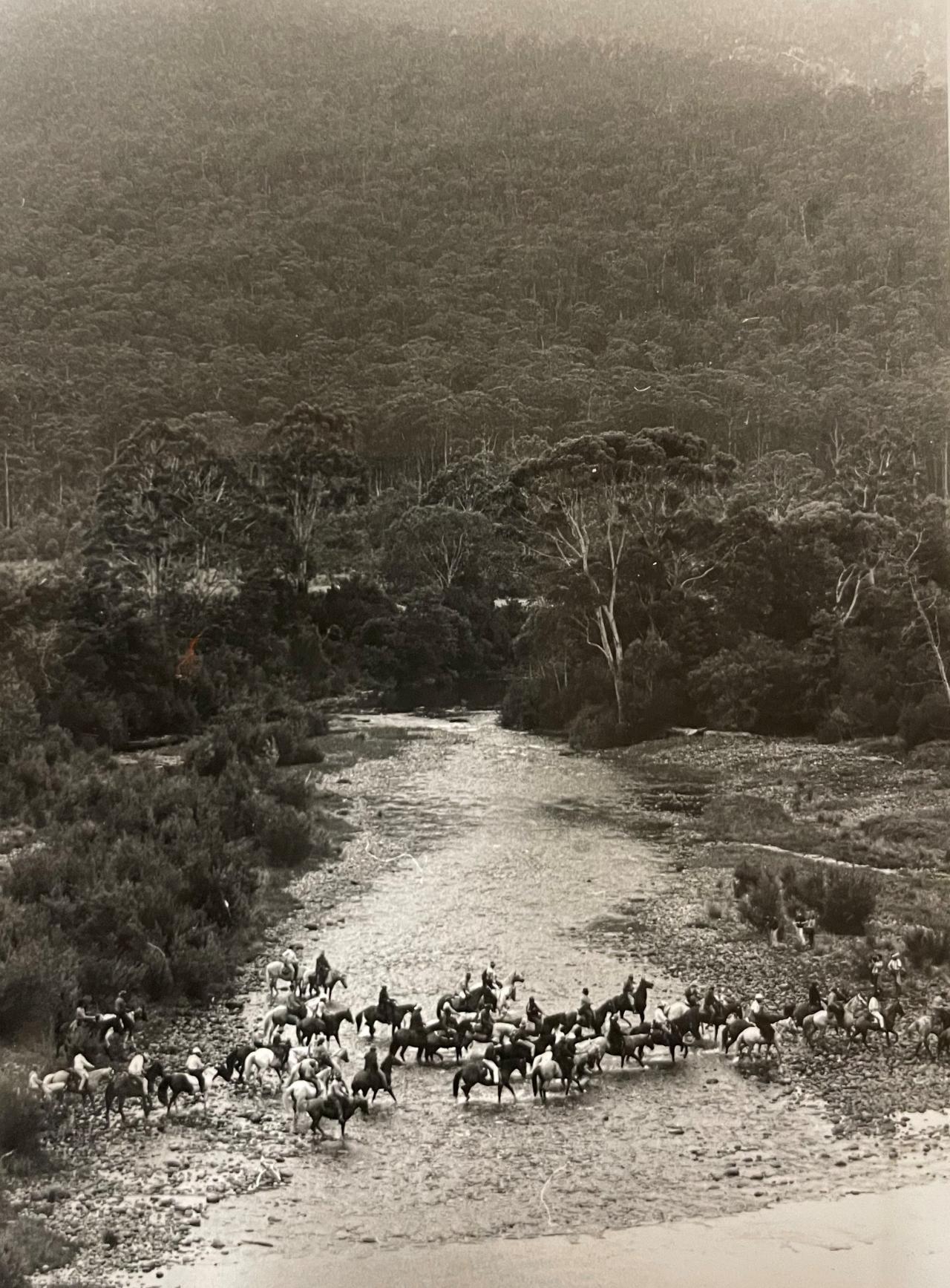
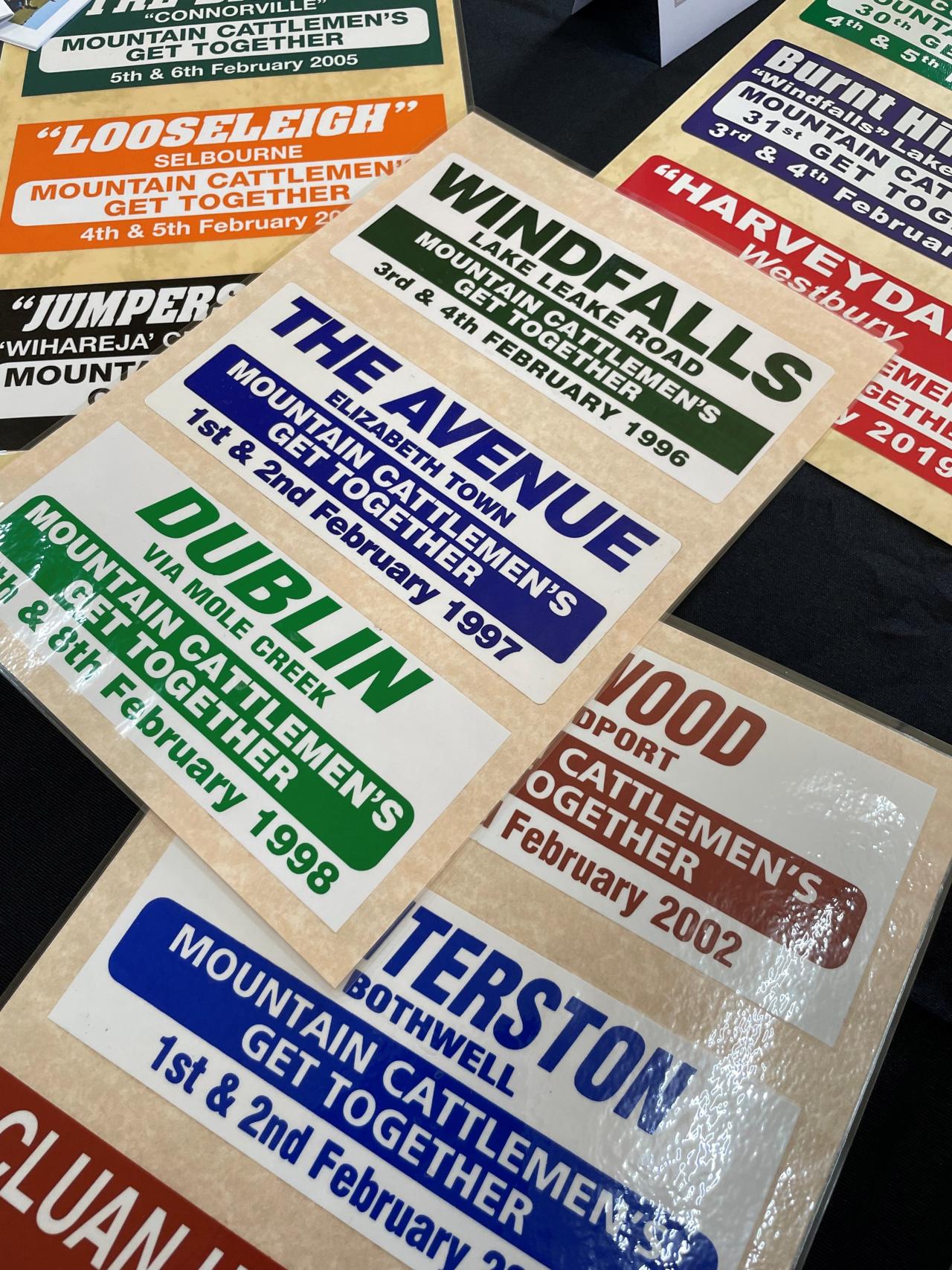
Retracing the original stock route from Mole Creek to the Borradaille Plain, the campfire concert, bush dance and display of bushcraft was the start of an annual Get Together, with the Championship event won by Dick Miles and his daughter Julie Lee in second place.
Current TMCA president Jess Whatley said that she couldn’t be prouder of the 40th anniversary event and its success in honouring the traditions, stories and spirit of the TMCA.
“The memorabilia that emerged was remarkable,” she said.
“They way people have held on to and preserved these pieces shows us what the association means to them.
“I feel like we’re at a turning point, where preserving our past is the foundation to carrying our high country values, traditions and camaraderie forward to the next generation.”




Add new comment