
Cattle Australia members to vote on planned levy increase
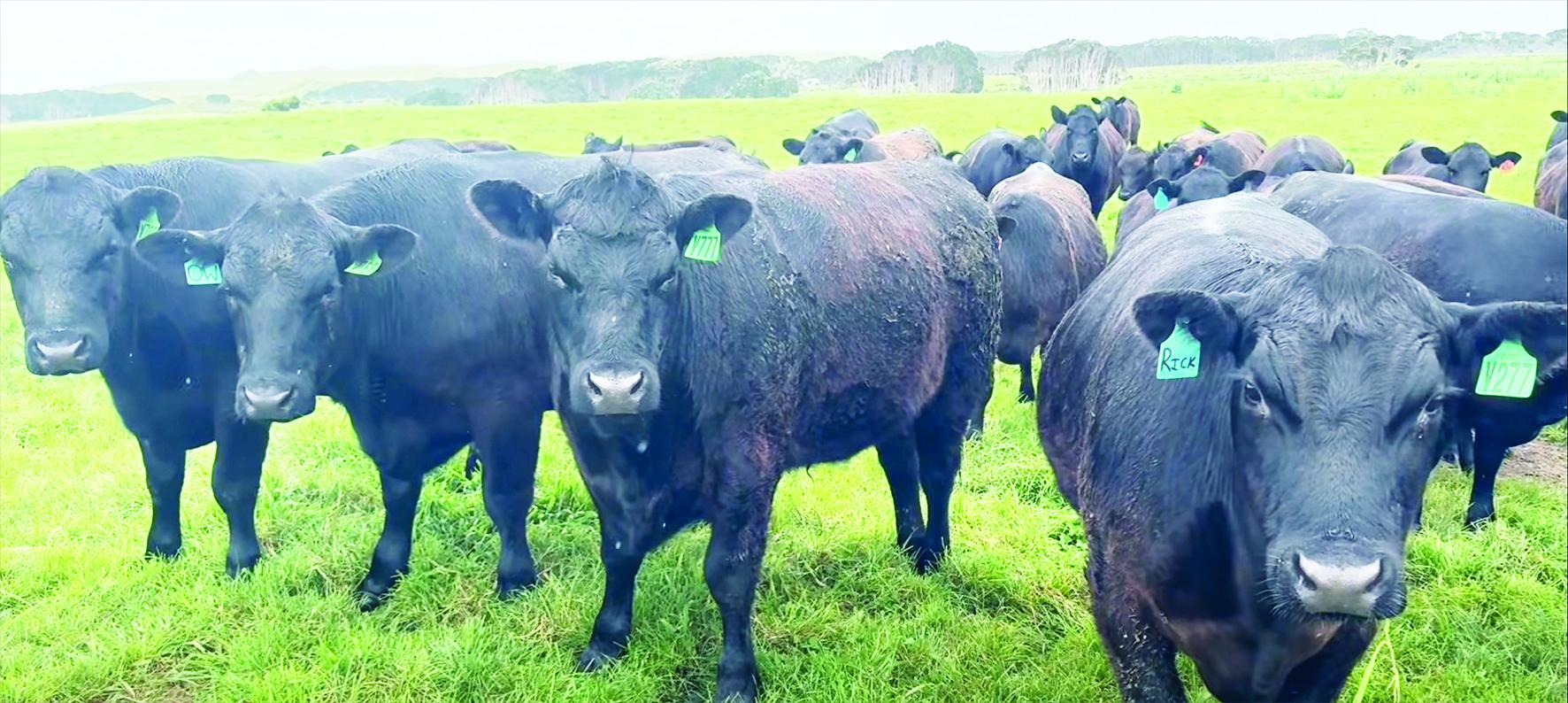
Concerns over accountability, industry spending and returns to farmers have been raised ahead of a national vote on increasing the grassfed cattle levy.
Cattle producers will have the opportunity to vote on a proposed 20 per cent increase in the national grassfed cattle transaction levy, with local concerns focusing on whether producers are receiving sufficient value from their existing contributions.
The proposal would increase the levy from $5 to $6 per head by July 2028, subject to reforms being implemented first.
The levy, which has remained at $5 since 2006, helps fund research, development, marketing, biosecurity, residue monitoring and industry programs.
Cattle Australia has recommended the increase following a national review involving more than 1000 producer responses and attendances at consultation sessions.
The review found that although the levy had delivered benefits over the past two decades, producers wanted greater transparency, stronger accountability and more influence over how their contributions were invested.
However, King Island Beef Producers Group president Nick Lyttle said many producers believed levy funds were not being distributed effectively, particularly investments made by Meat & Livestock Australia.
He questioned whether sufficient funding was directed towards the drivers of profitability in grassfed red meat production, identifying value-based marketing as one example.
Mr Lyttle said too much funding benefited meat processors and helped them market their products, rather than directly improving returns to cattle producers.
“Accountability for all levy spending” was needed, he said.
For King Island producers, the question of value is compounded by geographic isolation, freight costs and dependence on mainland markets.
Mr Lyttle said the current levy system did not adequately recognise these circumstances.
A King Island producer pays the same levy as a producer in the New England region of New South Wales, despite the considerable difference in proximity to markets.
While the additional $1 per transaction would not have a substantial direct financial impact, Mr Lyttle said return on investment and cost of production remained central to every agricultural business.
A producer undertaking 500 levyable cattle transactions annually, for example, would pay an additional $500 under the proposal.
Mr Lyttle said producers would be more willing to support an increase if they could see improved returns, but many were not yet convinced the proposal would deliver them.
The review proposes directing additional resources towards strategic biosecurity programs, the National Residue Survey, industry integrity systems and producer representation.
However, Mr Lyttle questioned whether an increase was necessary, suggesting the existing levy could be distributed more evenly across funding categories.
He also argued that state and federal governments, which receive substantial economic benefits from the red meat industry, should continue investing in biosecurity rather than placing additional costs on producers.
TasFarmers chief executive Nathan Calman said his organisation supported greater flexibility in allocating levy funds, provided changes were backed by strong governance and clear benefits for producers.
NSW Farmers maintained its position against increasing the existing $5 levy without a detailed business case, while other state farming organisations, including the Victorian Farmers Federation, called for evidence of improved producer returns.
Cattle Australia said economic analysis suggested restoring its 2009 purchasing power would require an increase to $8.68 per head.
The review committee rejected an increase of that magnitude, instead recommending a $1 rise accompanied by changes to how levy funds are managed.
The proposed increase would not take effect immediately. Accountability and investment reforms must be implemented in full by July 1, 2027 before the levy could increase to $6 by July 1, 2028.
Eligible grassfed cattle levy payers will vote on the proposed reforms ahead of MLA’s annual general meeting in Townsville on November 24.
Mr Lyttle said producers had been given an opportunity to contribute to the review, although participation required them to follow the emailed consultation link and complete the questionnaire.
Producers do not have to be MLA members to participate in the ballot.
Ballot papers have been distributed by email or post, with voting closing at 4.30pm Tasmanian time on Sunday 22 November. Eligible MLA members can also vote at the AGM.
Producers who believe they are eligible but have not received a ballot should contact MLA on 1800 023 100 or membership@mla.com.au.
Further information, including the review’s findings and voting arrangements, is available through Cattle Australia.




Add new comment