
Growing concerns around AI data centres and its impact on agriculture
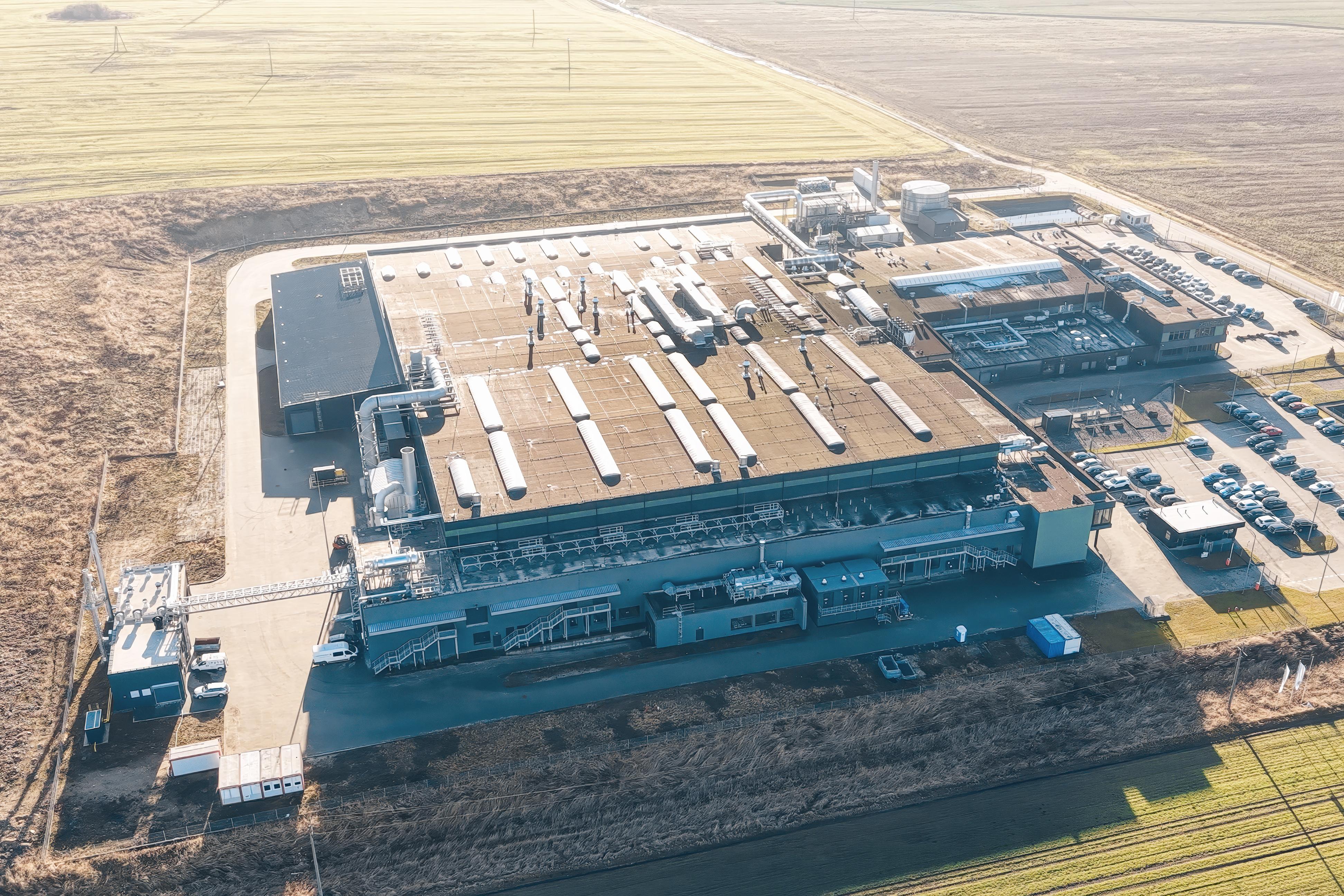
Tasmanian farmers say the state should learn from overseas communities now scrambling to control the rapid growth of artificial-intelligence data centres before productive land, irrigation water and electricity are committed.
Three AI data centres have been proposed in Northern Tasmania, including a Firmus Technologies development at Wesley Vale that wants access to water carried by the Tasmanian Irrigation network.
TasFarmers chief executive Nathan Calman said planning and resource rules needed to be settled before developments became established and difficult to unwind.
“Before that starts to happen, there needs to be a broader conversation across the different tiers of government and with primary producers about whether that is something we want and what would need to change within our planning systems to support it,” Mr Calman said.
“We also need to think about whether it would be to the detriment of regional food security and farmgate value growth because we are definitely not making more agricultural land available.”
TasFarmers said the issue was not whether Tasmania should reject digital investment, but whether centres were placed on appropriate land and required to meet their own infrastructure costs without displacing food production.
National Cabinet this week agreed that large data centres have significant energy, water and land-use impacts that must be managed, with the Commonwealth and states to develop nationally consistent mandatory standards covering all three areas. The standards will form part of the Federal Government’s proposed new national artificial intelligence laws, expected to be legislated in early 2027.
Prime Minister Anthony Albanese said after the meeting the new laws would seek to protect power prices and ensure data centres were built in appropriate locations, while the official National Cabinet statement said the framework would also address water use and land-use impacts.
The National Farmers’ Federation has welcomed federal government plans for mandatory national rules requiring AI data centres to minimise water use and contribute to their own electricity supply.
However, National Cabinet did not announce detailed standards or confirm the previously proposed requirement that new data centres bring additional renewable generation to meet their electricity demand.
The warnings about data centres comes as overseas governments move to tighten controls after development outpaced planning for electricity, water and land use.
In the US, Texas Governor Greg Abbott recently halted approvals for new data centres seeking connections to the state electricity grid while authorities audit their likely demands.
About 90 per cent of the 474 gigawatts of proposed new electricity demand being assessed in Texas is attributed to data-centre projects – more than five times the state’s existing peak load.
Developers will be required to disclose expected electricity and water use, water sources, public incentives, ownership arrangements and how they intend to limit effects on surrounding communities.
In Ireland, data centres consumed 23 per cent of all metered electricity during 2025, up from 5 per cent a decade earlier. Their consumption was greater than that of all urban households combined.
US Department of Energy research found data centres accounted for about 4.4 per cent of American electricity use in 2023. That share could rise to between 6.7 and 12 per cent by 2028 as artificial intelligence drives demand for larger and more powerful facilities.
Mr Calman said Tasmania also needed to consider the less visible infrastructure required to support the centres, including new generation, transmission, substations and water supplies.
“The other inputs that a data centre might need, such as water, need to be carefully balanced to make sure that land zoned for agriculture isn’t negatively impacted,” he said.
The Firmus proposal has prompted particular concern because Tasmanian Irrigation infrastructure and water entitlements were developed primarily to increase agricultural production.
Mr Calman said many farmers had told TasFarmers they did not support irrigation water being diverted to an AI facility.
A current dispute in California illustrates the risk of allowing industrial developments to acquire agricultural land and its water.
A proposed 330-megawatt data centre in Imperial County sought to buy an irrigated farm, cease farming it and use part of the saved irrigation allocation for cooling. The local irrigation authority rejected the request, and the developer began legal action.
Imperial County has since imposed a temporary halt on new data-centre permits while it reviews zoning, water and environmental issues.
Virginia, with one of the world’s largest concentrations of centres, has also introduced stronger provisions.
“It’s encouraging to see the federal government take data centres’ impact on resources seriously,,” NFF chief executive Mike Guerin said.
“But there are still many questions that need to be answered, especially in regard to energy use and food and fibre production.”




Add new comment