
"Hairy" lambs confirm new disease in Tasmanian flock
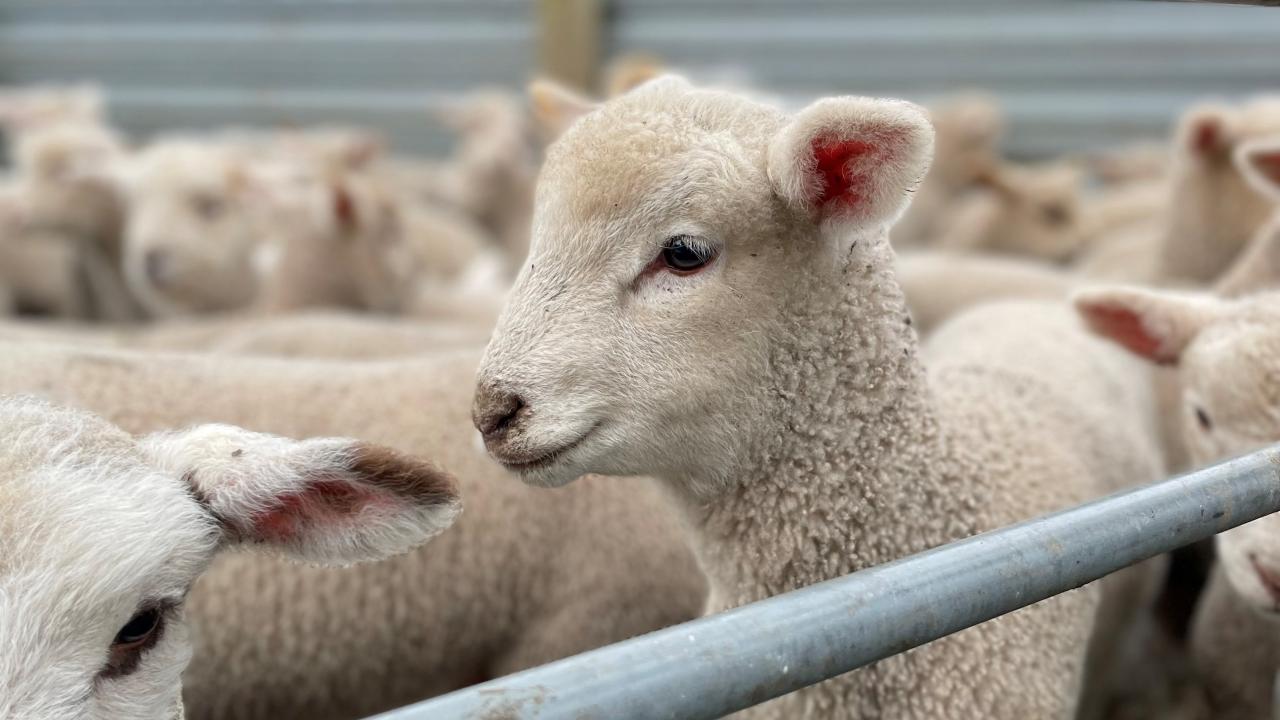
Border Disease, also known as “hairy shaker disease” has been detected for the first time in Tasmanian lambs.
The disease, caused by a Pestivirus (similar to the Pestivirus of cattle), has been present in Australia for many years but was largely uncommon until recent years when large-scale outbreaks were documented in southern New South Wales.
Stock losses can be significant, with lambs often aborted, born two or three days prematurely or they die at birth.
Flocks with Border Disease can lose 10 percent of lambs in single pregnancies and 25 cent of twins – with buoyant lamb prices meaning a significant loss of income for growers.
Lambs born with Border Disease often have an abnormal, excessively hairy coat, leading to the term "hairy shaker" lambs.
They can show involuntary muscular tremors, particularly in the trunk and hind limbs and may have skeletal defects rarely surviving the first year of life.
There is no treatment for Pestivirus in sheep, and no vaccine.
Veterinarian and Animal Health Australia consultant Dr Bruce Jackson said that a Tasmanian composite ewe flock that had recently bought in ewes from Southern NSW scanned well but experienced abortions in both ewe lambs and older ewes with many more lamb deaths than usual over lambing.
“At marking, a lower-than-expected percentage of lambs was marked and about 25 hairy lambs were seen in each mob,” he said.
“Some of these hairy lambs showed nervous signs such as a head tremor or splayed hind legs.
“Some of the hairy lambs started to die, and one lamb was post mortemed, and ulceration of the lining of the oesophagus (food pipe) was observed.”
A laboratory test confirmed the diagnosis of Border Disease causing ‘hairy shaker’ lambs.
Dr Jackson said that hairy lambs should be kept in contact with ewe lambs and older ewes that will be mated in the future so that they can be exposed to the virus and become immune before they get pregnant, protecting the foetus from infection at critical stages of development.
“Lambs born with the disease should not be culled - but kept alive to mix in with non-pregnant breeding sheep so they can be exposed to the virus and obtain natural lifetime immunity,” Dr Jackson said.
“If you buy sheep from Southern NSW it may be worth asking the vendor to make a statement about the Pestivirus status of the flock of origin on the Sheep Health Declaration.
“After that quarantine on entry for at least two weeks and observe for abortions and any signs of abnormalities.”
Farmers should call their vet or the EAD Hotline on 1800 675 888 if they see signs of a disease that is not recognised in any livestock or wildlife.




Add new comment