
Salmon industry not prepared for fish deaths, documents reveal
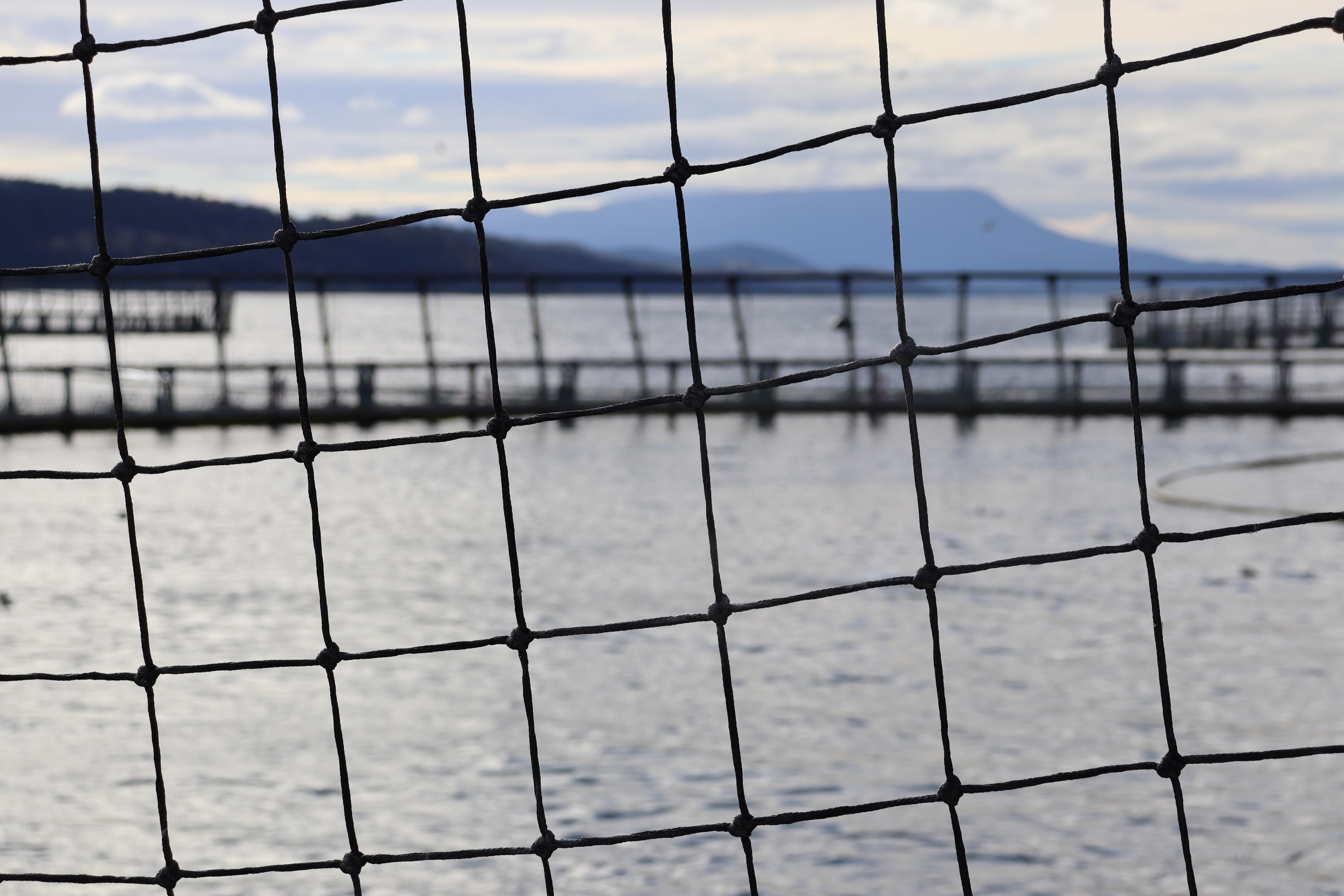
Documents have shown that the fish farm industry and the EPA were unprepared to deal with a mass salmon mortality event last year.
The lack of planning resulted in emergency approvals for shallow burials of fish and salmon being dumped at farming properties in the Southern Midlands municipality.
RTI documents show that, in one instance, a neighbouring farm owner complained of a smell so bad it made their home unliveable for weeks.
Greens Leader Rosalie Woodruff asked Premier Jeremy Rockliff in state parliament on Tuesday whether he would bring in the tough regulations around salmon waste disposal.
In response, Mr Rockliff said his government had strengthened the Environmental Protection Authority's (EPA) role as an independent regulator to ensure salmon mortalities are managed lawfully, transparently, and without environmental harm.
“Fish that die in the course of finfish farming are classified as controlled waste under Tasmania's waste regulations,” he said.
“Controlled waste must be properly contained, transported by authorised operators, and disposed of at approved facilities.
“Approved pathways include rendering, composting, licensed landfill where permitted in silage and beneficial land application under approval, and other authorised disposal methods.”
Mr Rockliff said the 2025 salmon mortality event highlighted the need for improved, robust waste infrastructure.
“The EPA is currently assessing proposals for continued or increased silage and composting capacity to maintain resilience during higher mortality periods.
“Waste management plans are now mandatory and require operators to demonstrate logistics, infrastructure, and contingency planning.
“Since the 2024 25 mortality event, the EPA has continued assessing proposals for additional or expanded silage and composting infrastructure to improve long-term system resilience during higher mortality periods.”
Dr Woodruff said the way dead salmon was disposed of during the mortality event was unacceptable.
“Those events paint a shocking picture of an industry completely unprepared and unable to safely deal with the scale of salmon mortalities they had created, and an environmental regulator incapable of controlling or tracking the waste.
“Once again, Tasmanian communities and our environment have been the ones to suffer from the salmon industry’s operational failures.
“We are still hearing stories from landowners and neighbours about mass spreading of salmon waste on properties across the state, including near waterways, after the thousands of tonnes of mortalities this year.”
Following the Premier’s comments in parliament, Dr Woodruff said his response showed that he would not commit to cleaning up ongoing failures in salmon waste disposal.
“Clearly, whatever the Premier says has been done to improve waste disposal is ineffective.
“The Premier needs to make good on his promise to Tasmanian communities and start acting in their interests, instead of big salmon corporations.”




Add new comment