
Organisations unite against florfenicol use in Tasmanian salmon farms
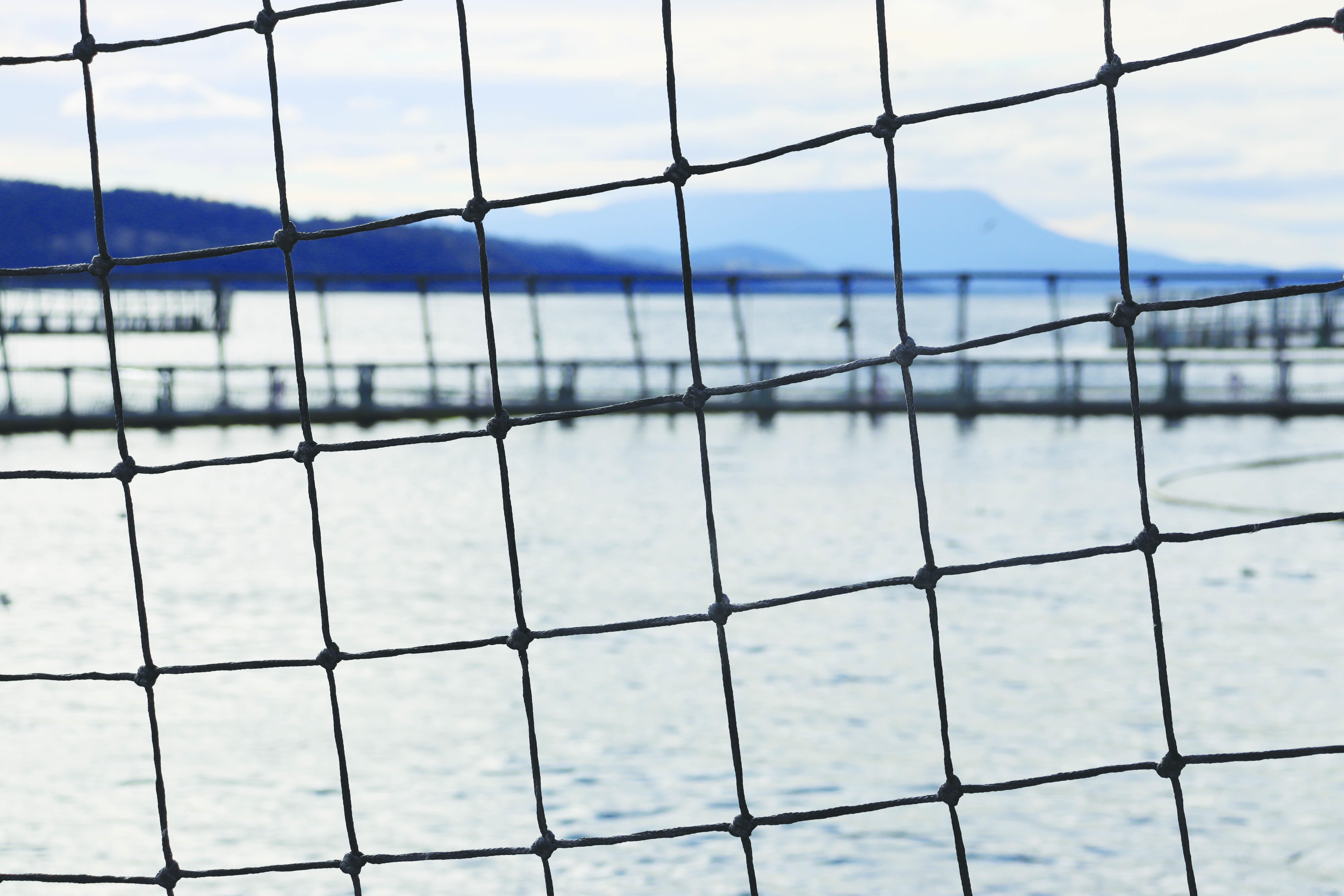
A trio of organisations has joined forces to oppose the use of florfenicol in Tasmanian waters.
The Tasmanian Rock Lobster Council, Tasmanian Abalone Council and Tasmanian Commercial Divers Association have voiced their concern about the antibiotic.
Tasmanian aquaculture companies used florfenicol over the summer to prevent mass salmon die-offs caused by the disease P. salmonis.
But in March the Australian Pesticides and Veterinary Medicines Authority revoked the Tasmanian salmon industry’s permit to use florfenicol.
Now the industry is applying to to use the antibiotic again.
In a joint statement, the rock lobster, abalone and divers associations said: “The use of florfenicol in Tasmania’s marine environment creates a material trade risk to wild-caught seafood products in both domestic and international markets.
“This is driven by the absence of an approved maximum residue limit for wild-catch species in most markets, and in turn the application of a zero-tolerance approach to residue detections.
“As a result, even low-level detections of florfenicol in wild-caught seafood have the potential to disrupt market access, damage customer confidence, create regulatory uncertainty, and negatively impact the reputation of Tasmania’s premium wild seafood products.”
Salmon Tasmania CEO John Whittington said the use of florfenicol was about animal welfare.
“The use of medication is an important part of that responsibility and treatments are only administered under strict veterinary supervision,” he said.
“Its use is supported by a substantial body of scientific evidence and environmental monitoring.”
Dr Whittington said florfenicol was an effective treatment for P. Salmonis and does not impact the environmental health of our waterways or the safety of fish caught from them.




Add new comment
Comments
Support of the Trio
I wholeheartedly support the united stance taken by the Tasmanian Rock Lobster Council, the Tasmanian Abalone Council and the Tasmanian Commercial Divers Association in opposing any application to reintroduce florfenicol into Tasmania’s marine waters.
For too long, Tasmania’s wild fisheries have been expected to shoulder the consequences of an industrial salmon farming sector that continues to place commercial convenience ahead of the protection of our marine environment. The burden of managing disease within salmon pens should never be transferred to those who rely upon healthy, uncontaminated public waters for their livelihoods.
Tasmania has earned an international reputation for producing some of the world’s finest wild-caught seafood. That reputation has been built over generations through responsible stewardship of our marine environment and the hard work of commercial fishers and divers. It must not be compromised by the use of antibiotics in open marine waters.
Irrespective of differing opinions regarding the environmental effects of florfenicol, the commercial reality cannot be ignored. Many export markets operate without approved maximum residue limits for florfenicol in wild-caught seafood, meaning that even trace detections may result in rejected consignments, the loss of valuable export markets and irreparable damage to consumer confidence. Such risks are entirely unacceptable for industries that have done nothing to create the problem.
The Tasmanian salmon industry argues that florfenicol is necessary for animal welfare. Whilst the welfare of farmed fish is important, it does not justify exposing Tasmania’s wild fisheries, marine ecosystems and seafood reputation to unnecessary risk. Disease outbreaks within intensive aquaculture are an inherent consequence of that production system and should not be used as justification for introducing antibiotics into public waterways.
I remain fundamentally opposed to the continued expansion of industrial salmon farming in Tasmania. Our sheltered coastal waters are a shared public resource, not a waste-disposal system for an industry that repeatedly seeks exemptions and special treatment to overcome problems arising from intensive production methods. The long-term health of our marine environment, together with the interests of Tasmania’s wild fisheries, tourism industry and coastal communities, must take precedence.
The precautionary principle should prevail. Unless it can be demonstrated beyond doubt that the use of florfenicol presents no environmental, commercial or reputational risk whatsoever to Tasmania’s wild fisheries, no permit should be granted.
I commend the Tasmanian Rock Lobster Council, the Tasmanian Abalone Council and the Tasmanian Commercial Divers Association for standing together in defence of Tasmania’s wild fisheries. Their position is not merely about one antibiotic; it is about safeguarding the integrity of our marine environment, protecting internationally respected industries and ensuring that one sector is not permitted to endanger the livelihoods of another.
Florfenicol use
The salmon industries cavalier approach to Tasmania’s environment has impacted our water supplies our inshore bays and our recreational fishing. Florfenicol breeds antibiotic resistance and basically spawns stronger bacteria that’s all. The idea that its use is for fish welfare is a furphy . It’s about getting these poor sick fish to market whilst they are still kicking.
13000tonnes of fish still died this year . This is a disgusting animal health issue.
OUR WATERS ARE UNFIT FOR ATLANTIC SALMON
Tasmania wild seafood
Hopefully the Chinese importers of wild seafood from Tasmania test for antibiotics residues & act accordingly.
Florfenicol
At the end of the day this antibiotic was used for pigs and only after jostling the EPA did the the chief veterinary officer approve it for salmon , no testing for harmful responses at all in other marine species .