
The Derwent Catchment Project launches Nature Repair pilot program
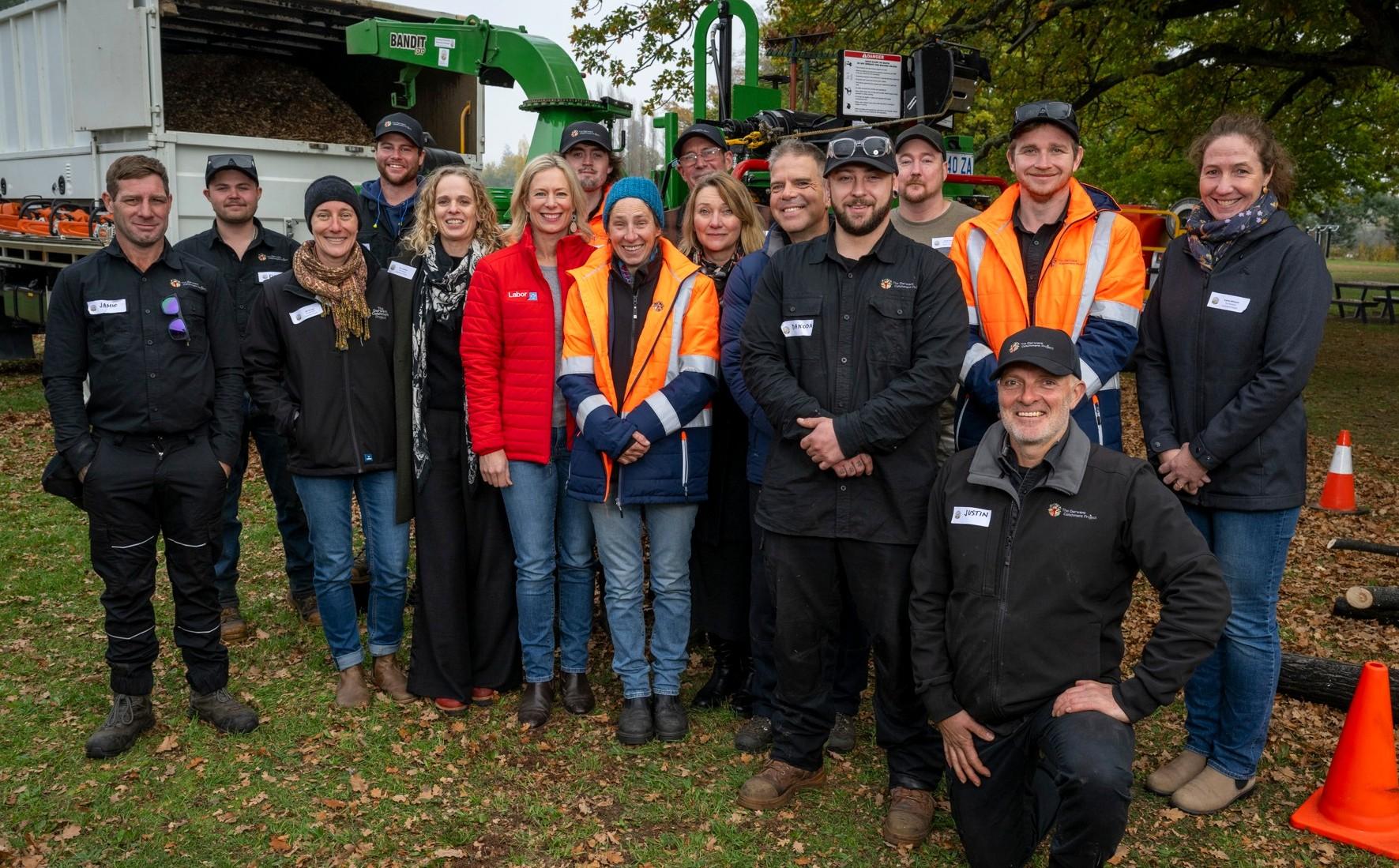
The Derwent Catchment Project has launched its new Nature Repair Pilot program, which has $10 million of federal government funding.
The Derwent Catchment Project organisation works to improve the health, resilience, and productivity of the Derwent Catchment through strategic planning, best-practice agriculture, river restoration, revegetation, biosecurity, and conservation action.
The Nature Repair Pilot is a targeted plan focused on nature repair across the Derwent Catchment, particularly its rivers.
The pilot will seek to identify and prioritise river restoration projects, including continued efforts to remove invasive species, such as willow trees, and replace them with native vegetation.
It aims to build on established partnerships to create a coordinated, investment-ready approach to long-term landscape restoration and catchment resilience.
The goal is to attract $200 million in coordinated investment over the next decade, and as a national pilot, it will provide a blueprint for catchment-scale nature repair across Australia.
The Derwent Catchment Project team have just completed work removing willow trees from Croakers Alley on the Clyde River at Bothwell, with 60 truck loads of wood-chipped willow taken from just a 1km area.
"Removing invasive willows is an important step in improving river health, restoring flow, and making space for native vegetation to return", a catchment representative said.
The Derwent Catchment Project also operates a native plant nursery that helps support restoration work across the region.
Derwent Valley Mayor Michelle Dracoulis said the pilot program was a positive step forward.
"There’s a strong focus on practical, long-term outcomes and partnership between landholders, community, councils, industry and government,” Cr Dracoulis said.
"Healthy rivers and landscapes are important environmentally, economically and socially.
“They help reduce erosion and flood impacts, improve biodiversity and strengthen agricultural resilience.
“That’s why projects like this are essential for the long-term future of catchment management".
For more than 11 years, the Derwent Catchment Project has worked across the region delivering catchment management. This pilot builds on those strong regional partnerships and local knowledge to deliver long-term environmental, social, and economic benefits.
Dr Josie Kelman, CEO from The Derwent Catchment Project, said “This election commitment allows us to bring to fruition our plans and vision for the catchment which we have been building on for the past decade. It’s exciting to have the opportunity to bring this vision to a national arena and share our learnings and model for nature repair more broadly.
A coordinated Ranger Program will also be established to support restoration works while creating local jobs, training opportunities, and long-term skills development across the region.
Dr Eve Lazarus, Deputy CEO from the Derwent Catchment project, says that "this funding provides a unique opportunity to bring together collaborative investment from business and industry, land managers and the emerging nature markets to create a powerful catchment brand for sustainability".



Add new comment