
Early start to the bushfire season predicted for the Derwent Valley
The Derwent Valley is facing an early start to the bushfire season, with strong winds, warm temperatures, and below-average rainfall set to increase fire risk across the region heading into Summer.
Residents have been urged to prepare their properties and activate their fire risk and emergency plans after last weekend's dangerous weather conditions.
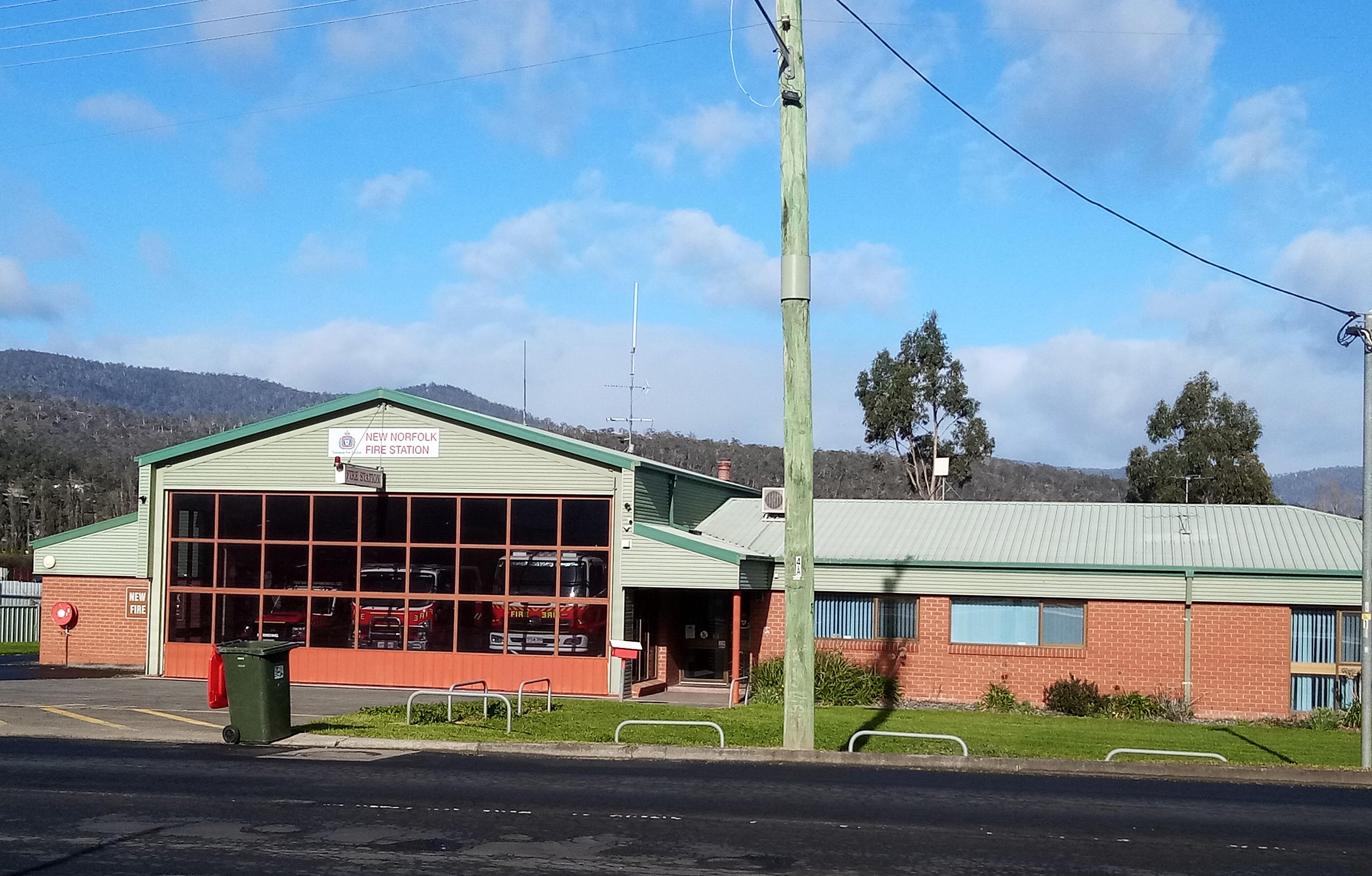
The Tasmanian Fire Service reported that over 60 fires were burning across Tasmania on Sunday, with the worst at Dodges Ferry and Colebrook. The New Norfolk Fire Brigade also reported being called out to attend 9 incidents in 12 hours on Sunday, with fires breaking out at Black Hills and Glen Fern, and fallen powerlines and trees also causing concerns. Derwent Valley Council workers, alongside emergency services, contractors, community groups and residents, have also been busy over the past few days cleaning up after the wild winds, which saw fallen trees, branches and debris causing disruptions and road blockages in several areas around the Derwent Valley.
A lot of the fires at the weekend were said to be the result of burn-offs without preparedness for the approaching weather, with TFS Deputy Regional Chief John Holloway saying, "That's a real concern for us going into the Summer. You really need to be keeping an eye on the weather, keeping an eye on the warnings we're putting out," he said.
Questions have also been raised about why a total fire ban wasn't put in place before the weekend, with predicted warm conditions backed by average wind speeds of 50 km/h-60 km/h and peak wind gusts of up to and over 100 km/h at high elevation positions.
While no formal fire permits are yet required for burn-offs, the TFS is urging people to pay attention to weather conditions and warnings and to prepare.
"The Upper Derwent Valley needs to be especially vigilant going forward during what will be a dangerous period for the remainder of September, Spring and also throughout Summer and early Autumn", it's been stated.
Residents are urged to act on their emergency and fire risk plans because of the combination of high winds and drying vegetation, with the potential for fires to start easily and spread quickly.
This follows advice from the "National Seasonal Bushfire Outlook" for September through to November, which suggests parts of Tasmania are at high risk of bushfires.
The upper Derwent Valley and the East Coast of Tasmania are included as "high priority and high risk regions", combining with another, more severe El Niño weather event.
Advice also directs attention to regular updates on TasALERT and the Tasmanian Fire Service/New Norfolk Fire Brigade social media pages, as well as ABC Radio, particularly if internet capabilities are down.




Add new comment