
Greater South East Irrigation Scheme raising concerns
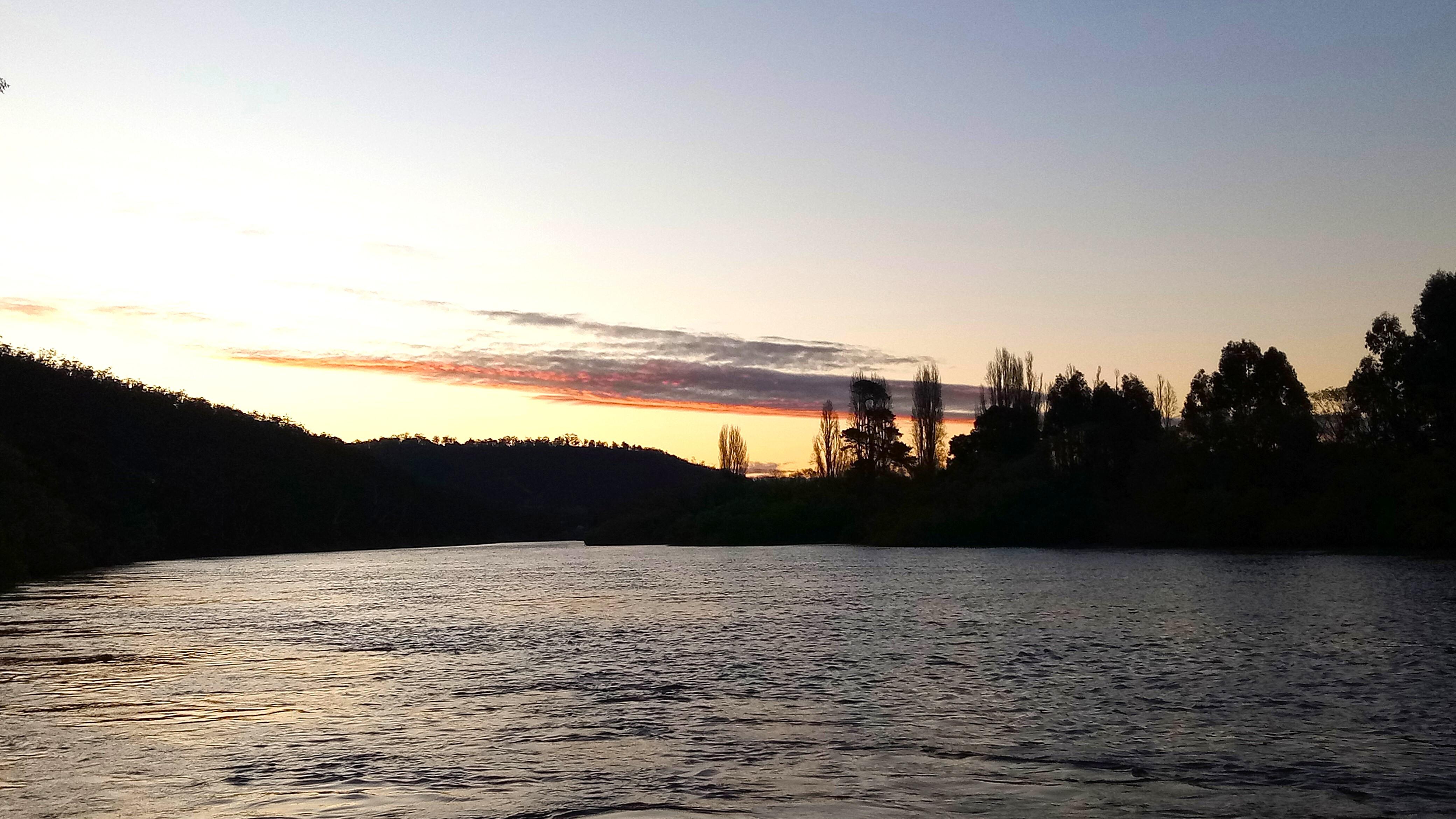
A leading Tasmanian water scientist has voiced her concerns about the Greater South East Irrigation Scheme's plan to supply more than 14,000 Olympic-sized swimming pools' worth of water per year from Lake Meadowbank to farming areas starting in 2030.
Christine Coughanowr, chair of the Tasmanian Independent Science Council, founder of the Derwent Estuary Program, and author of Tasmania's State of the Environment Report, Rivers and Wetlands section, has raised concerns about the potential impact of diverting such a large amount of water on the Derwent River.
The approved scheme has secured $150 million in federal funding, $75 million from the State government and $75 million from irrigators and is said to be a key part of the State government's plan to increase the annual value of Tasmanian agriculture to $10 billion by 2050.
"We need the checks and balances, and we need a very precautionary approach to a river that's already under stress," Coughanowr said.
Coughanowr questioned the lack of research before the project's approval, saying she was "shocked" to learn that the State government had not commissioned an independent study into the impacts of additional Summer water extraction from the lower Derwent since the last study in 2002, which also advised against doing it.
The 2002 study, commissioned by the State's environment department, recommended that "no further abstraction take place in January-April to avoid risks of further decline in riverine and estuarine environmental values".
Ms Coughanowr said the study was taken seriously at the time, and in the years since, additional Summer water allocations for irrigators in the area were only approved in 2004 and 2013.
Tasmania's Natural Resources and Environment Department said that using data more than two decades old, from 2002, would be "unreliable" when asked about the concerns.
"So you start with what you've got, which was very high quality at the time, and if you're not happy with that, redo that research and come up with a better plan," the NRE said.
Stakeholders, including NRE, Hydro Tasmania and Tasmanian Irrigation, have said the scheme will source water upstream of the Lake Meadowbank dam wall, while maintaining flow to the Derwent below.
"For example, poor river and water quality results in toxic algal blooms that could prevent swimming, impact fishing, water skiing and all kinds of activities that people really enjoy," Coughanowr said.
"Taxpayers needed more assurances, given the river was already under stress, especially during summer, and it's quite disappointing that the scheme has progressed as far as it has without doing the due diligence to look into those issues."
Environment Tasmania's Lucy Tremain warned that many of the State's rivers were already at risk due to climate change, increasing water demand, and mismanagement, and urged the state government to improve its approach.
"This is another clear example of the government's failure to support evidence-based management of water," she said.
Tasmanian Irrigation's general manager of major projects, Jacob Gerke, said all environmental data would be assessed as the project moved forward, and that monitoring water quality would be among them. Mr Gerke also said a range of studies will be done for the project in consultation with State and Federal regulators to determine any impact moving forward ".




Add new comment