
Take a mate and stay alive
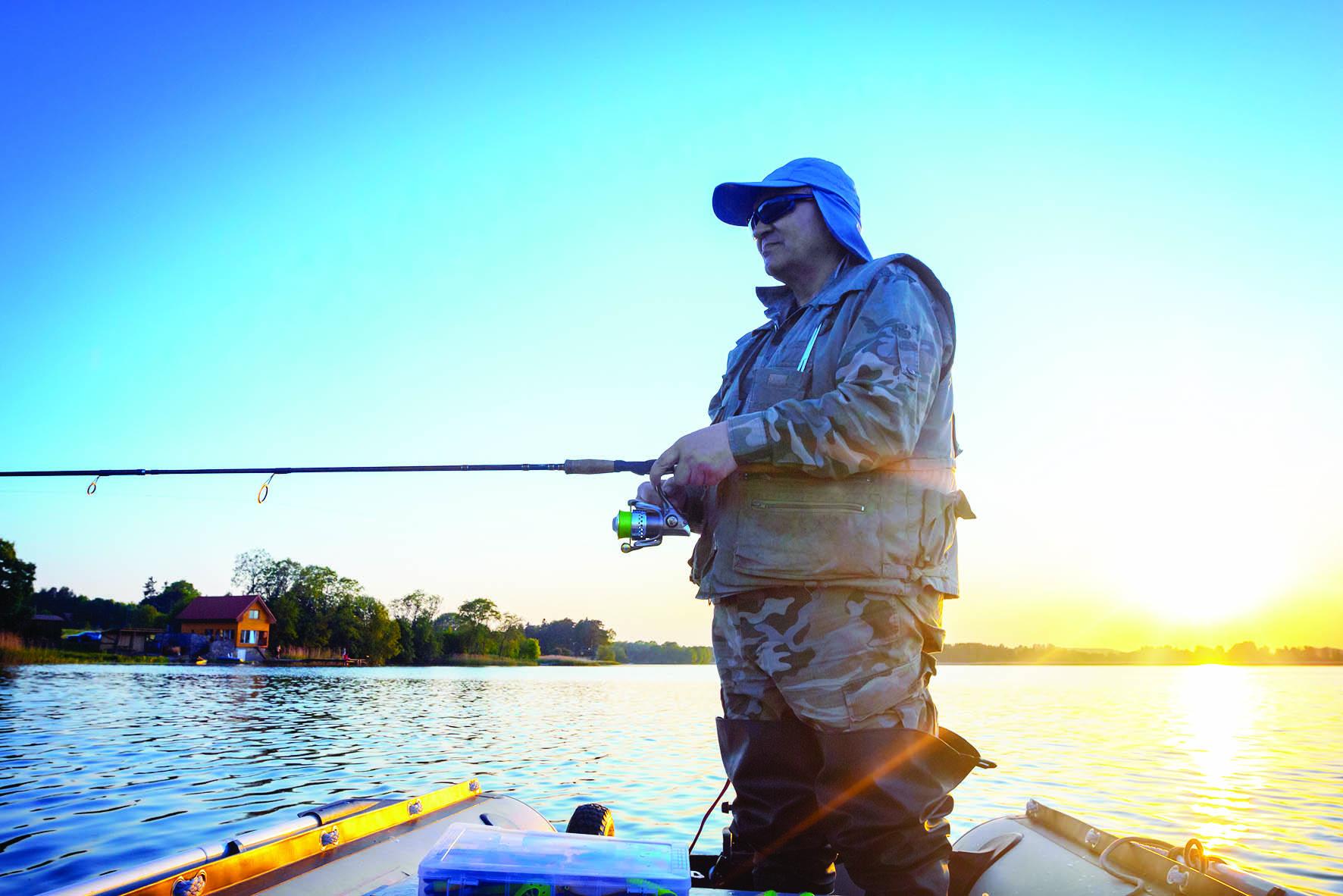
FOR generations of Tasmanians, the opening of the brown trout season has been, and is, a much-anticipated tradition.
When the season began on August 1, anglers once again took to the state’s lakes and waterways in pursuit of that first trout of the year.
For many, trout fishing is a solitary pursuit. The peace, quiet and independence of heading out alone is part of the appeal. But while fishing alone may be a long-standing tradition, the statistics tell a very concerning story.
Between 2001 and 2025, Tasmania recorded 64 recreational boating fatalities. Of those, 18 involved people who were boating alone. More concerning is that all those solo boating fatalities have occurred since 2010.
The trend becomes even more alarming when we look at recent years. Since 2020, 15 lives have been lost in recreational boating incidents across Tasmania. Eight of those fatalities involved people who were boating alone.
That means more than half of all boating deaths in the last five years involved someone who had no one with them when things went wrong.
While the numbers are concerning, they are not surprising.
When another person is onboard, there is often someone to help when things do not go to plan.
They can spot hazards, help a person who has fallen overboard, seek assistance if an emergency develops, or simply be there to make critical decisions under pressure.
Boating incidents rarely result from a single catastrophic event. More often than not, they begin with a minor problem that escalates when no one is available to help.
The presence of another person can be the difference between an incident that becomes a good story at the boat ramp and one that ends in tragedy.
The reality is that some accidents on the water are survivable when another person is present.
A passenger can help someone back aboard, throw a lifebuoy, perform first aid, operate the vessel, or raise the alarm. When boating alone, some of these options may not exist.
A simple slip while moving around the boat, a medical episode, an unexpected wave, or a mechanical issue can quickly become life-threatening.
What might be a manageable situation with another person onboard may become a fatal one when you’re alone.
These risks are amplified on Tasmania’s inland waters during winter. Water temperatures remain extremely cold.
If someone takes a tumble and falls into the water, cold-water immersion can rapidly impair breathing, strength, and the ability to make sound decisions. Even strong swimmers can find themselves in serious trouble within minutes.
Boating alone tips
MAST understands that there will always be people who choose to boat alone, particularly during trout season. If that’s your decision, make sure you take extra precautions.
• Tell someone exactly where you are going and when you expect to return.
• Wear a life jacket at all times, not stowed away where it can’t help you.
• Wear your kill switch whenever the vessel is underway.
• Check weather conditions before you leave.
• Carry a reliable means of communication.
• Keep a Personal Locator Beacon (PLB) on your person at all times.
• Most importantly, consider taking a mate with you.
As the new trout season begins, MAST wants everyone to enjoy Tasmania’s outstanding inland waterways and return home safely.
But no fish is worth risking your life for.
This season, wear your life jacket, make a plan, and whenever possible, take a mate with you.
Storm Eastley is Marine and Safety Tasmania senior recreational boating safety officer




Add new comment