
Biosecurity Matters - How to stay safe during spring planting
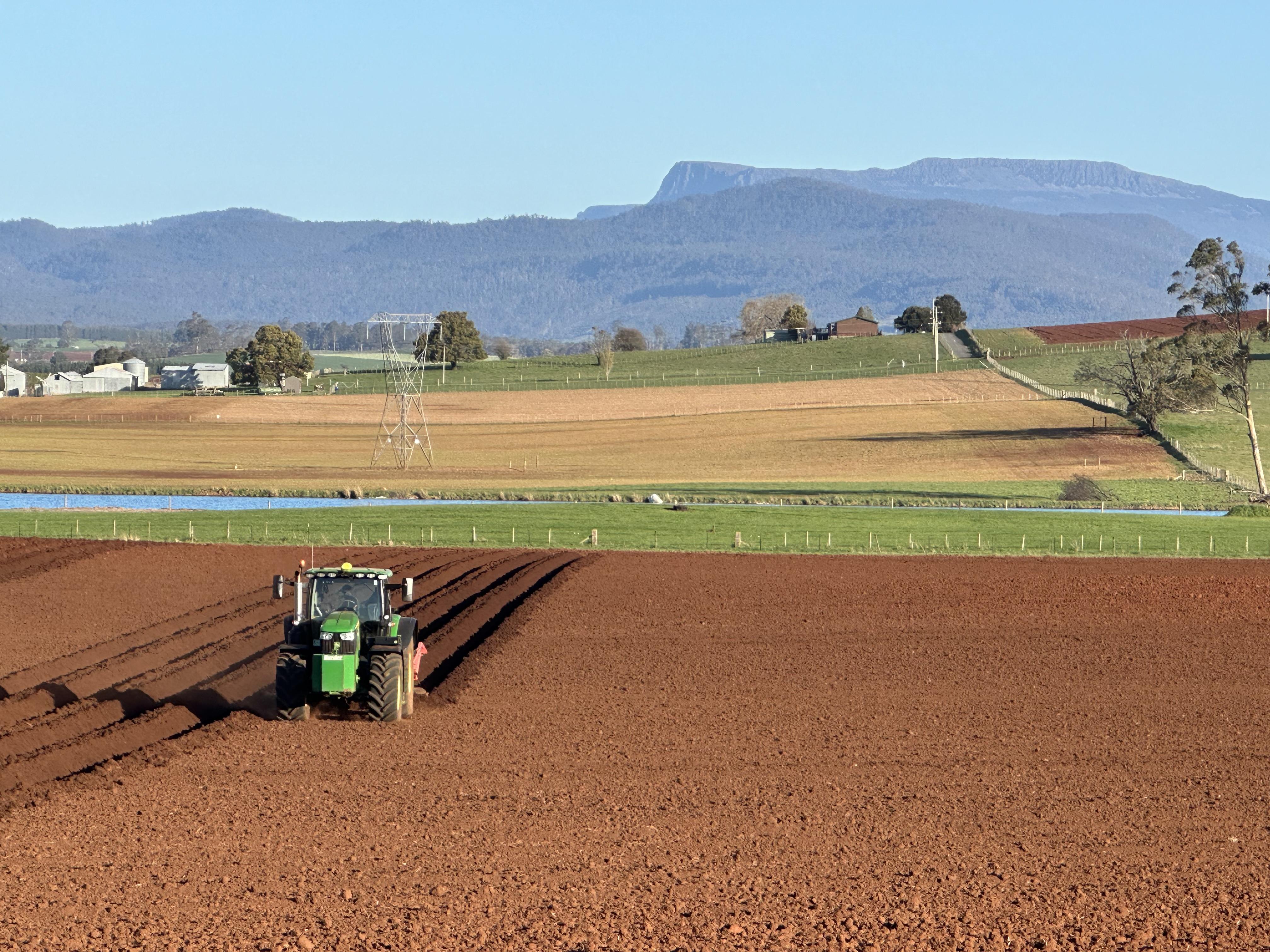
With the spring planting season now in full swing, Tasmanian farmers are being reminded about the importance of good biosecurity practices to prevent the spread of pests, weeds and diseases.
These biosecurity issues can easily spread between properties, crops or livestock on farm equipment, vehicles, footwear and clothing that have not been cleaned properly, potentially costing you time and money to deal with the problem.
Luckily, there are simple things you can do to reduce the risks.
Developing a farm biosecurity plan is one of the best ways to prevent unwanted pests, weeds or diseases from entering your farm.
A key part of a biosecurity plan is keeping a record of who comes on to your property and where they go.
This can include agricultural contractors, workers, livestock agents, service providers and guests.
Having biosecurity signs, with clear instructions and contact details, at all vehicle access points on your farm is important.
Where possible limit the number of entry and exit points to your farm. You should also clearly sign and lock restricted access areas and keep a visitor register.
All visitors should be directed to a designated parking area by using clear signage, and asked to report to management and sign a visitor register
It is best to require anyone visiting your farm to ensure that their vehicles, equipment, boots and clothing are clean and free from soil, pests, weed seeds and plant material.
Set up a boot cleaning station at the visitor carpark, or provide farm boots for visitors to wear while they’re on your property.
When it comes to machinery and vehicles, cleaning down tillage equipment and tractors to remove soil can help reduce the movement of pests, weeds and diseases between farms or paddocks.
Establishing a high pressure wash down spot on your property is a good idea. Set it up at suitable location that is well away from livestock and crops.
If possible, the wash down area should have a sump to collect any wastewater. Otherwise, ensure any runoff is directed away from livestock pens, paddocks, crops and waterways.
Regularly check areas around the wash down location for new pests or weeds.
Keep an up-to-date equipment and vehicle cleaning record, and clean and disinfect all borrowed or secondhand machinery before using it on your property.
To find out more about farm biosecurity, including how to develop a biosecurity plan and tips on cleaning down vehicles, boots and gear, go to www.farmbiosecurity.com.au
More detailed information about plant and animal biosecurity is available at www.nre.tas.gov.au/biosecurity




Add new comment