
Biosecurity Matters - Transport livestock safely
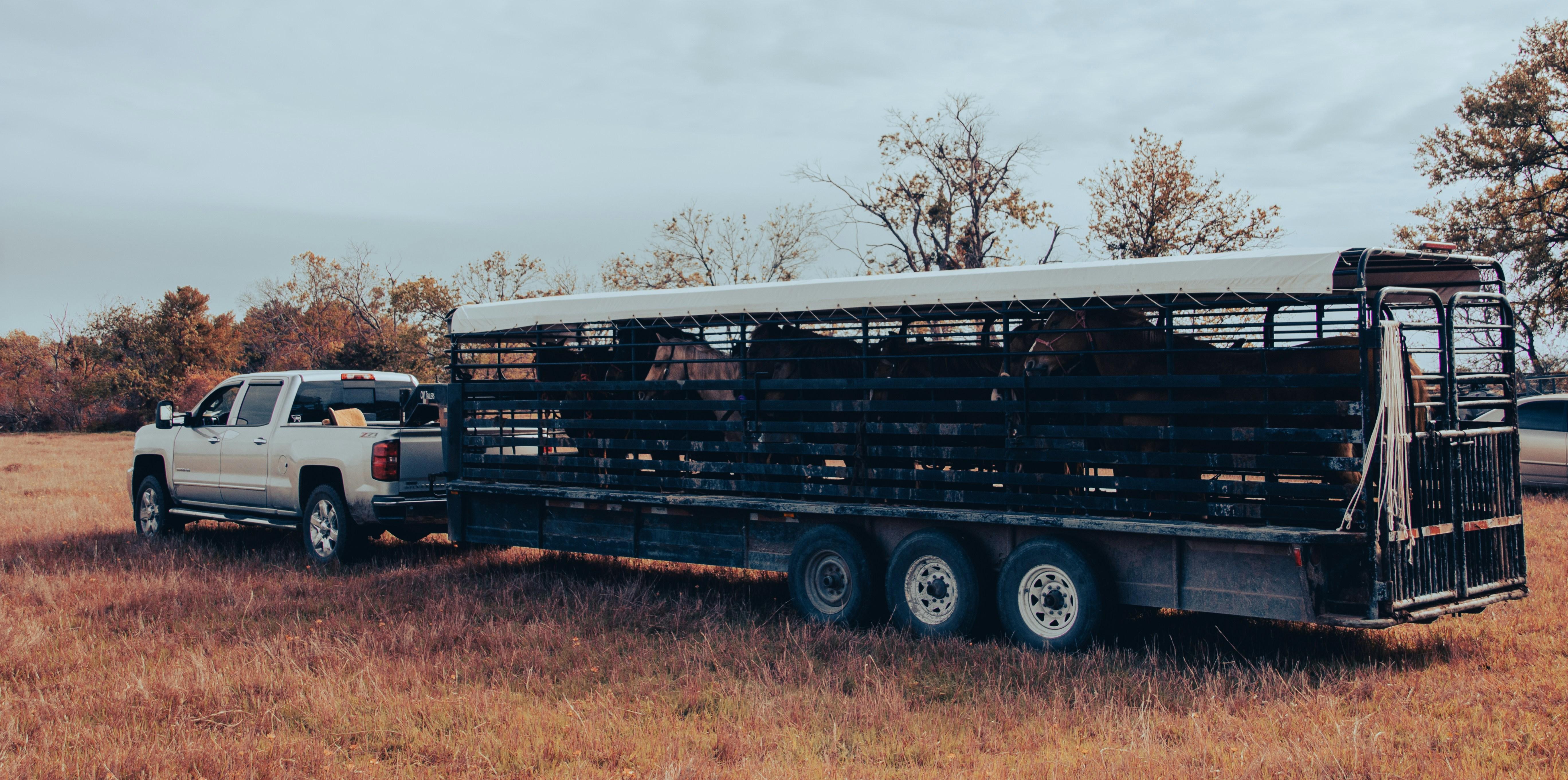
Tasmanian livestock producers and transporters are being reminded to ensure animals are fit to load and curfewed off green feed prior to transport.
The reminder from is in response to an increase in reports of animal welfare issues, relating to livestock that have been transported with existing injuries.
Making sure animals are suitable for transport is crucial to minimise the risk of injury or stress to livestock while they are being transported.
Some common issues which mean livestock may not be fit to load include lameness, poor body condition, eye problems, ingrown horns, late-stage pregnancy or too young, and any animals suffering from severe injuries, stress or dehydration.
Animals that are not fit to load should not be transported, even if they are only travelling a short distance, unless a registered veterinarian has provided documentation allowing the identified animal to be transported from specified origin to destination.
Producers should make sure stock are curfewed off green feed for the recommended 12 hours before being loaded, to prevent possible injuries and effluent spillage from trucks.
Ensuring animals are fit to load is the responsibility of the people right through the transport process. This includes the producer or consignor, livestock transport operators and the person receiving stock after transport.
The Animal Welfare (Transport of Livestock) Regulations 2025 set the standards required for transporting all types of livestock and other animals
Producers are responsible for assembling and preparing the livestock, including inspection and selection as ‘fit for the intended journey’. Producers and consignors must also manage feed and water provisions and holding periods before loading.
The transporter is responsible for final inspection of stock as fit to load, the loading density, inspection and spelling periods during throughout journey and unloading.
All vehicles must be appropriate for the type of animals being transported and have suitable surface flooring to prevent animals from slipping and falling during transport.
A person who has care or charge of livestock being transported must also take appropriate action to manage any welfare risks associated with extremes of weather during all stages of transport.
Ensuring animals are fit to load is essential for maintaining good animal welfare standards.
All reports alleging animals experienced or may have experienced unreasonable or unjustifiable pain or suffering during transport will be investigated by Biosecurity Tasmania. Anyone found to be in breach of the Animal Welfare (Transport of Livestock) Regulations 2025 may be issued with infringement notices and fined.
All Tasmanian abattoirs are equipped with Video Monitoring Systems, which include surveillance of livestock unloading areas.
Biosecurity Tasmania staff regularly inspect livestock at the state’s saleyards and abattoirs.
Producers who are unsure if an animal is fit for transport should seek veterinary advice.
To find out more about fit-to-load requirements go www.nre.tas.gov.au/biosecurity-tasmania/animal-welfare
To report animal cruelty or neglect contact RSPCA Tasmania.
Phone: 1300 139 947
Email: reportit@rspcatas.org.au




Add new comment