
TasFarmers Matters - Supply chain relationships key
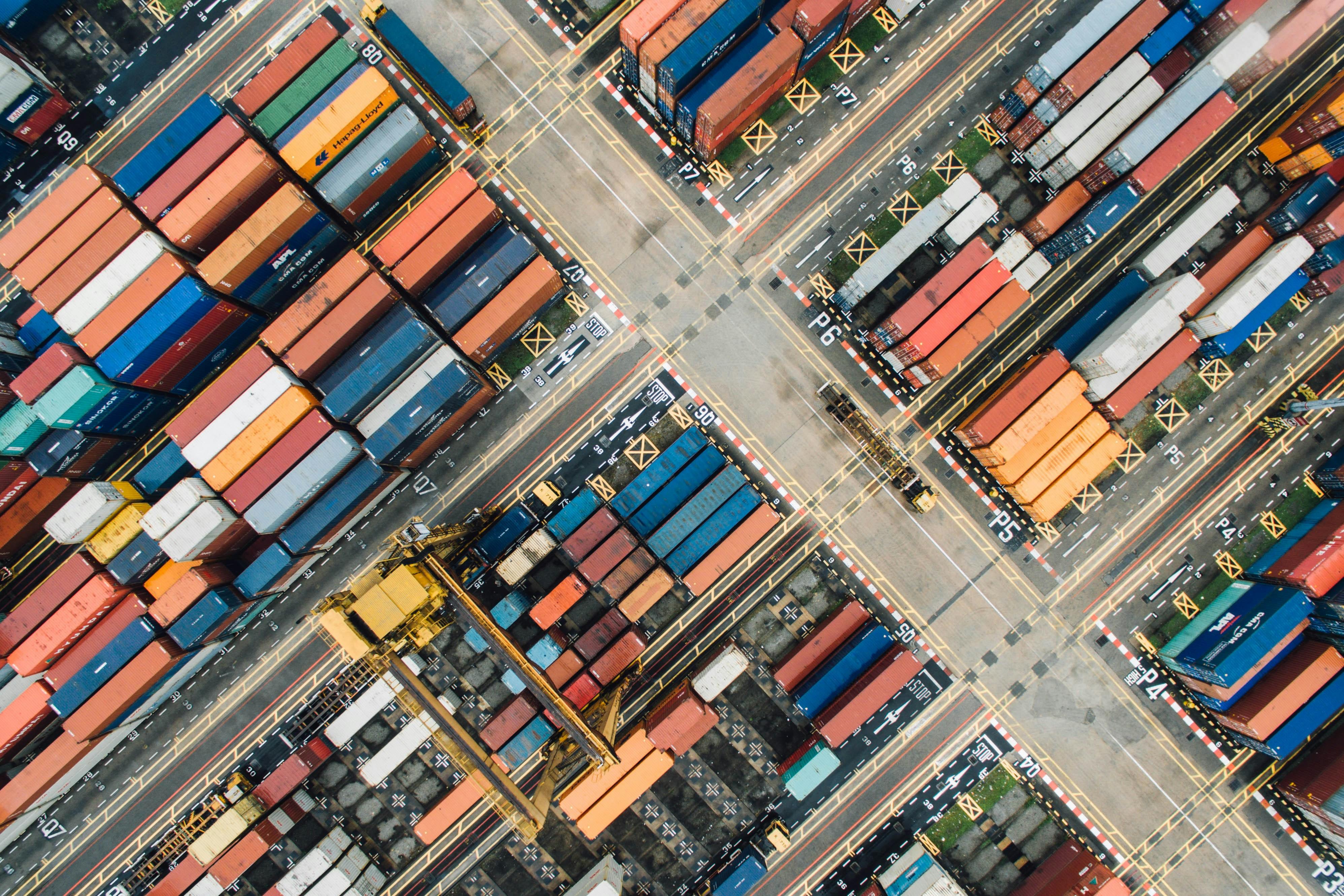
As our leaders keep reminding us, the war in the Middle East is having a massive effect on the global economy, and we’re facing an uncertain and volatile environment.
During such a time, it’s important to remember our food security will not be measured by how cheaply we can purchase our food, but how fairly the risk is shared across the supply chain so that ultimately our supermarket shelves stay full.
Tasmania’s farmers, processors, retailers and consumers are confronting a reality shaped by rising fuel costs, disrupted supply chains and international conflict.
The temptation in such times is to focus solely on price.
Yet the greater challenge is preserving the relationships that keep food moving from pad dock to plate.
Every link in the chain is facing higher costs.
Farmers are paying more for inputs.
Processors are paying more for packaging, labour, transport and energy.
Retailers and food-service businesses are confronting the same pressures.
If any one part of that chain is forced to absorb unsustainable losses, the consequences eventually reach everyone.
That is why collaboration matters.
During periods of stability, tough negotiations and competitive pricing are part of doing business.
During periods of volatility, however, survival depends on recognising that everybody is carrying additional risk and now is not the time for profiteering or exploitation.
Now is the time for cooperation by way of fair compensation, transparent pricing and good communication.
Consumers also have an important role to play at this time.
Choosing local products where we can, even when the cost is slightly more, is an investment in the resilience of our supply chains.
The price difference at the checkout may seem small, but the cumulative impact on regional and rural business can be enormous.
The same principle applies to government when decision-making, we need transparency on any decisions that impact farmers.
When markets are under pressure, the instinct of some policymakers is to reach for new regulations, more oversight, and greater intervention.
Yet history shows that resilient industries are rarely built through red tape.
They are built through trust, transparency, and the ability of businesses to respond to changing conditions.
Our producers deserve clear explanations of how pricing and policy decisions are made.
The lesson from this period of uncertainty is simple. Strong supply chains are built on cooperation, transparency and shared responsibility.
If we emerge from this crisis with those principles intact, we will have achieved far more than by framing our times as uncertain and just weathering another economic storm.



Add new comment