
Brazilian beef threat
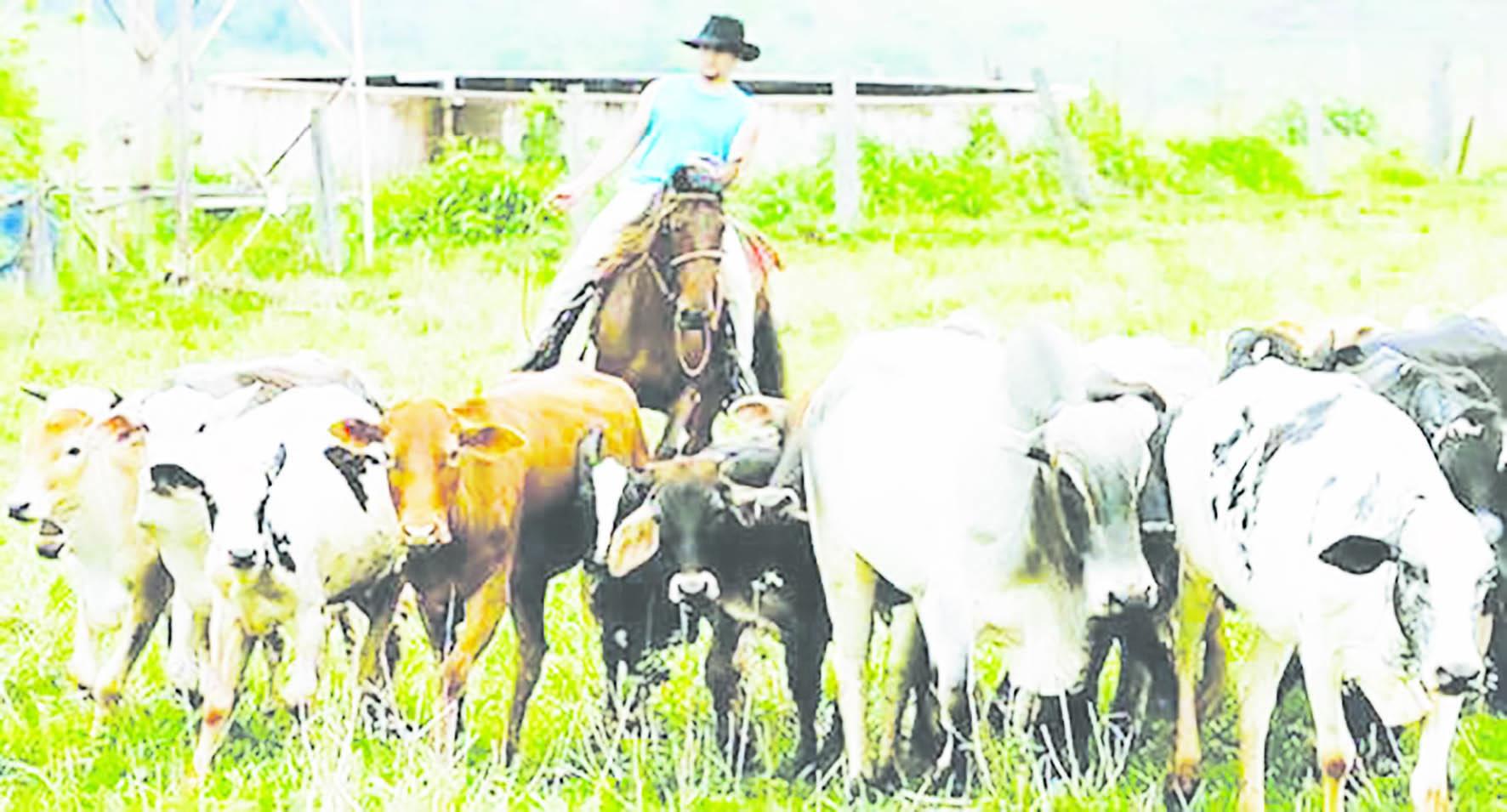
AUSTRALIAN beef producers could face increasing competition in international markets as Brazil expands its beef exports and seeks access to destinations traditionally important to Australia.
Analysis by agricultural banking specialist Rabobank warns that Brazil’s growing influence on global beef trade could intensify price competition, particularly as changes in Chinese import arrangements force Brazilian exporters to seek alternative markets.
Rabobank senior animal proteins analyst Angus Gidley-Baird said Brazil had overtaken the United States as the world’s largest beef producer, producing approximately 11.7 million tonnes annually and exporting about 3.5 million tonnes.
“Over the past few years, we’ve seen Brazil increase its presence in a number of Australia’s export markets,” he said.
“Combined with changing trade dynamics involving China, the United States and Europe, it is becoming increasingly important for Australian producers and exporters to understand what is happening in the Brazilian beef sector.”
Brazil’s cattle herd reached a record 196 million head in 2023 and remains close to that level, supported by improved genetics, heavier carcase weights, greater feedlot use and production efficiencies.
While Australia exports about 65 to 70 per cent of its beef production, Brazil has traditionally consumed most of its beef domestically.
However, Brazil’s domestic share fell to 61 per cent in 2025 as exports increased, and Rabobank expects overseas demand to continue growing faster than domestic consumption.
China remains Brazil’s largest beef export customer, accounting for approximately 46 per cent of shipments.
New Chinese import quotas are expected to reduce Brazilian beef exports to China from about 1.65 million tonnes last year to between 1.2 million and 1.25 million tonnes in 2026.
Rabobank says this could push additional Brazilian beef into markets including the United States, Middle East, Indonesia, Vietnam, Chile and the United Kingdom, increasing competition with Australian exporters.
Of particular concern is Brazil’s potential entry into Japan and South Korea, two important markets for Australian beef.
Rabobank Brazil analyst Wagner Yanaguizawa said inspections of Brazilian processing plants by Japanese and South Korean authorities had been completed, with final reports pending and industry expectations that market access could be granted later this year.
“These two markets are very important for Australia, and soon Australia may have a new competitor,” he said.
For King Island, where cattle production is a major agricultural industry and beef is marketed on its quality and provenance, changing international market conditions are relevant even where livestock and beef are sold through established Australian supply chains.
Greater competition in export markets could influence Australian beef prices and, ultimately, returns to producers.
Despite expectations of a temporary reduction in Brazilian production during the second half of 2026, Rabobank expects the country’s longer-term beef export growth to continue.
The bank says Brazil’s expanding production capacity, improving efficiency and access to new markets will remain important influences on global beef trade in coming years.



Add new comment