
Camping part of farming combination at The Douglas
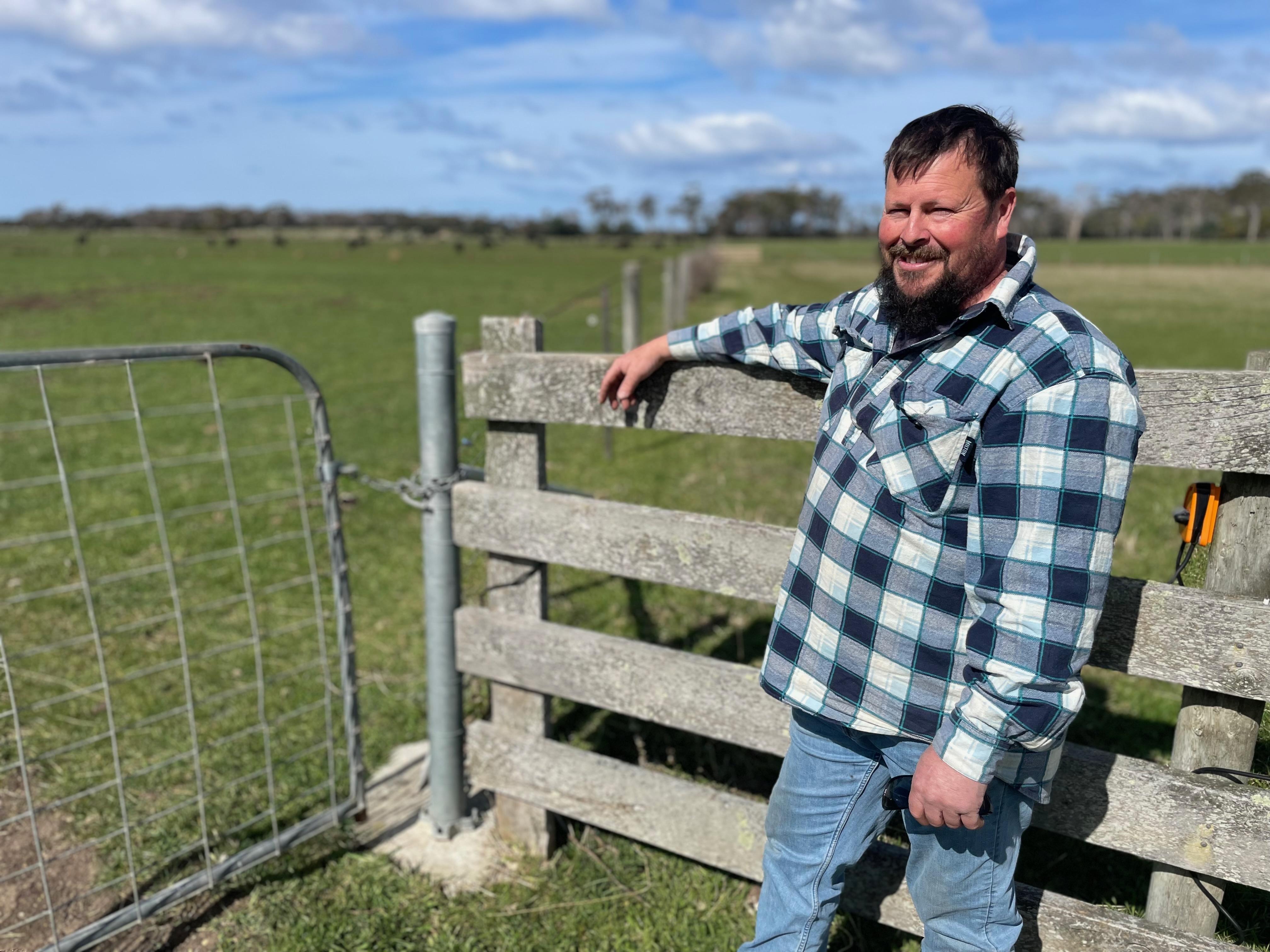
The Douglas is a farm just north of Bicheno on the East Coast that grows beef, wool, crops and summertime memories for hundreds of camping families every year.
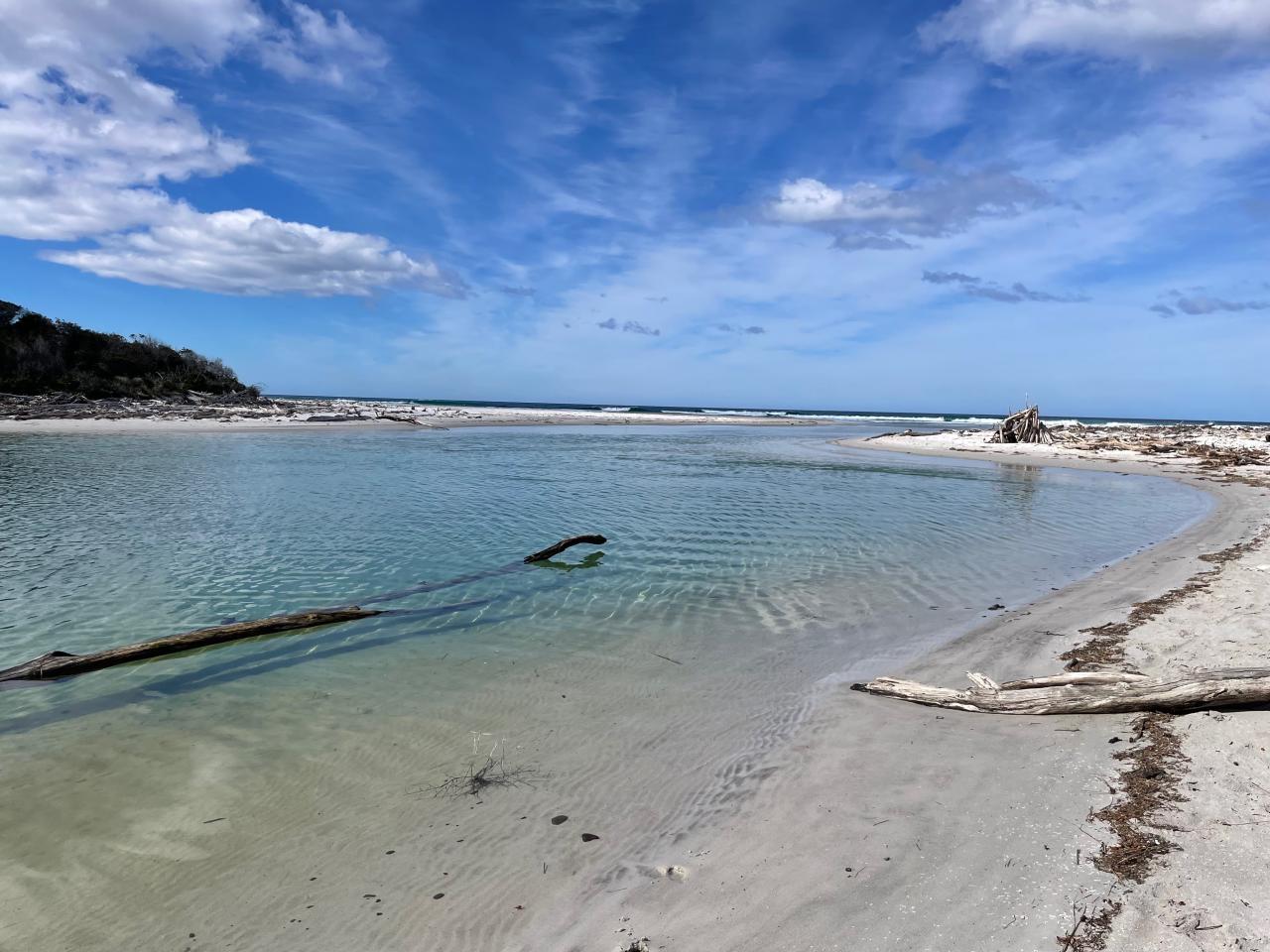
With its 943 hectares rolling from the Douglas-Apsley National Park foothills along the Douglas River to the Tasman Sea, it’s a unique combination of bushland, farmland and caravan park - the only public campground on a working farm in the state.
Tim Madson runs the farm established by his grandparents in 1939, while mum Di and sister Julie take care of the constant bookings by campers who must pick up a key to gain access through the farm to a spectacular site right where the river meets the ocean.
Di and husband Ian are semi-retired and still live on the property and Tim’s partner Rebecca, a nurse, and children, Dan, Jack and Eve complete the family ties.
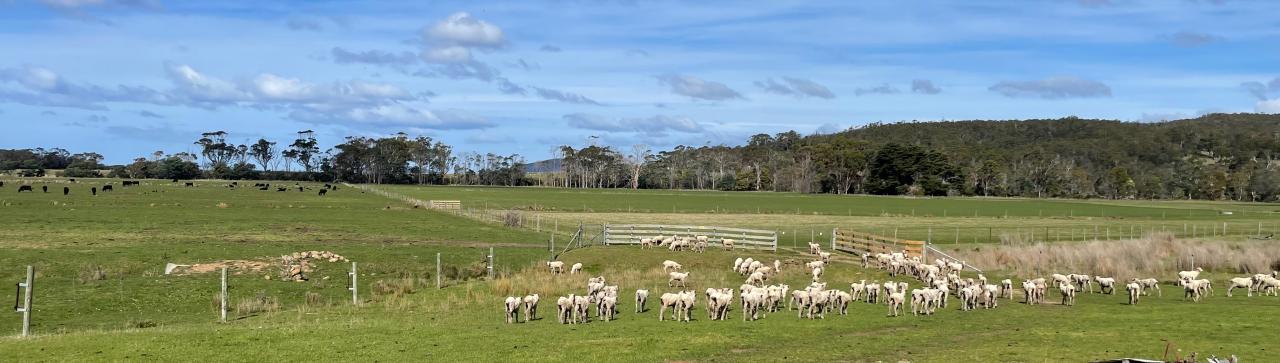
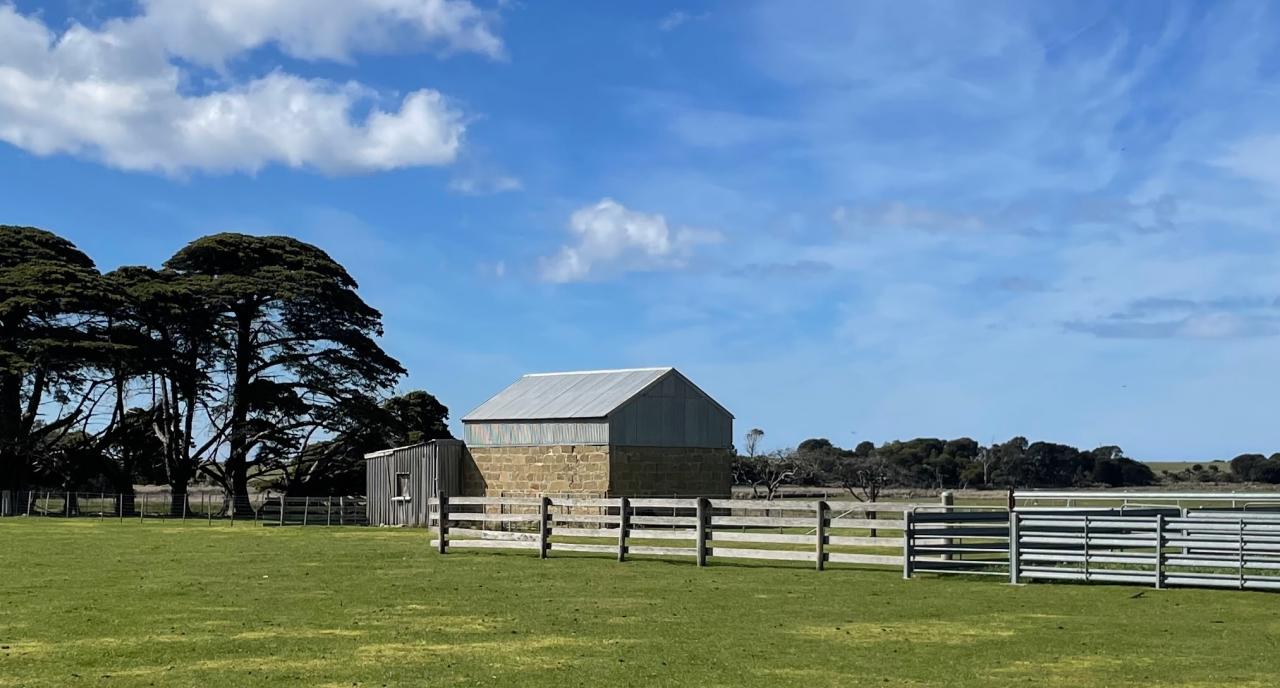
The property is split by the Tasman Highway - the coastal side was the original farm where the old sandstone stables and homestead ruins remain, along with the recently upgraded shearing shed, stockyards and most of the livestock.
On the other side and stretching along both banks of the river the remaining land was leased by Tim’s grandparents from the Society of the Blind, Deaf and Dumb in the 50s and 60s with an option to purchase, which they eventually did to expand their holding.
For three generations it’s been an idyllic setting to live and work - but not without some challenges in the isolated, coastal conditions.
Massive floods, years of drought and regular bushfires have all threatened The Douglas.
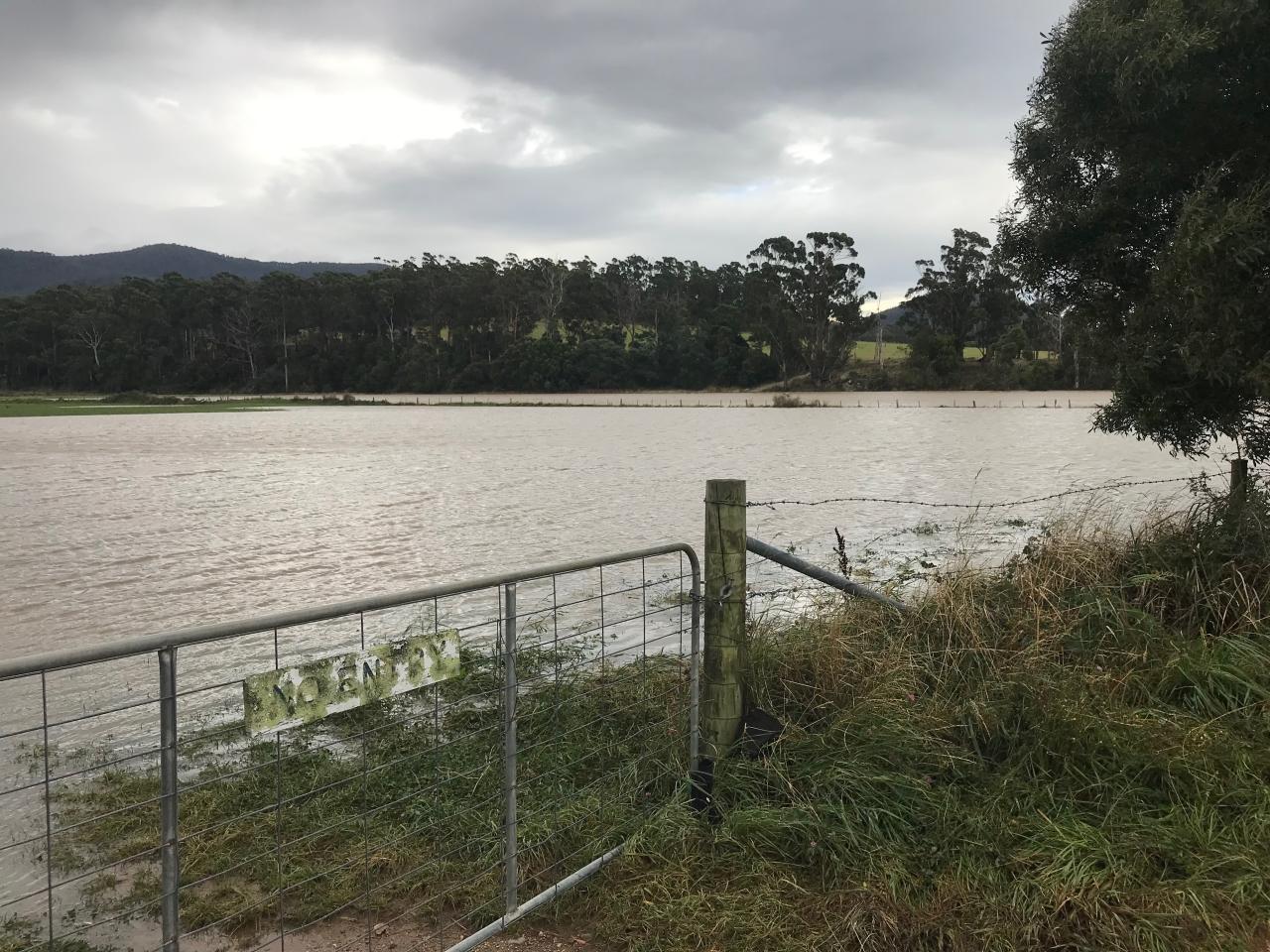
“Three consecutive years of flooding led to us giving up on growing spuds on the river flats,” Tim recalled.
“We also have photos from the floods back in 1974 where the water filled up the flats, washed away the highway and touched the bottom of the highway bridge which is hard to imagine when you see how many metres high it is above the river.
“It’s beautiful chocolate loam down in those flats where you could grow anything, but there is always a risk the river will flood.”
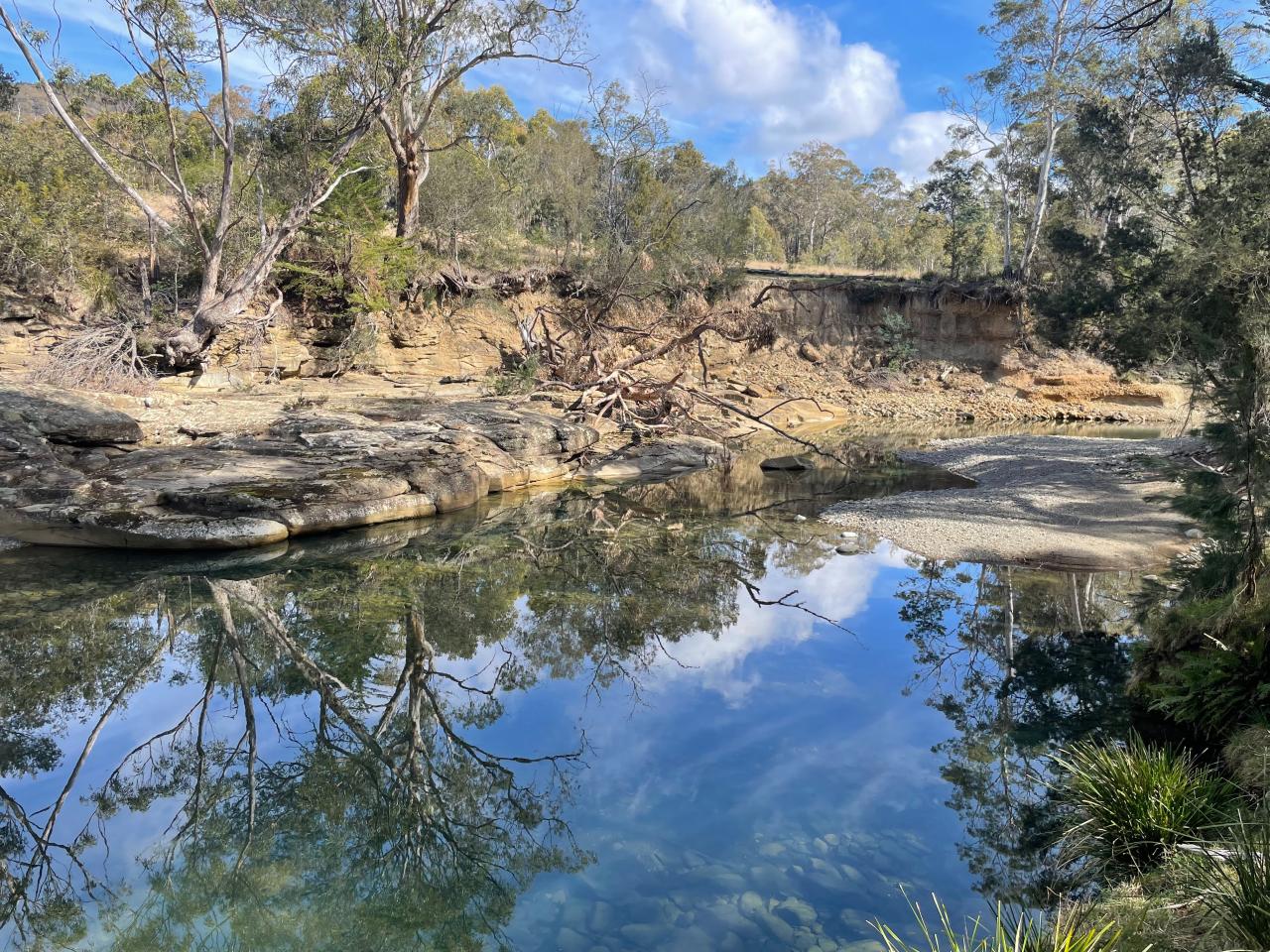
The Madsons are conscious of looking after the river and have been involved with removing domestic weeds and willows over the years to keep it clean and clear.
However Tim is concerned that a build-up of silt and trees that have washed downstream and formed an island in the middle of the river could cause a major issue during the next big rain event.
“I think there’s a good chance a new channel could form and the water would be redirected across our paddocks,” he said.
“The damage it could do is enormous, not just to our operation but to the public road and fences.
“Unfortunately no-one will let us clean it up with a machine but leaving it could be far more damaging.
“We’d also like to clear more land for pasture to help keep the farm viable - but council and state regulations won’t allow that either.
“It’s bush that’s been logged in the past, and we really can’t get in and fix up fencelines without removing some of the regrowth.
“We feel for all of the farmers who have been fighting for the right to improve their properties and do work that benefits everyone - we know how over-regulated things are now.”
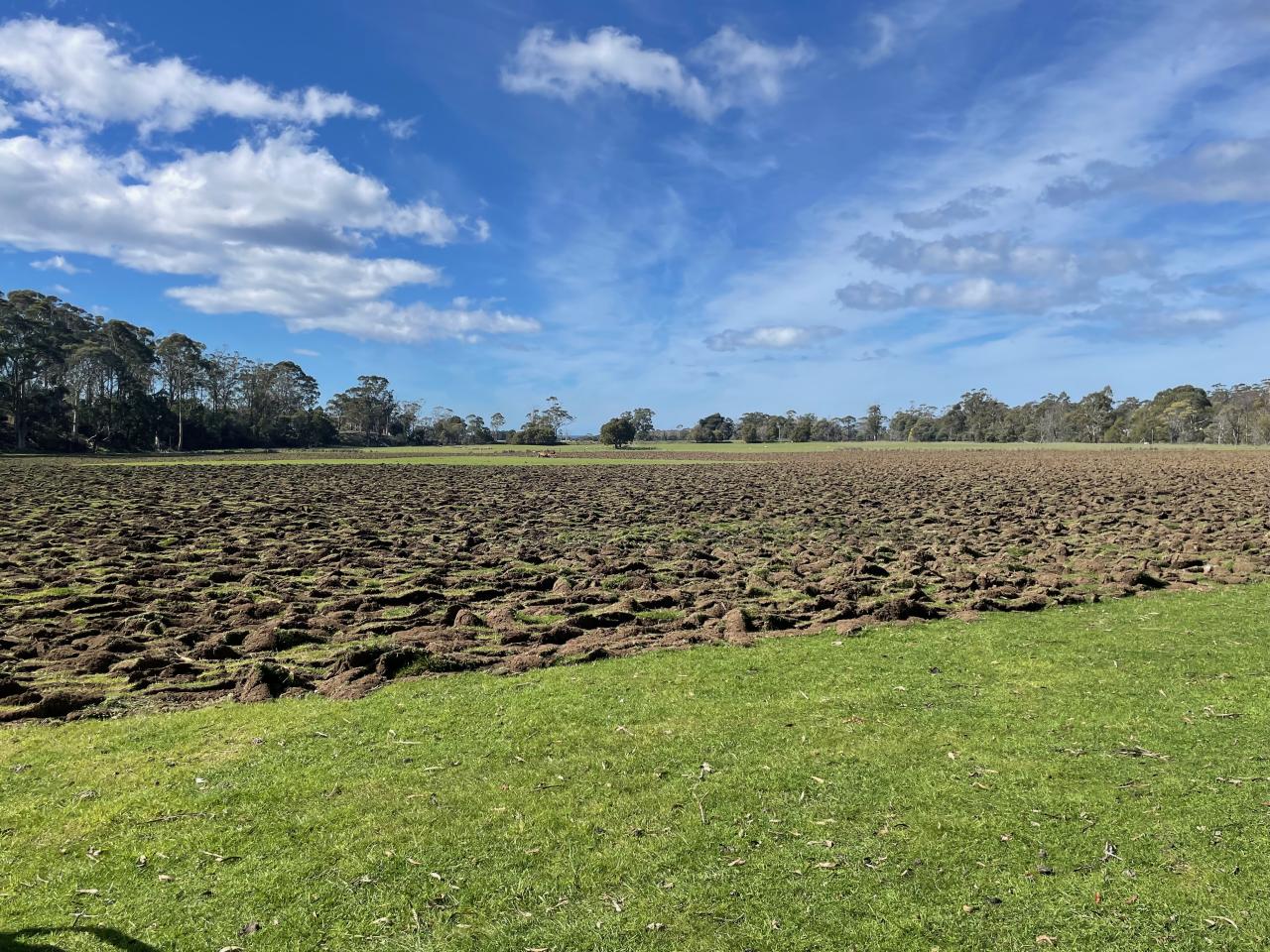
Tim recently ploughed up the flats for the first time in almost 20 years and will sow barley for feed because recent years of relatively dry weather has led to short feed supplies and the decision to de-stock while cattle prices are good.
It means the 70-year-old header will soon be dragged out of the shed and hooked up to the tractor.
“It was going when I parked it there so I’m hoping that’s still the case,” Tim laughed.
Tim’s plan is to build the Angus beef cattle herd of 34 back up, changing the bull to improve the bloodline with a goal of breeding better temperament in his animals.
He said hand feeding every second day for years has done little to make them as quiet as he’d like.
The flock of 1600 Merinos have been shorn and improved wool prices are also welcome.
The Douglas achieved an average bale price of $3859 from wool rated at 14.5 to 16.6 micron.
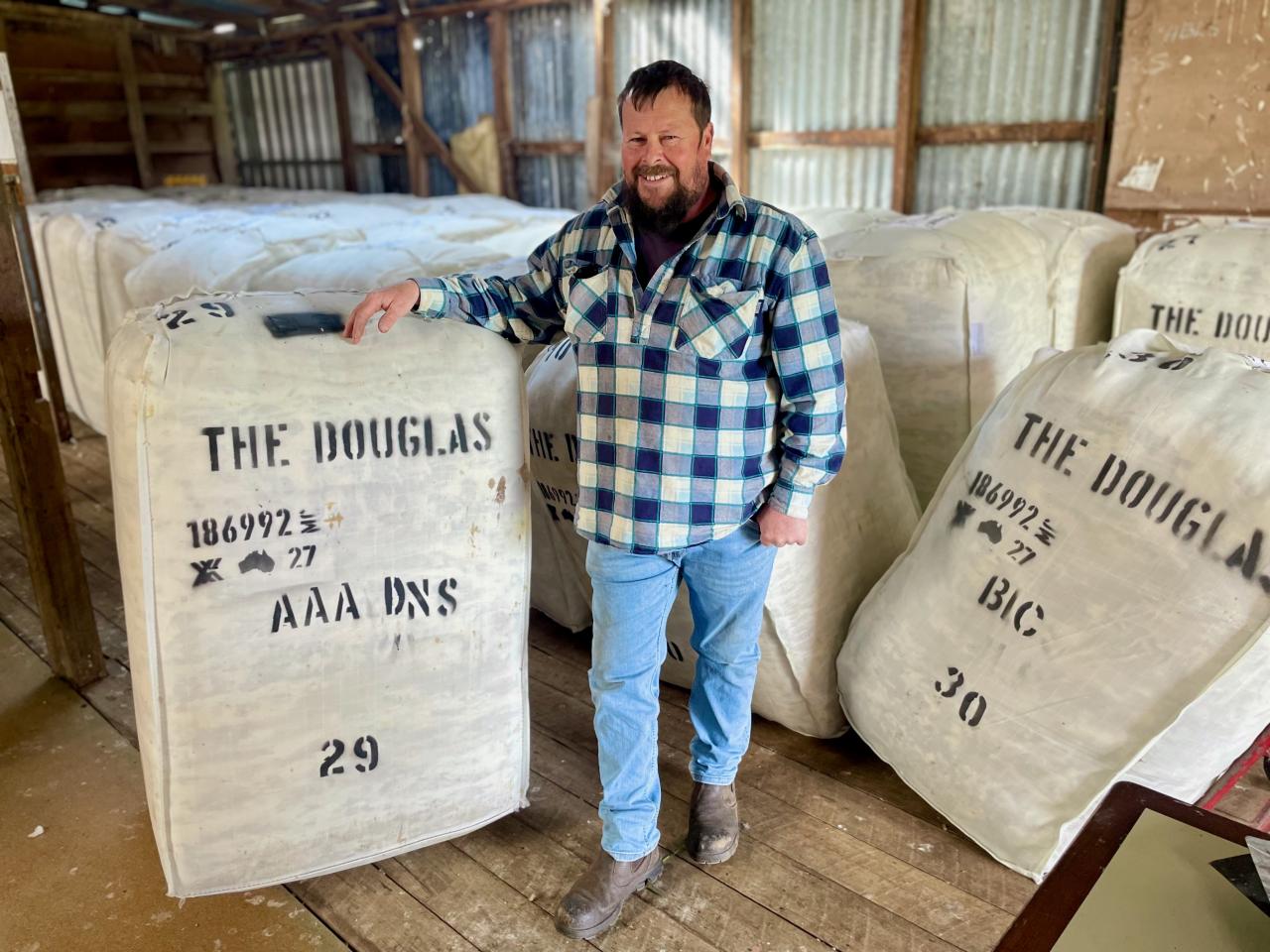
“I’ll be buying some rams from nearby Kelvedon Estate and that should further improve the wool - we hope to bring the micron down over time,” Tim said.
Being able to sell the wool is remarkable given that Tim has had to work hard just to keep his sheep alive.
Rams that were purchased from interstate a few years ago turned out to be infected with the blood-sucking Barber’s Pole Worm which infiltrated the flock.
“It was nasty - they would swell up under the jaw and die - until testing revealed the disease and we were able to drench accordingly I lost a lot of stock,” Tim said.
“It’s taken several years to get on top of it with drenching and resting paddocks - not an easy thing to do when feed is low.”
Tim is bracing for more dry weather, with recent rainfall barely wetting the surface, followed by drying winds.
He’s hoping for some easterly weather that will bring decent rain.
“Farming on the East Coast is not like farming inland - on top of the extreme weather conditions there’s the issue of freight costs, whether you’re taking stock or wool to market or buying feed and supplies - everything is a bit trickier to manage and more expensive,” he said.
“We always carry plenty of spare parts for machinery because a breakdown is not going to be fixed quickly or easily if you’re waiting on a delivery.”
The Douglas Campground has grown to become a valuable diversification on the farm.
It all started out when a friend of Tim’s grandfather asked to camp on the beachfront.
Word spread and more friends starting turning up each summer and over time it was developed into a certified camping area with a fee of $30 per night.
The campground’s popularity means there is no formal advertising required and about 200 people are on site in the peak season.
“It’s just part of the farm business now,” Tim said.
“People can come here and experience the beautiful river and beaches and in the background cattle are grazing.
“Whales pass by during migration, the fishing is great and having the river for safe swimming and kayaking is a big drawcard for families.”
Keeping trees trimmed and safe, roads maintained and the grounds well mowed are jobs that get added to general farmwork and the effort is rewarded as extra income.
“For decades we’ve been proud to be able to share this special part of the coast with others and we hope to be doing that for a long time to come,” Tim said.



Add new comment