
Clean Energy Finance Corporation defends Rushy Lagoon investment
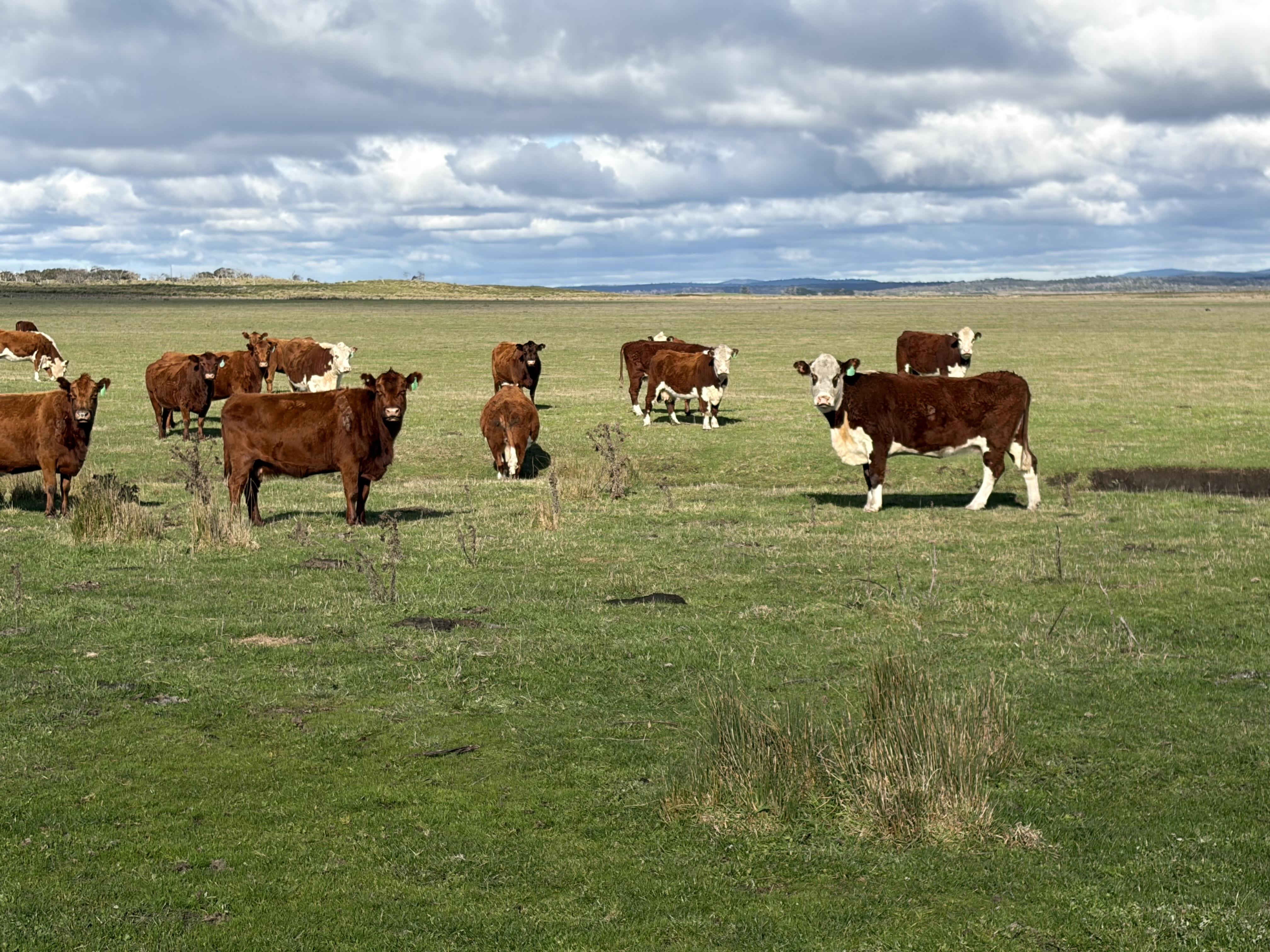
Taxpayer-backed investment in Rushy Lagoon has been defended by Clean Energy Finance Corporation CEO Paul McCartney during Senate Estimates.
Mr McCartney told the estimates committee that the CEFC conducted a detailed analysis before it invested in Rushy Lagoon.
The Tasmania Natural Asset Trust, a UK-managed investment vehicle backed by Gresham House, bought the North-East farm for $142 million and plans to convert large parts into a pine plantation for carbon sequestration and forestry.
The CEFC provided TNAT with $69 million in equity investment to purchase the farm.
The federal government also gave TNAT an $8.8 million grant through the Plantation Establishment Program.
The sale of the dairy and beef farm has drawn significant public backlash, led by TasFarmers and the state government.
“We looked at the project itself and what was involved in it, and satisfied ourselves it is a viable project,” Mr McCartney said.
Victorian Liberal senator Sarah Henderson told Mr McCartney during estimates that the sale of Rushy Lagoon was “a very controversial project, which has caused enormous grief”.
“Your own investment paper says the social risk associated with converting agricultural land to plantation forestry was assessed as low,” Senator Henderson said.
“Who made that assessment? This has been horrendous for the people of Tasmania and this is precious farmland that has been lost.”
Mr McCartney said a Tasmanian government assessment of Rushy Lagoon found the land was degraded.
The Tasmanian Department of Natural Resources and Environment’s Land Capability Classification System rated Rushy Lagoon as class five and six.
Class one is considered the best, while class seven is the poorest.
Mr McCartney told estimates that the three dairies at Rushy Lagoon, one of which had ceased operations, were not viable.
He said the vendor would not separate the dairies from the rest of Rushy Lagoon.
“The dairies were so dilapidated that the capital expenditure costs to make them functional wouldn’t provide sufficient returns for an investor.
“Our partners tried to sell the dairying operations so they could continue but there have been no bidders.”
TasFarmers CEO Nathan Calman disagreed with Mr McCartney’s assessment.
“If the dairies were unviable, why were they still operating right up until the sale of the property? And why are there multiple other dairies in that region that are still operating?
“Why was the equipment saleable if the enterprise was so run down?
“Did they get written advice from an expert on the dairy’s productivity and operability?”
Mr Calman said TasFarmers wrote directly to the CEFC in November 2025 asking for information about Rushy Lagoon but did not receive a response.
“That raises a serious question about how it assessed the consequences for agriculture and the local community without seeking our input.”
During Senate Estimates, the CEFC stated that farming would continue on the property, which Mr Calman said recognised Rushy Lagoon’s agricultural value.
“Taxpayers have $69 million committed to this investment – they deserve a clear explanation of the expected return, the timeframe and the risks they are carrying.
“Even in the Senate hearing this week, they were still hiding behind commercial-in-confidence when asked to explain what level of return the Australian taxpayer will get.
“Where particular information is commercially sensitive, it should explain the harm disclosure would cause and provide the fullest meaningful account it can.”
Section 58(1) of the Clean Energy Finance Corporation Act 2012 states that “the Corporation’s investment function is to invest, directly and indirectly, in clean energy technologies”.
Mr Calman said that, with its investment in Rushy Lagoon, the CEFC had contravened this.
“Pine trees are not technology, and you can’t eat them.”


Add new comment