
Dairy industry outrage over proposed Australia and European Union Free Trade Agreement
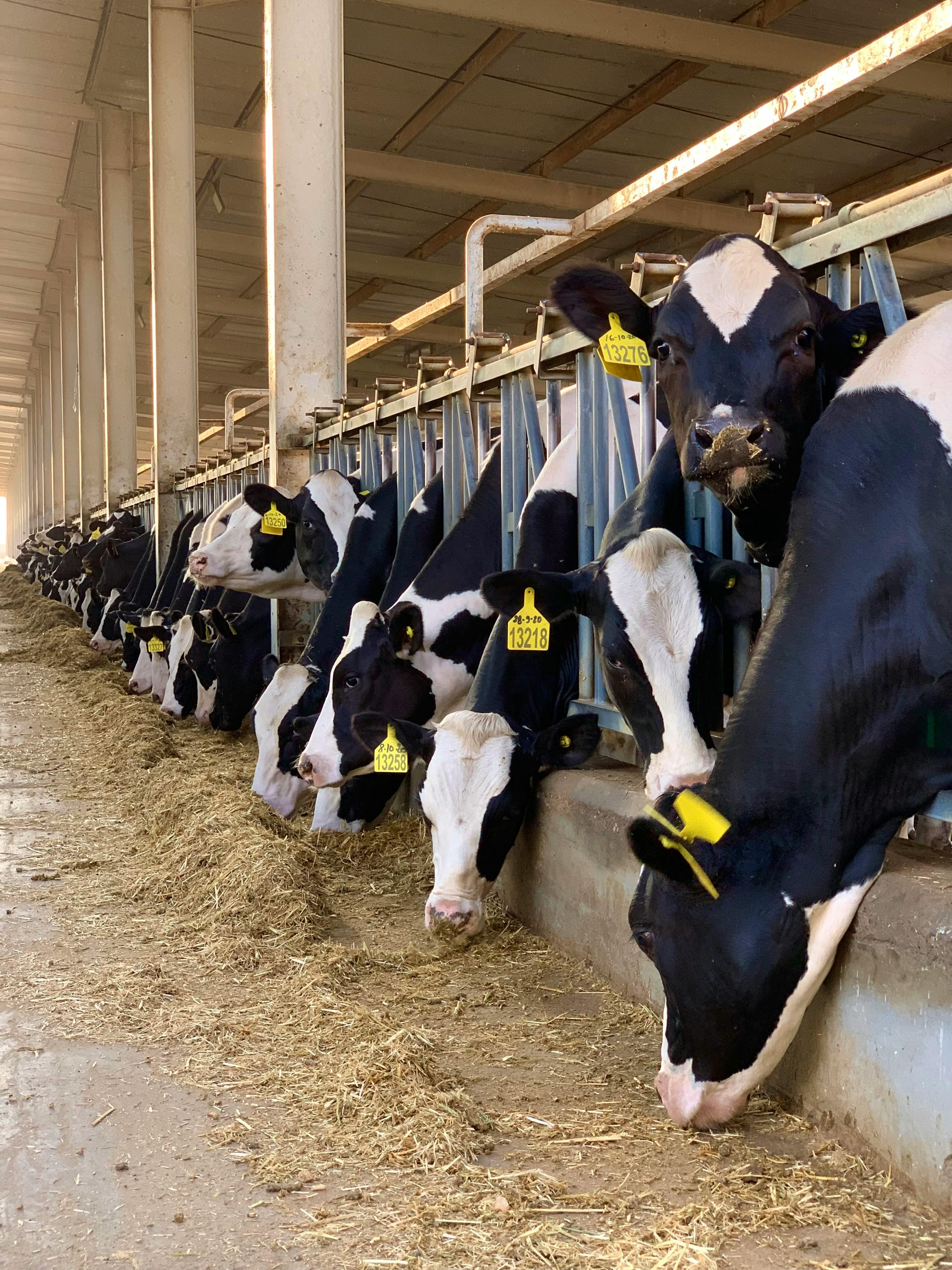
Australia Dairy Farmers (ADF) has delivered a blunt message to Trade Minister Don Farrell on the Australia–European Union Free Trade Agreement: if the government cannot deliver a fair deal for dairy, carve us out.
Speaking directly to Minister Farrell at a National Farmers’ Federation Members’ Council meeting in Canberra, ADF president Ben Bennett made the position of Australia’s dairy farmers clear.
“We’ve always said no deal is better than a bad deal – so cut us out,” he said.
Mr Bennett said ADF was calling for a dairy-specific exemption from new tariff concessions for European dairy imports and restrictions on established Australian dairy product names.
“The EU has protected its sensitive farm industries. Australia must do the same for dairy as a sensitive domestic industry,” he said.
“The Australian government has agreed to open the borders to even more cheap European dairy imports, while our products still face restrictions going the other way.
“A trade deal that puts our ability to produce and process our own dairy products at risk is not in the national interest.”
TasFarmers Dairy Council chair Geoff Cox said a free trade deal between the EU and Australia would hurt the industry.
“The free trade agreement is anything but free from a dairy perspective,” Mr Cox said.
He said most of the Tasmanian dairy product exports go to Japan, China and Korea, as well as the Middle East.
“However, the current proposal for a European free trade agreement is not in the best interests of the Tasmanian dairy industry.”
In 2025-26, Australia imported $858 million worth of European dairy products – 71,912 tonnes – while exporting just $28 million, or 349 tonnes, in return.
That is an $830 million dairy trade deficit before the agreement even comes into force.
Under the deal, Australia will phase out its remaining $1.22 per kilogram tariff on European cheese over three years. Yet Australian butter, skim milk powder and high-protein whey exports will remain restricted by small duty-free quotas and substantial tariffs.
The agreement also introduces protections for 56 European dairy geographical indications, restricting Australian cheesemakers’ use of certain established cheese names.
“Europe gets greater access to our market and protections for its product names. Australian dairy gets limited access in return, along with new restrictions on our own cheesemakers,” Mr Bennett said.
European farmers also benefit from the EU’s Common Agricultural Policy, backed by €386.6 billion in agricultural funding over 2021–27.
“Australian farmers compete without anything like that level of government support, yet we’re expected to compete with subsidised imports in our own backyard,” Mr Bennett said.
“That’s not a level playing field. It’s a one-way street.”


Add new comment