
Diesel prices forcing farmers to rethink finances
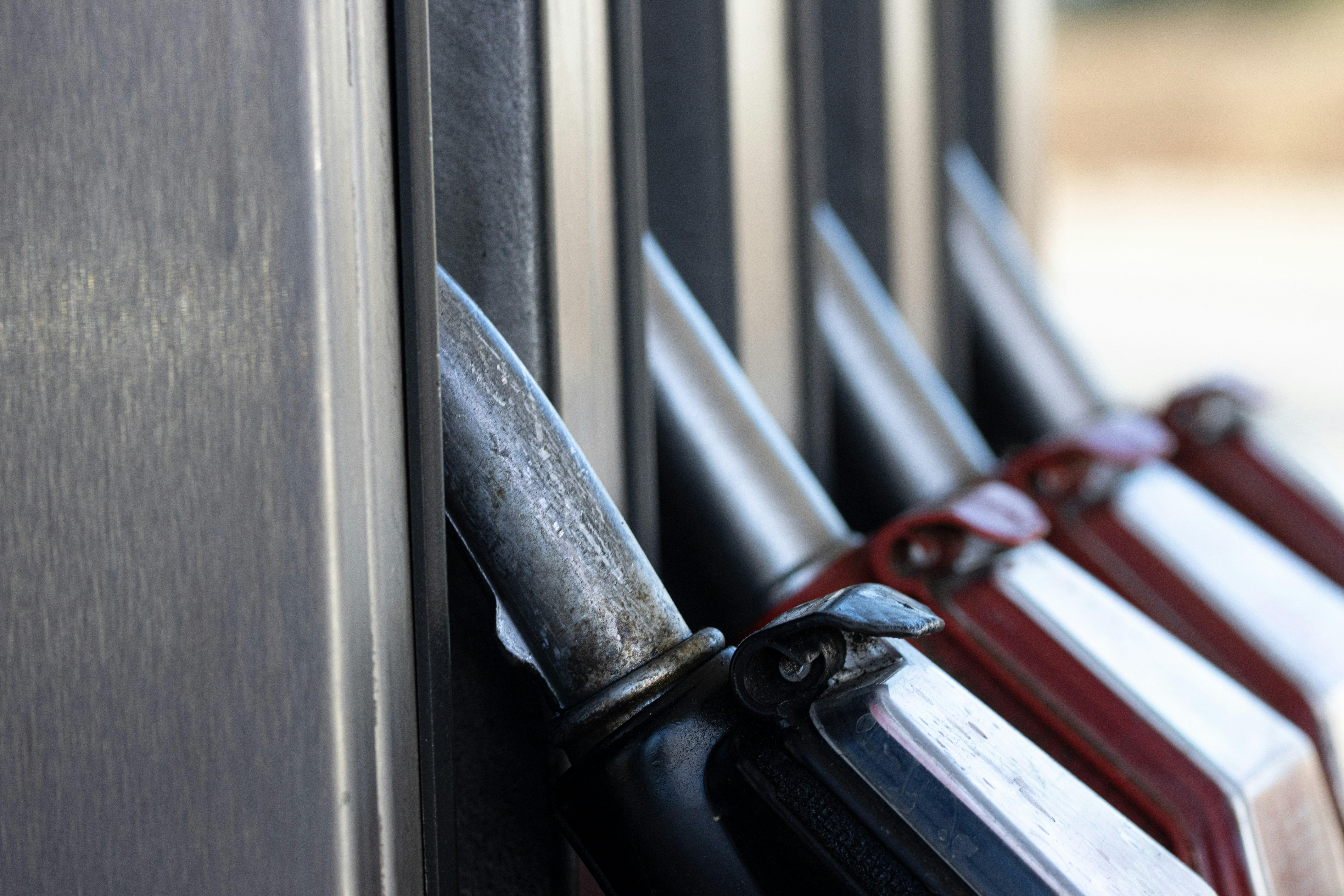
Some farmers could turn from crop to livestock production and fodder supplies could drop due to another surge in diesel prices in Tasmania.
Not only is the price of diesel, averaging $2.90 per litre around the state and as high as $3.20 per litre on King Island, making the running of tractors, harvesters, irrigation pumps and farm vehicles exorbitant, the cost to transport livestock, feed and produce has also spiked.
There are fears that the cost of transporting fodder around the state, $1 per kilometre more than last season, will become unviable so growers could choose not to conserve feed to sell.
Contractors, freight operators and suppliers of agricultural plastics such as silage wrap, piping and milk bottles made from petroleum-based raw materials, have all been forced to pass on some or all of the price rise to farmers.
The cost of naphtha – a key oil-derived liquid used in making resins that are used widely in plastic manufacturing, rubber and building products like PVC pipes – has increased by about 50 per cent.
The price rise is directly tied to geopolitical friction in the Middle East caused by the war US President Donald Trump started and clashes affecting the Strait of Hormuz, disrupting trade supplies of key petroleum-based products, synthetic fertilisers and fuel.
With trade disruptions in the Middle East and the Black Sea showing no meaningful signs of easing, the pain of high farm inputs looks set to continue through the busiest time of the year.
The only bright light is that Tasmania’s fuel supply appears to be secure and stable, with updates from the Director of Energy Planning saying all five of the state’s main fuel terminals continue to receive regular deliveries through national supply chains, and roughly 99 per cent of local retail service stations remain fully stocked.
Shorter transport distances compared to interstate is another saving grace.
Agricultural Contractors Tasmania Inc president Peter Campbell said that high fuel prices are hurting everyone.
“If contractors don’t pass on the cost of expensive fuel then they don’t make any money - the farmers are copping it from everywhere with high input costs while processors and buyers are talking about price cuts - then everything flows through the local economy,” Mr Campbell said.
“It’s nothing for our machinery to use 50-60 litres of diesel per hour, and last year that cost $1.50 per litre compared to $2.90 per litre on average now.
“The average round baler three years ago cost $100,000 to buy now they’re $160,000.
“Silage plastic has gone up by more than 10 per cent depending on what quality you buy.
“It’s going to be an expensive planting and harvesting season this year.”
Mr Campbell said he wouldn’t be surprised to see more farmers turn to lucrative livestock production and cut back on cropping.
It’s a concept that Thirlstane farmer and TasFarmers Vegetable Council chair Nathan Richardson also considers likely.
He said it used to cost $18,000 to fill his on-farm storage tank - now it could cost more than $30,000.
“That’s money that comes straight out of our account and what’s disappointing is that in all the talk of cost of living pressures, farmers are not being recognised,” he said.
“All these extra costs are passed down to us and we can’t pass anything back up the chain, meanwhile there are plenty of big companies posting huge profits in this country so there must be fat in the system.”
Mr Richardson is critical of the federal government which he said is collecting double the amount of GST from fuel but is not helping farmers.
“I think the lack of action at the federal level is glaring - they couldn’t care less,” he said.
“We’ve got everything we need in this country, we’re the envy of the world and we produce nothing in the way of energy or fertiliser so that leaves us exposed.
“Agriculturally it’s going to be a really tough season - everywhere we turn input prices are up.
“The fodder market can be lucrative but that’s unlikely this season - I hope that operators have a good conversation with their clients because this could get really bad really quickly in terms of profitability.”




Add new comment